


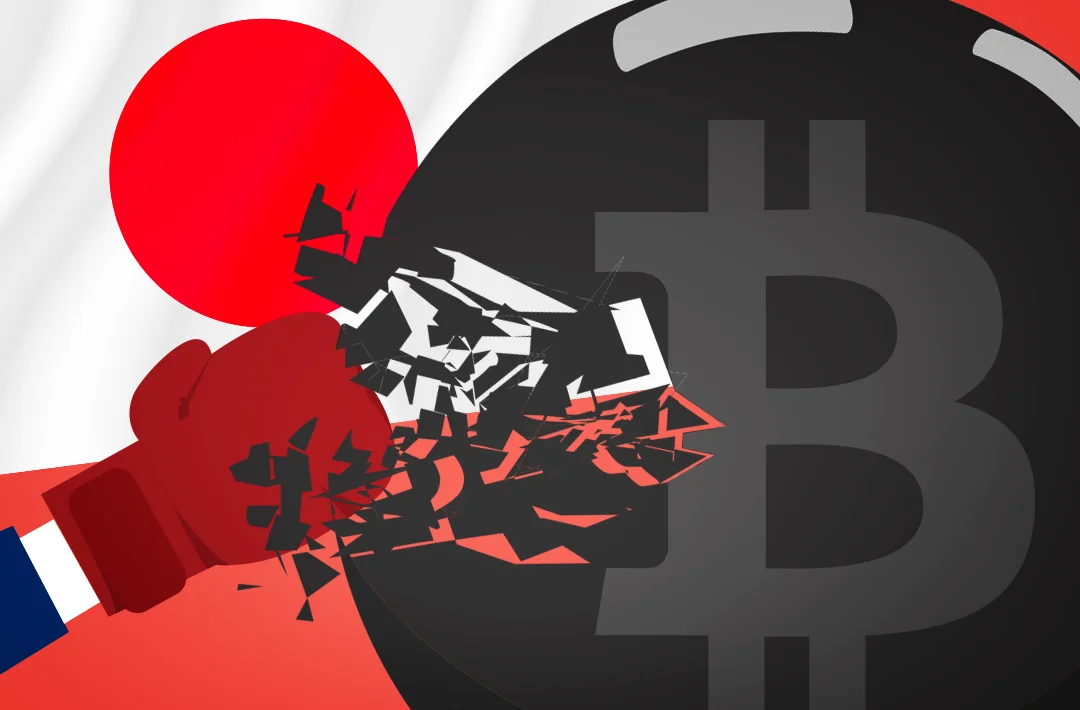
Япония поддержала единый налог 20% на прибыль от криптовалют
Реформа должна стимулировать торговлю и повысить конкурентоспособность страны на азиатских рынках
02.12.2025 - 12:25
465
3 мин
0
Главное:
- Власти переходят от прогрессивной ставки до 55% к единому налогу 20% на прибыль от криптовалют, разделяя его между нацбюджетом и регионами.
- Реформа приравняет цифровые активы к акциям и фондам, что уменьшит отток трейдеров за рубеж и усилит ликвидность рынка.
- FSA готовит законопроект к 2026 году.
Правительство и правящая коалиция Японии поддержали предложение Агентства по финансовым услугам (FSA) о введении фиксированного налога 20% на прибыль от цифровых активов. Сейчас прибыль облагается в рамках подоходного налога по прогрессивной ставке, которая для некоторых трейдеров может достигать 55%.
Такой уровень нагрузки негативно влиял на рынок: часть инвесторов уходила за рубеж, а внутренние объемы торговли снижались. Новый подход должен снять барьеры и сделать систему понятнее.
Новые правила
По данным Nikkei Asia, FSA намерено внести законопроект на парламентскую сессию 2026 года. Реформа устанавливает фиксированную ставку 20%, аналогичную налогу на акции и инвестиционные фонды. Доход распределится между национальными и региональными органами власти: 15% и 5% соответственно.
Отдельный налоговый режим выделит прибыль от криптовалют в собственную категорию. Это избавит инвесторов от смешивания доходов с заработной платой или бизнесом и позволит точнее прогнозировать налоговые обязательства.
Реформа также включает регуляторные изменения. Цифровые активы будут переклассифицированы как финансовые продукты и подпадут под действие Закона о финансовых инструментах и биржах. Биржи и кастодиальные сервисы столкнутся с более строгими требованиями к раскрытию данных, а использование конфиденциальной информации при торговле будет запрещено.
Дополнительные меры подтверждают намерение правительства комплексно обновить регулирование. В 2026 году FSA представит требования к биржам по созданию резервов для покрытия убытков клиентов после взломов. Это усилит защиту розничных инвесторов и приведет криптобиржи к стандартам традиционных брокеров.
Регулятор также рассматривает возможность разрешить банкам покупать и хранить криптовалюты. Если план одобрят, банковские группы смогут управлять лицензированными биржами, что укрепит стратегию Японии стать крупным региональным криптоцентром.

Полезный материал?
Происшествия
Разработчики предупредили о рисках для мостов и обратились к биржам за помощью.
22 июн. 2026 г.
Происшествия
Осужденный помогал переводить средства жертв инвестиционных афер и заработал на этом не менее $4 млн.
10 июн. 2026 г.
Происшествия
Компания связывает инцидент с компрометацией приватного ключа сервисного кошелька, а не со взломом смарт-контрактов.
22 мая 2026 г.
Происшествия
После инцидента проект временно остановил торговые операции и работу узлов.
15 мая 2026 г.
Происшествия
Пользователь безуспешно подбирал пароль несколько недель, пока ИИ не помог найти старую резервную копию кошелька
14 мая 2026 г.
Крипторегулирование
Власти вводят обязательную регистрацию для компаний, работающих с трансграничными криптопереводами
8 мая 2026 г.
Курсы криптовалют
-

Bitcoin
$84 611
BTC
+0.11%
-

Ethereum
$2 678.46
ETH
-0.66%
-

BNB Smart Chain
$768.64
BSC
+0.06%
-

Ripple
$1.42
XRP
+1.04%
-

TRON
$0.33477
TRX
+0.17%
-

Zcash
$1 319.35
ZEC
-0.02%
-

Dogecoin
$0.093287
DOGE
+0.1%
-

Cardano
$0.218269
ADA
+2.11%
-

Stellar XLM
$0.184461
XLM
+2.83%
-

Bitcoin Cash
$313.53
BCH
+3.15%