


Южная Корея готовит закон для изъятия криптоактивов из личных кошельков
Среди инициатив — совместное хранение конфискованных активов судами и следственными органами.
20.07.2026 - 10:55
817
4 мин
0
Главное:
- Южнокорейские чиновники предложили изменить законодательство, чтобы следователи могли эффективнее изымать криптовалюту из self-custody-кошельков во время уголовных расследований.
- Авторы инициативы предлагают хранить конфискованные активы в кошельках с совместным управлением суда и правоохранительных органов, а также закрепить специальные требования к судебным ордерам.
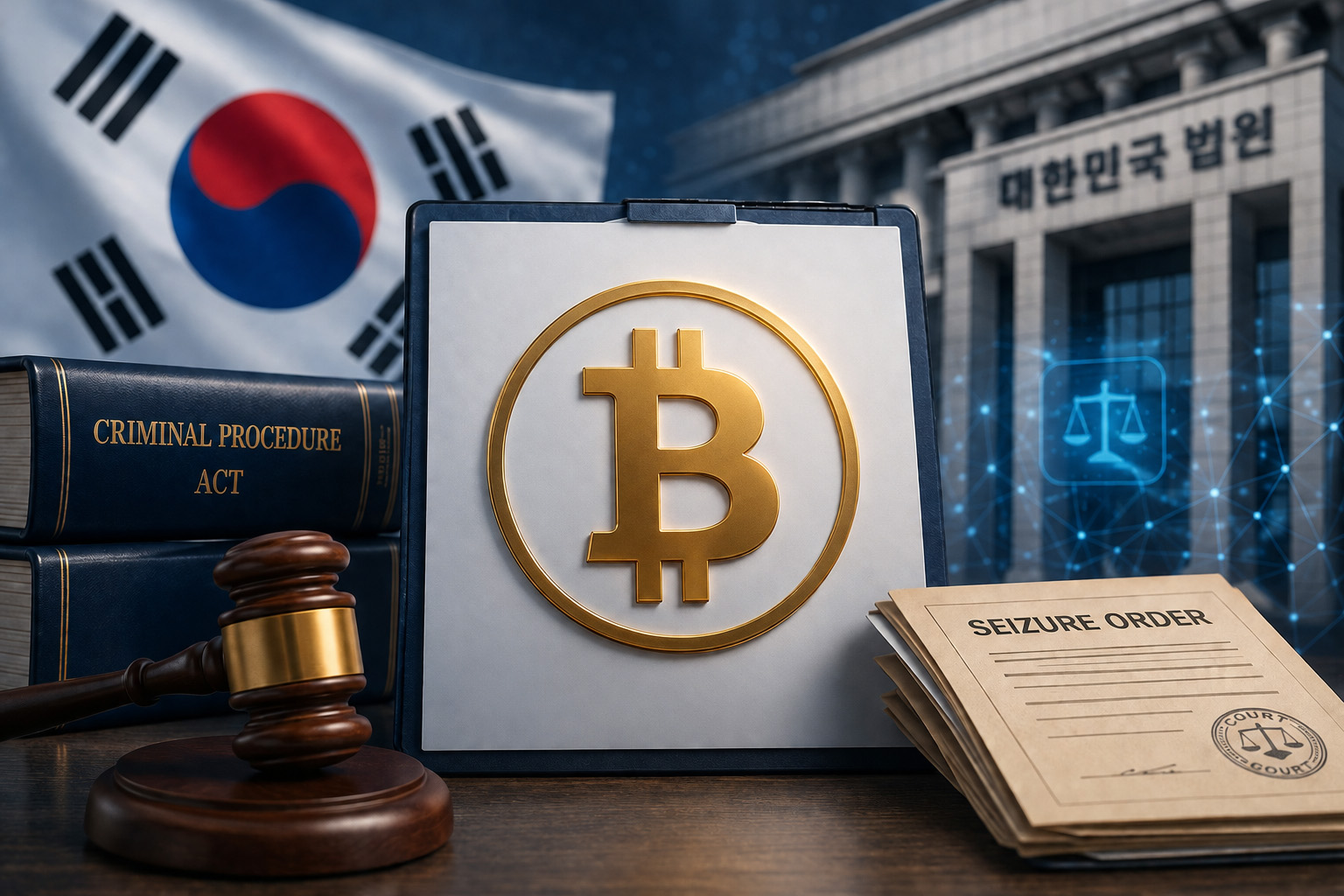
Сотрудники Национальной налоговой службы Южной Кореи предложили изменить законодательство, чтобы упростить изъятие криптовалюты, которая хранится в некастодиальных кошельках. Соответствующая статья опубликована в июньском выпуске научного журнала Criminal Policy Research Корейского института криминологии и юстиции.
Авторы документа отмечают, что действующие нормы подходят для криптовалюты, хранящейся на биржах, но практически не работают в случае с self-custody-кошельками, где пользователь самостоятельно контролирует приватные ключи.
Поводом для обсуждения стало решение Верховного суда Южной Кореи, принятое в 2025 году. Тогда суд признал законным изъятие биткоинов, находившихся на счете криптобиржи. Однако вопрос о том, как действовать с активами в личных кошельках, так и остался открытым.
По мнению авторов, простого изъятия приватного ключа недостаточно. Владелец может сохранить его копию и перевести средства до завершения расследования. Кроме того, действующий Уголовно-процессуальный кодекс страны изначально разрабатывался для физического имущества и не учитывает особенности блокчейна.
Криптовалюту предлагают хранить под контролем суда
Чтобы устранить этот пробел, исследователи предлагают создать отдельную процедуру для работы с self-custody-активами.
В частности, судебное постановление должно содержать подробную информацию о криптовалюте: ее тип, объем, адрес кошелька, адрес для перевода, способ передачи активов и порядок их хранения.
Еще одно предложение касается хранения конфискованных средств. Вместо того чтобы передавать криптовалюту под полный контроль одного ведомства, авторы рекомендуют использовать кошельки с совместным управлением суда и следственных органов. По их мнению, это снизит риск хищения или злоупотреблений. Если перевод в такой кошелек невозможен сразу, активы можно временно отправлять на специальный адрес, определенный судом.
Инициатива появилась спустя несколько месяцев после инцидента в самой Национальной налоговой службе. В феврале ведомство случайно опубликовало seed-фразу от служебного криптокошелька, после чего неизвестные вывели цифровые активы примерно на $4,8 млн. После этого власти начали пересматривать подходы к хранению, изъятию и реализации конфискованной криптовалюты, включая возможность привлечения профессиональных кастодиальных сервисов.

Полезный материал?
Происшествия
Разработчики предупредили о рисках для мостов и обратились к биржам за помощью.
22 июн. 2026 г.
Происшествия
Осужденный помогал переводить средства жертв инвестиционных афер и заработал на этом не менее $4 млн.
10 июн. 2026 г.
Происшествия
Компания связывает инцидент с компрометацией приватного ключа сервисного кошелька, а не со взломом смарт-контрактов.
22 мая 2026 г.
Происшествия
После инцидента проект временно остановил торговые операции и работу узлов.
15 мая 2026 г.
Происшествия
Пользователь безуспешно подбирал пароль несколько недель, пока ИИ не помог найти старую резервную копию кошелька
14 мая 2026 г.
Крипторегулирование
Власти вводят обязательную регистрацию для компаний, работающих с трансграничными криптопереводами
8 мая 2026 г.
Курсы криптовалют
-

Bitcoin
$84 375
BTC
+0.36%
-

Ethereum
$2 694.51
ETH
+0.06%
-

BNB Smart Chain
$773.01
BSC
-0.51%
-

Ripple
$1.42
XRP
+1.04%
-

TRON
$0.334256
TRX
-1.15%
-

Zcash
$1 653.77
ZEC
+6.33%
-

Dogecoin
$0.096649
DOGE
-2.34%
-

Cardano
$0.218269
ADA
+2.11%
-

Bitcoin Cash
$334.86
BCH
-2.42%
-

Stellar XLM
$0.184461
XLM
+2.83%