

Coinbase подала иски против штатов из-за рынков прогнозов
Компания заявляет, что вмешательство штатов тормозит развитие инноваций.
19.12.2025 - 11:35
604
4 мин
0
Главное:
- Coinbase подала иски против Мичигана, Иллинойса и Коннектикута, оспаривая право штатов регулировать рынки прогнозов.
- Компания настаивает, что такие площадки находятся в исключительной юрисдикции CFTC и не являются азартными играми.
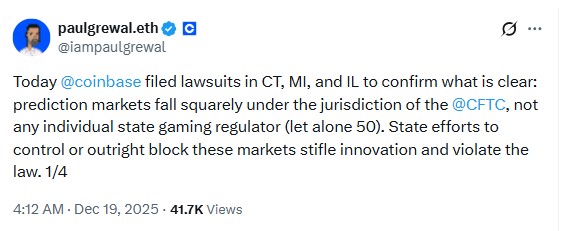
Coinbase обострила спор о регулировании рынков прогнозов, подав иски против властей Мичигана, Иллинойса и Коннектикута. Компания требует признать, что такие рынки подпадают под исключительную юрисдикцию федеральной Комиссии по торговле товарными фьючерсами (CFTC), а не регулируются на уровне штатов как азартные игры.
В поданных исках Coinbase настаивает: Конгресс уже определил CFTC единственным надзорным органом для рынков прогнозов, поэтому попытки штатов ограничить или запретить их работу противоречат федеральному законодательству. Главный юрисконсульт компании Пол Гревал заявил, что вмешательство местных регуляторов тормозит инновации и выходит за рамки их полномочий.
Спор о грани между прогнозами и азартными играми
Coinbase подчеркивает, что рынки прогнозов не являются букмекерскими конторами. По словам Гревала, это нейтральные торговые площадки, которые сводят покупателей и продавцов и не заинтересованы в исходе событий. Он также отметил, что Конгресс исключил из юрисдикции CFTC лишь ограниченный перечень товаров, а значит, спортивные события формально подпадают под контроль комиссии.
Особенно жесткую позицию компания заняла в Иллинойсе, заявив, что действия штата могут причинить ей «немедленный и непоправимый» ущерб. Иск был подан вскоре после объявления о партнерстве Coinbase с платформой Kalshi, регулируемой CFTC. С января 2026 года компания планирует предложить клиентам по всей стране торговлю контрактами на основе событий.
Интерес к рынкам прогнозов заметно вырос за последний год: такие площадки, как Kalshi и Polymarket, привлекли миллиарды долларов оборота.
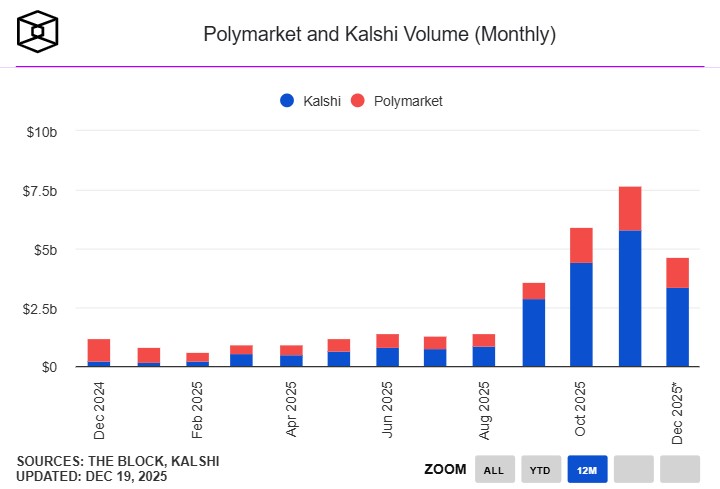
Однако этот рост вызвал сопротивление на уровне штатов, которые считают контракты на события — особенно связанные со спортом — формой нелицензированных ставок. Ранее Коннектикут уже направил предписания о прекращении деятельности Kalshi, Robinhood и Crypto.com, после чего Kalshi добилась временной судебной защиты на федеральном уровне.

Полезный материал?
Происшествия
За 104 минуты злоумышленник опустошил 1 404 адреса, после чего валидаторы остановили сеть и заморозили почти всю добычу.
19 окт. 2026 г.
Происшествия
Разработчики предупредили о рисках для мостов и обратились к биржам за помощью.
22 июн. 2026 г.
Происшествия
Осужденный помогал переводить средства жертв инвестиционных афер и заработал на этом не менее $4 млн.
10 июн. 2026 г.
Происшествия
Компания связывает инцидент с компрометацией приватного ключа сервисного кошелька, а не со взломом смарт-контрактов.
22 мая 2026 г.
Происшествия
После инцидента проект временно остановил торговые операции и работу узлов.
15 мая 2026 г.
Происшествия
Пользователь безуспешно подбирал пароль несколько недель, пока ИИ не помог найти старую резервную копию кошелька
14 мая 2026 г.
Курсы криптовалют
-

Bitcoin
$81 513
BTC
+0.47%
-

Ethereum
$2 404.52
ETH
+1.09%
-

BNB Smart Chain
$743.51
BSC
+1.97%
-

Ripple
$1.42
XRP
+1.04%
-

TRON
$0.329491
TRX
+0.38%
-

Zcash
$1 249.41
ZEC
+3.79%
-

Dogecoin
$0.079701
DOGE
+1.84%
-

Cardano
$0.218269
ADA
+2.11%
-

Stellar XLM
$0.184461
XLM
+2.83%
-

Bitcoin Cash
$285.59
BCH
+4.5%