

В Гонконге вступил в силу режим лицензирования стейблкоинов
Эмитенты активов с привязкой к фиату должны получать лицензию ЦБ
01.08.2025 - 13:50
772
7 мин
0
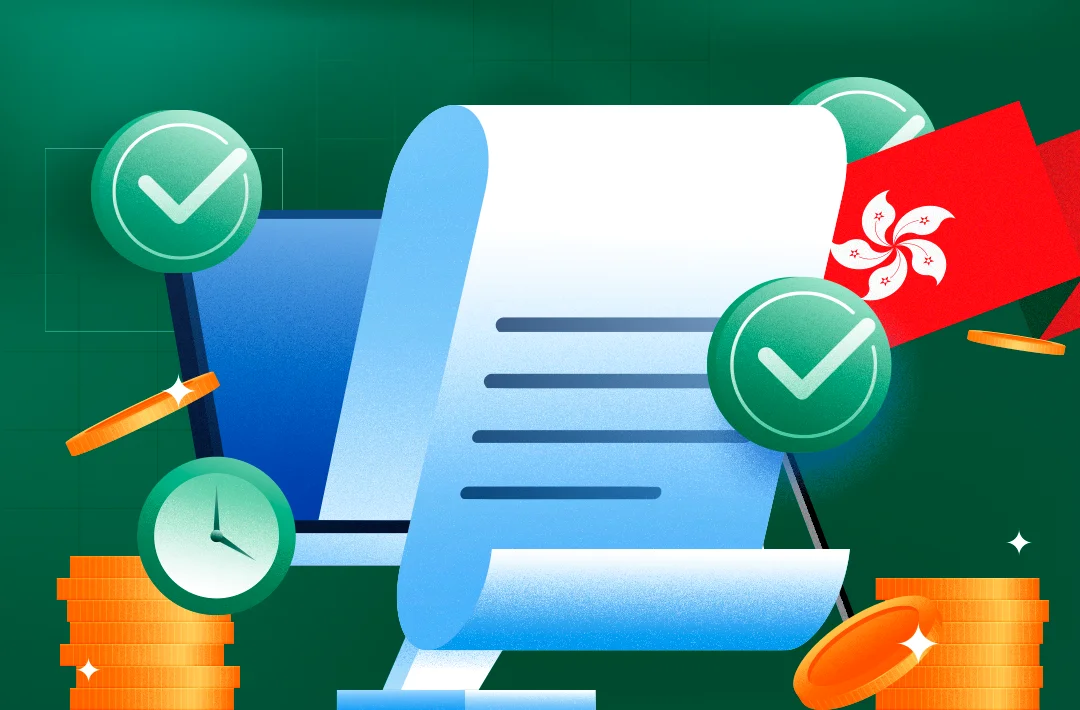
Что произошло? Гонконг официально ввел режим лицензирования стейблкоинов с привязкой к фиатным валютам в рамках усилий по превращению города в глобальный криптохаб. Согласно вступившему в силу 1 августа закону, компании, желающие выпускать или продавать стейблкоины розничным инвесторам, должны получить лицензию Валютного управления Гонконга (HKMA), исполняющего функции центробанка.
Что еще известно? Требования к лицензированию охватывают целый ряд областей, включая управление резервными активами, погашение (обратный выкуп активов) по номинальной стоимости, сегрегацию клиентских средств от средств эмитентов, AML-протоколы, раскрытие информации и проверку профессиональной пригодности операторов.
Запуск режима стейблкоинов знаменует собой очередной этап в масштабной реформе криптовалютной политики Гонконга. С 2024 года город внедрил систему лицензирования криптобирж и дружественные правила в отношении виртуальных активов для поддержания статуса финансового шлюза между Китаем и миром.

Регулятор Шанхая начал изучать возможность использования стейблкоинов с привязкой к юаню
Криптовалюты на материковом Китае запрещены с 2021 года
Этот запуск произошел вскоре после того, как Дональд Трамп подписал GENIUS — первый федеральный закон США о стейблкоинах. В этих режимах регулирования есть значительные отличия. Так, в Гонконге HKMA является единственным регулятором, тогда как в США регулирование более сложное и многоуровневое: федеральный уровень и штаты.
Кроме того, закон Гонконга учитывает стейблкоины с привязкой не только к доллару, но и к другим фиатным валютам, что потенциально делает специальный административный район КНР более гибким местом для эмитентов, нацеленных на глобальное внедрение.
Несмотря на относительно небольшой внутренний рынок, интерес к стейблкоинам в Гонконге растет, их все чаще рассматривают не только как спекулятивные инструменты, но и как потенциальные платежные средства.
Однако рынок потребительских платежей в Гонконге уже насыщен: магазины поддерживают Visa, Mastercard, AliPay, WeChat Pay, Octopus и другие системы. Учитывая эту ситуацию, стейблкоины вряд ли в ближайшее время станут основной платежной системой как самостоятельный продукт, не интегрированный в существующие системы.
Вместе с тем у стейблкоинов большой потенциал в международном применении. Глобальная торговая роль Гонконга дает ему преимущество в области трансграничных переводов и платежей, особенно для компаний, испытывающих трудности с медленными банковскими операциями. В легализации стейблкоинов заинтересованы в том числе компании материкового Китая.
Хотя строгие правила Китая в отношении криптовалют не разрешают использование стейблкоинов, крупные компании электронной коммерции, такие как JD.com и AliPay, уже изучают возможности использования стейблкоинов в международном бизнесе.
Китайская платформа онлайн-торговли JD com выпустит собственный стейблкоин
Компания тестирует актив в регуляторной песочнице Гонконга с 2024 года
Правила Гонконга также благоприятствуют крупным эмитентам, поскольку по новому закону капитал компаний, выпускающих стейблкоины, должен составлять не менее 25 млн гонконгских долларов (3,2 млн долларов США).
Поскольку это может отпугнуть инновационные стартапы, отраслевые эксперты предложили ввести многоуровневые требования к капиталу. Так, например, при меньшем капитале должен разрешаться меньший объем эмиссии.
Кроме того, эксперты предложили упростить процедуру выдачи лицензий эмитентам, уже имеющим разрешения на работу в США, Евросоюзе или Сингапуре.
Со вступлением закона в силу HKMA ввело шестимесячный переходный период и временные правила. Среди прочего, они включают выдачу временных лицензий эмитентам, способным соблюдать нормативные требования.
При этом в случае, если эмитент не сможет адаптироваться под новый закон в течение трех месяцев, он будет обязан свернуть деятельность в течение четырех месяцев.
Эмитенты, которые, по мнению HKMA, не смогут соблюдать новые правила, будут вынуждены прекратить деятельность в течение одного месяца с момента получения уведомления.
В HKMA отказались раскрыть имена заявителей, добавив, что первоначально будет выдано ограниченное количество лицензий.

Полезный материал?
Происшествия
За 104 минуты злоумышленник опустошил 1 404 адреса, после чего валидаторы остановили сеть и заморозили почти всю добычу.
19 окт. 2026 г.
Происшествия
Разработчики предупредили о рисках для мостов и обратились к биржам за помощью.
22 июн. 2026 г.
Происшествия
Осужденный помогал переводить средства жертв инвестиционных афер и заработал на этом не менее $4 млн.
10 июн. 2026 г.
Происшествия
Компания связывает инцидент с компрометацией приватного ключа сервисного кошелька, а не со взломом смарт-контрактов.
22 мая 2026 г.
Происшествия
После инцидента проект временно остановил торговые операции и работу узлов.
15 мая 2026 г.
Происшествия
Пользователь безуспешно подбирал пароль несколько недель, пока ИИ не помог найти старую резервную копию кошелька
14 мая 2026 г.
Курсы криптовалют
-

Bitcoin
$81 513
BTC
+0.47%
-

Ethereum
$2 404.52
ETH
+1.09%
-

BNB Smart Chain
$743.51
BSC
+1.97%
-

Ripple
$1.42
XRP
+1.04%
-

TRON
$0.329491
TRX
+0.38%
-

Zcash
$1 249.41
ZEC
+3.79%
-

Dogecoin
$0.079701
DOGE
+1.84%
-

Cardano
$0.218269
ADA
+2.11%
-

Stellar XLM
$0.184461
XLM
+2.83%
-

Bitcoin Cash
$285.59
BCH
+4.5%