


Binance представила алгоритм для борьбы со спуфингом
Новый механизм уже позволил вычислить свыше десятка миллионов мошеннических адресов
16.05.2024 - 14:42
1456
3 мин
0
Последнее обновление: 5 авг. 2024 г.
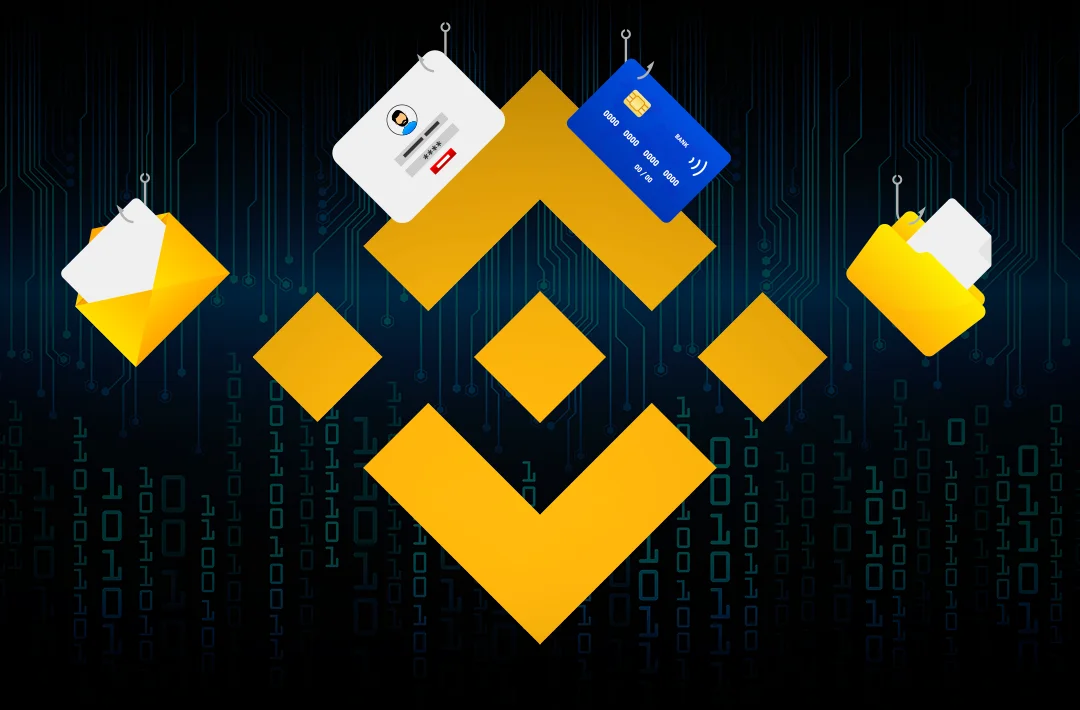
Что произошло? Эксперты по безопасности крупнейшей централизованной криптобиржи (CEX) Binance разработали алгоритм для защиты от мошенничества по методу «отравления»/подмены адресов. При таком способе, также известном как спуфинг, мошенники отправляют небольшое количество цифровых активов на кошельки потенциальных жертв с адресов с похожими символами. Такая транзакция, как и любые другие, записывается в историю операций, и в следующий раз при отправке средств сама жертва может по невнимательности скопировать из истории адрес мошенника и отправить ему средства.
Что еще известно? Алгоритм Binance обнаруживает мошенников, идентифицируя подозрительные переводы с почти нулевой стоимостью или неизвестными токенами, а также сопоставляя адреса отправителей с адресами потенциальных жертв. Затем он отмечает вредоносные транзакции по времени совершения, чтобы найти потенциальную точку «заражения».
Спуфинг-адреса мошенников регистрируются в базе данных компании-партнера Binance в области ИБ HashDit, которая может использоваться другими криптопроектами для защиты своих пользователей.
Так, многие фирмы используют API HashDit для защиты от различных видов мошенничества, в их числе криптокошелек Trust Wallet, который оповещает пользователей, когда они собираются перевести средства на спуфинг-адрес. Также алгоритм позволит отслеживать мошеннические адреса в расширениях для веб-браузеров и приложених MetaMask Snaps.
Команда биржи сообщила, что новый алгоритм уже помог обнаружить свыше 13,4 млн спуфинг-адресов в блокчейне BNB и более 1,68 млн — в блокчейне Ethereum.
Алгоритм Binance был представлен вскоре после крупного инцидента с применением данной схемы. Так, 3 мая неизвестный трейдер потерял 68 млн долларов в wBTC, отправив их на спуфинг-адрес. Спустя 10 дней мошенник вернул средства, вероятно, опасаясь деанонимизации, поскольку блокчейн-аналитики активно стремились установить его личность.
Данный вид мошенничества рассчитан на невнимательность: большинство трейдеров проверяют только первый и последний символы в адресе кошелька, который содержит 42 символа. Кроме того, интерфейсы большинства платформ не отображают адреса целиком без дополнительных нажатий.
Помимо этого, мошенники используют генераторы vanity-адресов, чтобы задать часть символов адреса самостоятельно и сделать его похожим на адрес потенциальной жертвы или ее контрагента.

Полезный материал?
Происшествия
Разработчики предупредили о рисках для мостов и обратились к биржам за помощью.
22 июн. 2026 г.
Происшествия
Осужденный помогал переводить средства жертв инвестиционных афер и заработал на этом не менее $4 млн.
10 июн. 2026 г.
Происшествия
Компания связывает инцидент с компрометацией приватного ключа сервисного кошелька, а не со взломом смарт-контрактов.
22 мая 2026 г.
Происшествия
После инцидента проект временно остановил торговые операции и работу узлов.
15 мая 2026 г.
Происшествия
Пользователь безуспешно подбирал пароль несколько недель, пока ИИ не помог найти старую резервную копию кошелька
14 мая 2026 г.
Крипторегулирование
Власти вводят обязательную регистрацию для компаний, работающих с трансграничными криптопереводами
8 мая 2026 г.
Курсы криптовалют
-

Bitcoin
$84 681
BTC
-2.04%
-

Ethereum
$2 683.4
ETH
-2.28%
-

BNB Smart Chain
$770.82
BSC
-0.97%
-

Ripple
$1.42
XRP
+1.04%
-

TRON
$0.336462
TRX
+0.53%
-

Zcash
$1 311.02
ZEC
-5.07%
-

Dogecoin
$0.092898
DOGE
-3.71%
-

Cardano
$0.218269
ADA
+2.11%
-

Stellar XLM
$0.184461
XLM
+2.83%
-

Bitcoin Cash
$311.5
BCH
-1.08%