


SEC обвинила криптоплатформы и инвестклубы в мошенничестве на $14 млн
По версии регулятора, схема была нацелена на розничных инвесторов и активно продвигалась через соцсети и чаты в мессенджерах
24.12.2025 - 10:15
568
4 мин
0
Главное:
- SEC предъявила обвинения 7 организациям, включая 3 криптоплатформы и 4 инвестиционных клуба.
- Мошенническая схема действовала с января 2024 года по январь 2025 года и привлекла более $14 млн.
- Инвесторов заманивали через соцсети и WhatsApp, обещая стабильную доходность и «ИИ-советы».
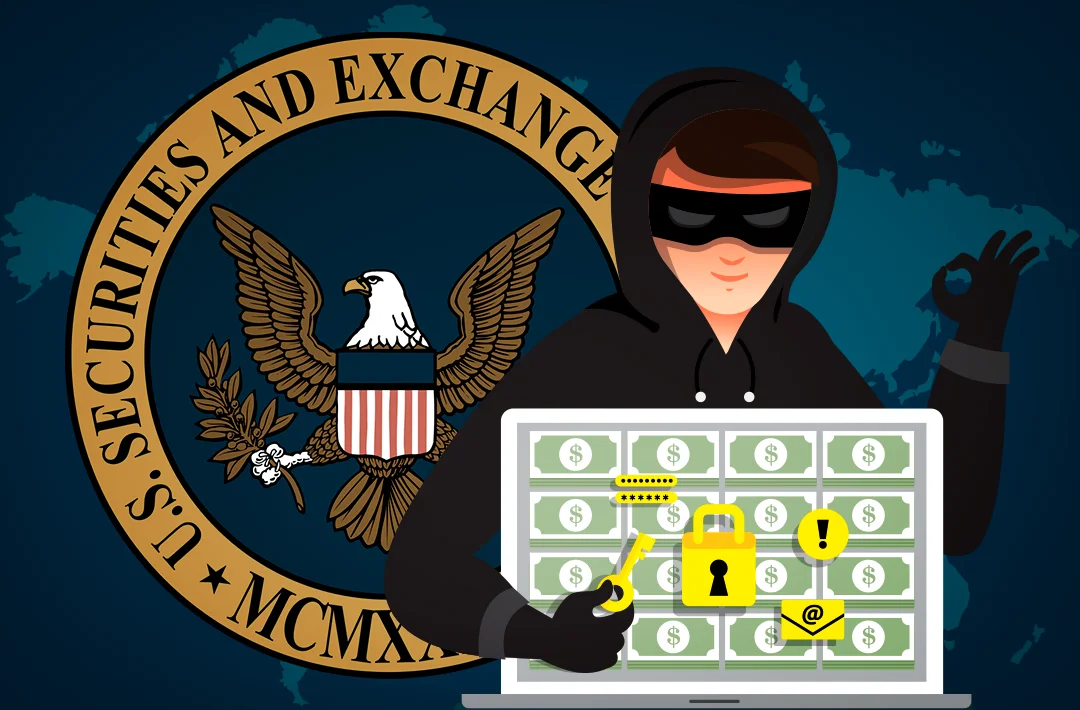
Комиссия по ценным бумагам и биржам (SEC) США подала иск в окружной суд штата Колорадо, обвинив семь организаций в причастности к мошеннической криптоинвестиционной схеме. По данным регулятора, жертвами стали розничные инвесторы, у которых похитили не менее $14 млн.
SEC утверждает, что схема активно продвигалась через социальные сети и мессенджеры, где потенциальных инвесторов вовлекали в закрытые инвестиционные сообщества под видом образовательных и аналитических клубов.
Как была устроена схема
Согласно материалам дела, реклама в соцсетях направляла пользователей в инвестиционные клубы, работавшие преимущественно в WhatsApp. В групповых чатах мошенники выдавали себя за финансовых экспертов и публиковали якобы аналитические рекомендации, в том числе с использованием «инвестиционных сигналов на базе ИИ».
Затем участников убеждали открыть и пополнить счета на платформах Morocoin Tech Corp., Berge Blockchain Technology Co., Ltd. и Cirkor Inc. SEC утверждает, что эти торговые площадки были полностью фиктивными и не осуществляли реальных операций, несмотря на заявления о наличии лицензий и государственного надзора.

В США раскрыли группировку, похитившую $263 млн в криптовалюте
Участник группировки признал вину, а следствие предъявило новое обвинение еще трем фигурантам схемы
По данным SEC, схема дополнялась продвижением поддельных предложений токенов безопасности. Ни сами токены, ни компании-эмитенты не существовали в реальности. При попытке вывести средства инвесторов заставляли вносить дополнительные авансовые платежи под разными предлогами, что приводило к дальнейшим потерям.
Регулятор заявил, что похищенные средства переводились за границу через сеть банковских счетов и криптовалютных кошельков, что усложняло их отслеживание.
В прошлом месяце Интерпол официально признал криптомошенничество глобальной преступной угрозой и указал на рост транснациональных схем, связанных с отмыванием средств через криптовалюты. В резолюции организации говорится, что преступные сети используют стейблкоины, низкокомиссионные блокчейны и кроссчейн-операции для сокрытия движения средств, что требует координации между правоохранительными органами разных стран.

Полезный материал?
Происшествия
Разработчики предупредили о рисках для мостов и обратились к биржам за помощью.
22 июн. 2026 г.
Происшествия
Осужденный помогал переводить средства жертв инвестиционных афер и заработал на этом не менее $4 млн.
10 июн. 2026 г.
Происшествия
Компания связывает инцидент с компрометацией приватного ключа сервисного кошелька, а не со взломом смарт-контрактов.
22 мая 2026 г.
Происшествия
После инцидента проект временно остановил торговые операции и работу узлов.
15 мая 2026 г.
Происшествия
Пользователь безуспешно подбирал пароль несколько недель, пока ИИ не помог найти старую резервную копию кошелька
14 мая 2026 г.
Крипторегулирование
Власти вводят обязательную регистрацию для компаний, работающих с трансграничными криптопереводами
8 мая 2026 г.
Курсы криптовалют
-

Bitcoin
$85 327
BTC
+0.59%
-

Ethereum
$2 698.26
ETH
+0.67%
-

BNB Smart Chain
$786.97
BSC
+1.12%
-

Ripple
$1.42
XRP
+1.04%
-

TRON
$0.33576
TRX
-0.29%
-

Zcash
$1 325.4
ZEC
+2.02%
-

Dogecoin
$0.094314
DOGE
+1.28%
-

Cardano
$0.218269
ADA
+2.11%
-

Stellar XLM
$0.184461
XLM
+2.83%
-

Bitcoin Cash
$316.86
BCH
+0.74%