

Регулятор Гонконга ужесточил правила хранения активов для лицензированных криптобирж
Поводом стало выявление слабых мест в системах безопасности некоторых платформ
15.08.2025 - 15:10
809
6 мин
0
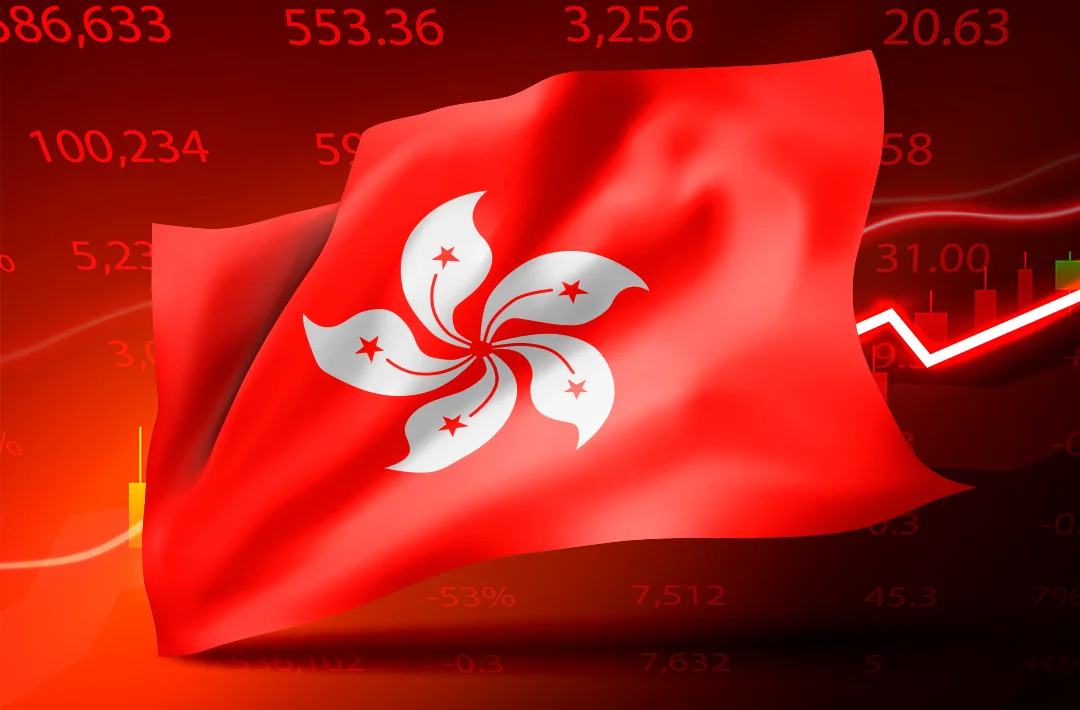
Что произошло? Комиссия Гонконга по ценным бумагам и фьючерсам (SFC) установила новые стандарты хранения активов для лицензированных криптобирж. Поводом к ужесточению стал анализ платформ, который выявил слабые места в системах безопасности некоторых из них.
Что произошло? Согласно заявлению от 15 августа, лицензированные платформы торговли виртуальными активами (VATP) должны критически пересмотреть свою практику хранения активов после многочисленных взломов зарубежных бирж, которые привели к значительным убыткам для клиентов.
SFC установила минимальные стандарты, охватывающие ответственность высшего руководства, операции с холодными кошельками, использование кастодиальных решений сторонних поставщиков и мониторинг угроз в режиме реального времени. Требования, изложенные в циркуляре, вступили в силу немедленно.
Казахстанская Fonte Capital запустила первый спотовый BTC-ETF в Центральной Азии
Торги паями биткоин-фонда ведутся на Астанинской международной бирже
«В перспективе эти стандарты также будут определять основные требования к кастодианам виртуальных активов и способствовать формированию эффективной общеотраслевой структуры для хранения виртуальных активов», — заявила SFC.
Действия SFC последовали за всплеском криптовзломов в июле: аналитики ИБ-компании PeckShield оценили убытки в 142 миллиона долларов, что на 27% больше в сравнении с июнем.
В то время как на материковом Китае сохраняется запрет на торговлю криптовалютами и майнинг, Гонконг как специальный административный район КНР развивается в качестве регионального криптохаба и стремится привлечь криптобизнес через систему лицензирования розничных бирж.
Отдельный режим лицензирования для эмитентов стейблкоинов также вступил в силу 1 августа.

Регулятор Шанхая начал изучать возможность использования стейблкоинов с привязкой к юаню
Криптовалюты на материковом Китае запрещены с 2021 года
Расширение числа доступных на местном рынке криптопродуктов для розничных инвесторов в сочетании с жесткими правилами защиты активов позволяет Гонконгу предложить лучшие условия в сравнении с региональным конкурентом — Сингапуром — который занял более строгую позицию в отношении розничных сервисов.
Новый циркуляр напрямую связан с основными принципами стратегии SFC ASPIRe, представленной в феврале на конференции CoinDesk Consensus 2025 в Гонконге. Она направлена решение проблем фрагментации ликвидности, регуляторного арбитража и волатильности рынка, а также расширение спектра регулируемых продуктов и услуг.
Ранее в этом году регулятор уже принял ряд мер, направленных на расширение доступа к рынку и ужесточение надзора.

Регулятор Дубая выпустил обновленные правила для криптоброкеров и бирж
VARA ужесточило контроль за услугами с кредитным плечом для приведения правил в соответствие с международными нормами
Так, в феврале регулятор объявил о новых режимах лицензирования внебиржевой торговли и кастодиальных услуг, а также о пересмотре подхода к деривативам и маржинальной торговле виртуальными активами.
В апреле SFC разрешила лицензированным биржам и фондам предлагать услуги стейкинга.

Полезный материал?
Происшествия
За 104 минуты злоумышленник опустошил 1 404 адреса, после чего валидаторы остановили сеть и заморозили почти всю добычу.
19 окт. 2026 г.
Происшествия
Разработчики предупредили о рисках для мостов и обратились к биржам за помощью.
22 июн. 2026 г.
Происшествия
Осужденный помогал переводить средства жертв инвестиционных афер и заработал на этом не менее $4 млн.
10 июн. 2026 г.
Происшествия
Компания связывает инцидент с компрометацией приватного ключа сервисного кошелька, а не со взломом смарт-контрактов.
22 мая 2026 г.
Происшествия
После инцидента проект временно остановил торговые операции и работу узлов.
15 мая 2026 г.
Происшествия
Пользователь безуспешно подбирал пароль несколько недель, пока ИИ не помог найти старую резервную копию кошелька
14 мая 2026 г.
Курсы криптовалют
-

Bitcoin
$81 532
BTC
+0.43%
-

Ethereum
$2 405.3
ETH
+1.2%
-

BNB Smart Chain
$745.1
BSC
+2.4%
-

Ripple
$1.42
XRP
+1.04%
-

TRON
$0.329278
TRX
+0.37%
-

Zcash
$1 251.9
ZEC
+4.58%
-

Dogecoin
$0.079812
DOGE
+1.8%
-

Cardano
$0.218269
ADA
+2.11%
-

Stellar XLM
$0.184461
XLM
+2.83%
-

Bitcoin Cash
$286.08
BCH
+4.48%