

Минфин Турции ужесточит правила сбора данных при криптопереводах
Также ведомство введет ограничения на переводы стейблкоинов
24.06.2025 - 15:40
787
5 мин
0
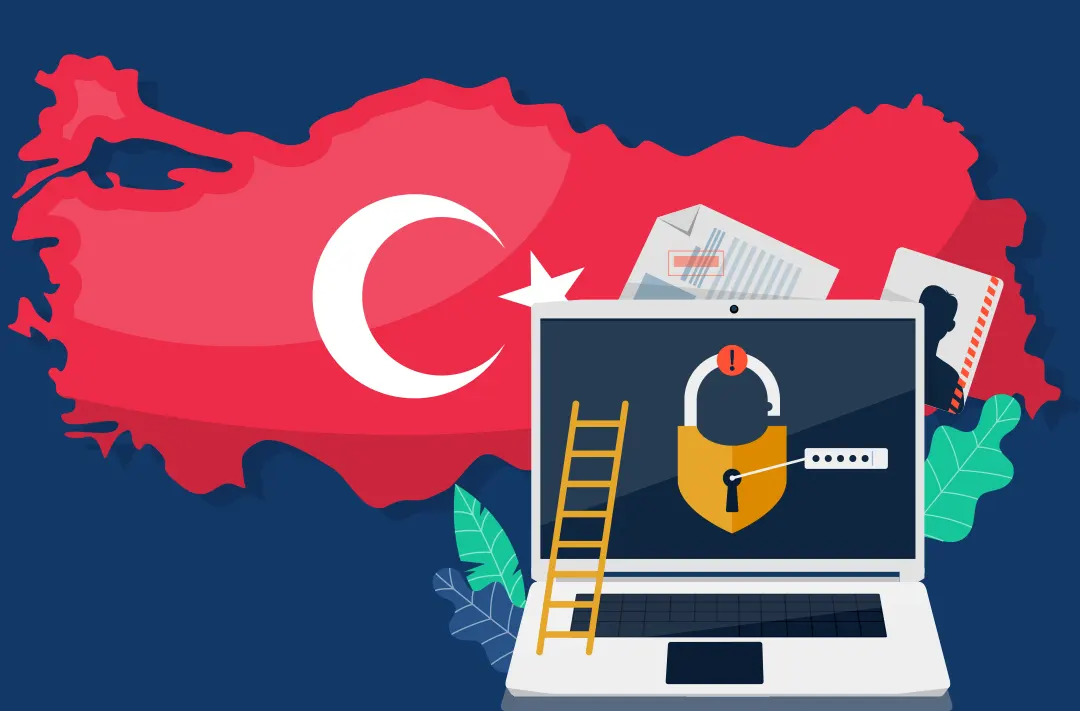
Что произошло? Министерство финансов Турции планирует ввести новые правила сбора данных об источниках и целях переводов через криптоплатформы, а также ограничения на переводы стейблкоинов в целях борьбы с отмыванием денег.
Что еще известно? В рамках предлагаемых мер криптоплатформы обяжут собирать подробную информацию о происхождении и цели каждого перевода. Пользователи должны будут предоставлять описание транзакции длиной не менее 20 символов для каждого перевода.
В дополнение платформы должны будут применять периоды удержания для вывода криптовалюты. Они включают 48-часовую задержку для большинства выводов и 72-часовую задержку для первого вывода с любого счета. При этом правило Travel Rule не применяется.
Travel Rule Международной группы разработки финансовых мер борьбы с отмыванием денег (FATF) обязывает компании обмениваться информацией о клиентах при осуществлении переводов для выявления подозрительных операций.

Huione Group наносит ответный удар. Власти США остались ни с чем
FinCEN пыталась прекратить работу камбоджийской компании, замешанной в отмывании средств, но у нее это не получилось
Новые правила Минфина являются частью более масштабных мер по усилению надзора за поставщиками услуг криптоактивов (CASP).
Кроме того, ведомство введет ежедневные и ежемесячные лимиты на переводы стейблкоинов, чтобы предотвратить быстрый отток незаконных средств, особенно от таких преступлений, как незаконные ставки и мошенничество. Пользователи будут ограничены суммами $3000 в день и $50 000 в месяц.
Платформам, которые полностью соблюдают Travel Rule, включая сбор полных данных об отправителе и получателе, будет разрешено вдвое повысить суточный и месячный лимиты.
Министр финансов и казначейства Мехмет Шимшек сообщил, что новые правила призваны побороть преступное злоупотребление, не подавляя законную деятельность.
«Помимо административных санкций, к платформам, не соблюдающим новые правила, могут быть применены различные правовые и финансовые санкции, включая отказ в выдаче лицензии или ее аннулирование», — сказал Шимшек.
Переводы, связанные с предоставлением ликвидности, маркетмейкингом и арбитражем (где пользователи могут доказать источник средств), будут освобождены от ограничений при условии, что они контролируются соответствующей требованиям платформой.
Турция стремится привести свое крипторегулирование в соответствие с международными стандартами, включая Закон Евросоюза о рынках криптоактивов (MiCA) .
Дубайская криптобиржа Bybit получила лицензию для работы в ЕС
Разрешение на работу в ЕС было выдано регулятором Австрии
В марте Совет по рынкам капитала Турции (CMB) ввел правила лицензирования и эксплуатации для CASP. Эта структура предоставляет CMB полную власть над криптобиржами, поставщиками кошельков и кастодианами, согласовывая национальный надзор с мировыми стандартами регулирования.
Правила устанавливают строгие требования к созданию CASP, включая критерии по опыту руководителей, структуре акционеров и минимальным порогам капитала. Криптобиржи должны иметь не менее 4,1 млн долларов капитала, кастодианы - не менее 13,7 млн.

Полезный материал?
Происшествия
За 104 минуты злоумышленник опустошил 1 404 адреса, после чего валидаторы остановили сеть и заморозили почти всю добычу.
19 окт. 2026 г.
Происшествия
Разработчики предупредили о рисках для мостов и обратились к биржам за помощью.
22 июн. 2026 г.
Происшествия
Осужденный помогал переводить средства жертв инвестиционных афер и заработал на этом не менее $4 млн.
10 июн. 2026 г.
Происшествия
Компания связывает инцидент с компрометацией приватного ключа сервисного кошелька, а не со взломом смарт-контрактов.
22 мая 2026 г.
Происшествия
После инцидента проект временно остановил торговые операции и работу узлов.
15 мая 2026 г.
Происшествия
Пользователь безуспешно подбирал пароль несколько недель, пока ИИ не помог найти старую резервную копию кошелька
14 мая 2026 г.
Курсы криптовалют
-

Bitcoin
$81 147
BTC
-4.16%
-

Ethereum
$2 376.71
ETH
-5.44%
-

BNB Smart Chain
$728.85
BSC
-2.88%
-

Ripple
$1.42
XRP
+1.04%
-

TRON
$0.328283
TRX
-1.31%
-

Zcash
$1 205.9
ZEC
-11.35%
-

Dogecoin
$0.078389
DOGE
-6.11%
-

Cardano
$0.218269
ADA
+2.11%
-

Stellar XLM
$0.184461
XLM
+2.83%
-

Bitcoin Cash
$273.45
BCH
-4.9%