

Стейблкоин USDC обогнал по популярности USDT после краха FTX
При этом рыночная капитализация Tether на 22 млрд долларов больше, чем USD Coin

12.01.2023 - 09:00
2679
3 мин
0
Что произошло? Популярность стейблкоина USD Coin (USDC) от эмитента Circle выросла после краха криптобиржи FTX. В настоящее время ежедневный объем переводов USDC в четыре-пять раз больше, у чем основного конкурента актива — стабильной монеты Tether (USDT), согласно данным аналитической компании Glassnode. При этом рыночная капитализация USDC на 23 млрд долларов меньше, чем USDT.
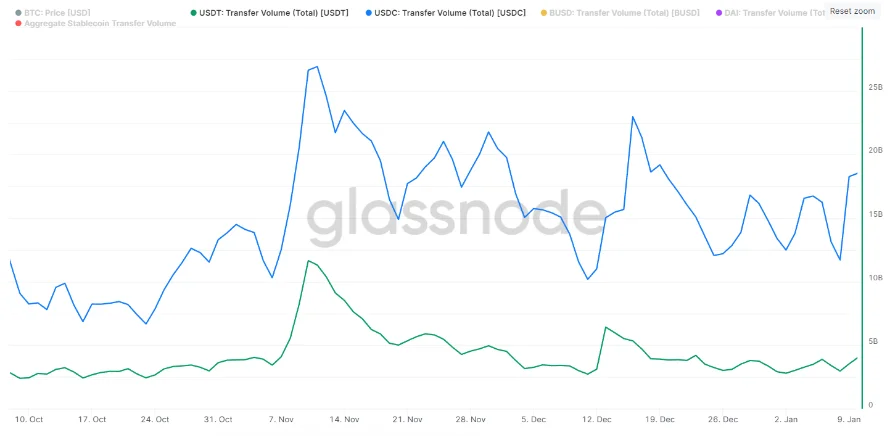
Какие еще данные известны? Оба стейблкоина зафиксировали резкий рост объемов переводов после заявления главы биржи Binance Чанпэна Чжао от 6 ноября о том, что компания полностью ликвидирует свою позицию в FTT, нативных токенах биржи FTX. Вскоре после этого FTX обанкротилась.
С тех пор USDC является более предпочтительным вариантом для пользователей криптовалют. Так, объем переводов в USDC в среднем на 12,5 млрд долларов в день больше, чем в USDT.
Резервы USDC обеспечены наличными или краткосрочными казначейскими облигациями США, актив ежемесячно проходит аудиторские проверки фирмы Grant Thornton.
В свою очередь эмитент Tether на протяжении нескольких лет подвергался критике за то, что не проводил надлежащего аудита и был менее прозрачен в отношении своих резервов. В сентябре Tether согласилась предоставить данные об обеспечении актива по требованию суда США. В декабре аналитики CryptoQuant заявили, что USDT остается стабильным, несмотря на рыночные потрясения.
31 января биржа Crypto.com прекратит поддержку USDT и всех торговых пар с активом для канадских пользователей. Делистинг связан с необходимостью соблюдения требований Комиссии по ценным бумагам Онтарио.
Ранее биржа Coinbase призвала клиентов конвертировать стейблкоин USDT в USDC. Последний, согласно заявлению, является более «надежным и авторитетным». Так, биржа отменила комиссию для розничных клиентов по всему миру за конвертацию USDT в USDC.

Полезный материал?
Происшествия
За 104 минуты злоумышленник опустошил 1 404 адреса, после чего валидаторы остановили сеть и заморозили почти всю добычу.
19 окт. 2026 г.
Происшествия
Разработчики предупредили о рисках для мостов и обратились к биржам за помощью.
22 июн. 2026 г.
Происшествия
Осужденный помогал переводить средства жертв инвестиционных афер и заработал на этом не менее $4 млн.
10 июн. 2026 г.
Происшествия
Компания связывает инцидент с компрометацией приватного ключа сервисного кошелька, а не со взломом смарт-контрактов.
22 мая 2026 г.
Происшествия
После инцидента проект временно остановил торговые операции и работу узлов.
15 мая 2026 г.
Происшествия
Пользователь безуспешно подбирал пароль несколько недель, пока ИИ не помог найти старую резервную копию кошелька
14 мая 2026 г.
Курсы криптовалют
-

Bitcoin
$80 197
BTC
-0.3%
-

Ethereum
$2 325.15
ETH
-1.41%
-

BNB Smart Chain
$736.05
BSC
+0.77%
-

Ripple
$1.42
XRP
+1.04%
-

TRON
$0.328876
TRX
-0.2%
-

Zcash
$1 183.71
ZEC
+3.43%
-

Dogecoin
$0.076302
DOGE
-0.78%
-

Cardano
$0.218269
ADA
+2.11%
-

Stellar XLM
$0.184461
XLM
+2.83%
-

Bitcoin Cash
$271.55
BCH
-0.93%