

Инцидент с Mobius: выпустить 9 квадриллионов токенов и потерять $2 млн
Проект был взломан всего через три дня после запуска, поскольку содержал техническую уязвимость
14.05.2025
623
3 мин
0
Очередной подающий надежды криптопроект не смог просуществовать и недели после своего запуска. GetBlock AML Research объясняет, каким образом хакер вывел $2 млн из токена $MBU и почему для него это были легкие деньги.
Математическая ошибка
Необычная активность смарт-контракта Mobius на BNB Smart Chain была замечена 11 мая. Спустя три дня после того, как токен был запущен и получил ликвидность от этого адреса: 0x18027eF7CC0e7dCe85120f69D0B91B4F4c9E07Bf.
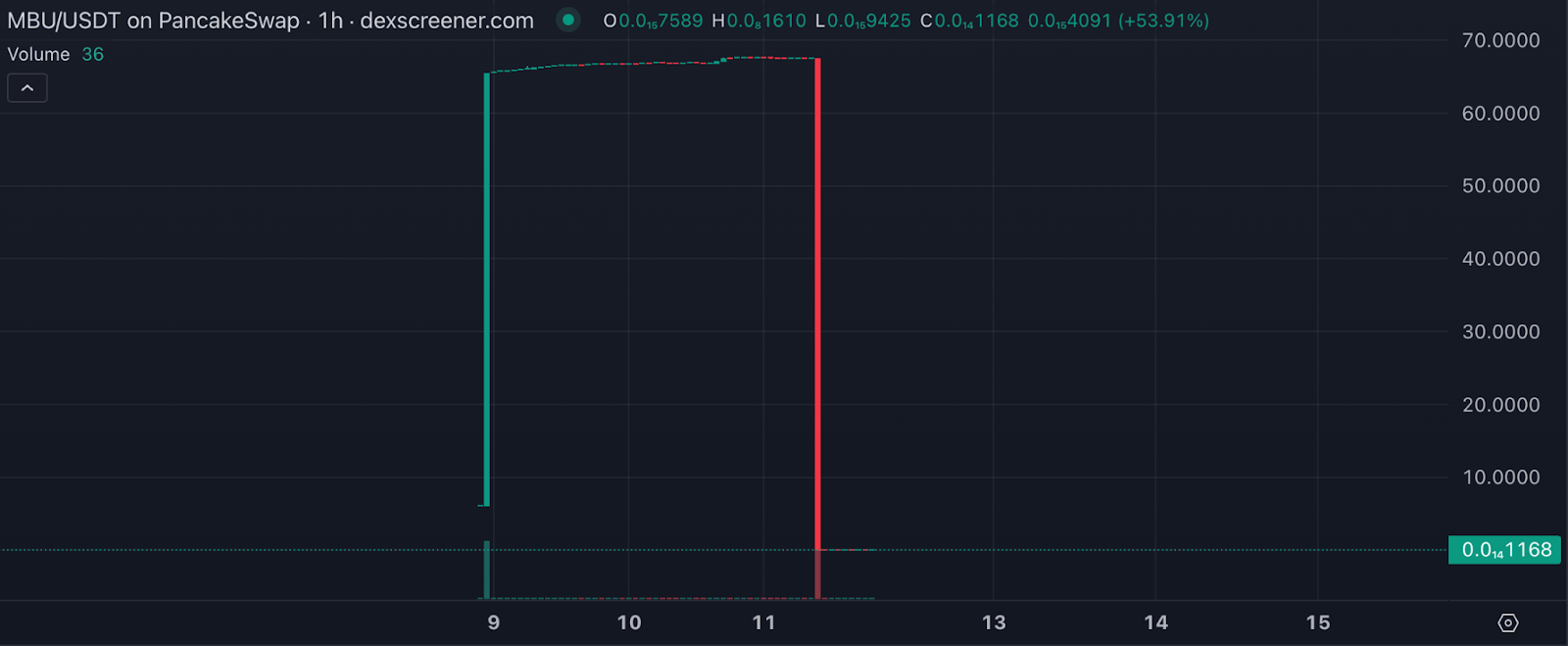
Обвал цены $MBU после атаки
Вредоносная транзакция: 0x2a65254b41b42f39331a0bcc9f893518d6b106e80d9a476b8ca3816325f4a150.
С помощью функции .deposit в смарт-контракте Mobius хакер выпустил 9 731 099 570 720 980,659843835099042677 токенов $MBU, заплатив всего 0,001 BNB. Оказалось, что в функции .deposit разработчиками была допущена ошибка множителя, которая сделала возможным выпуск более 9 квадриллионов ничем необеспеченных токенов.
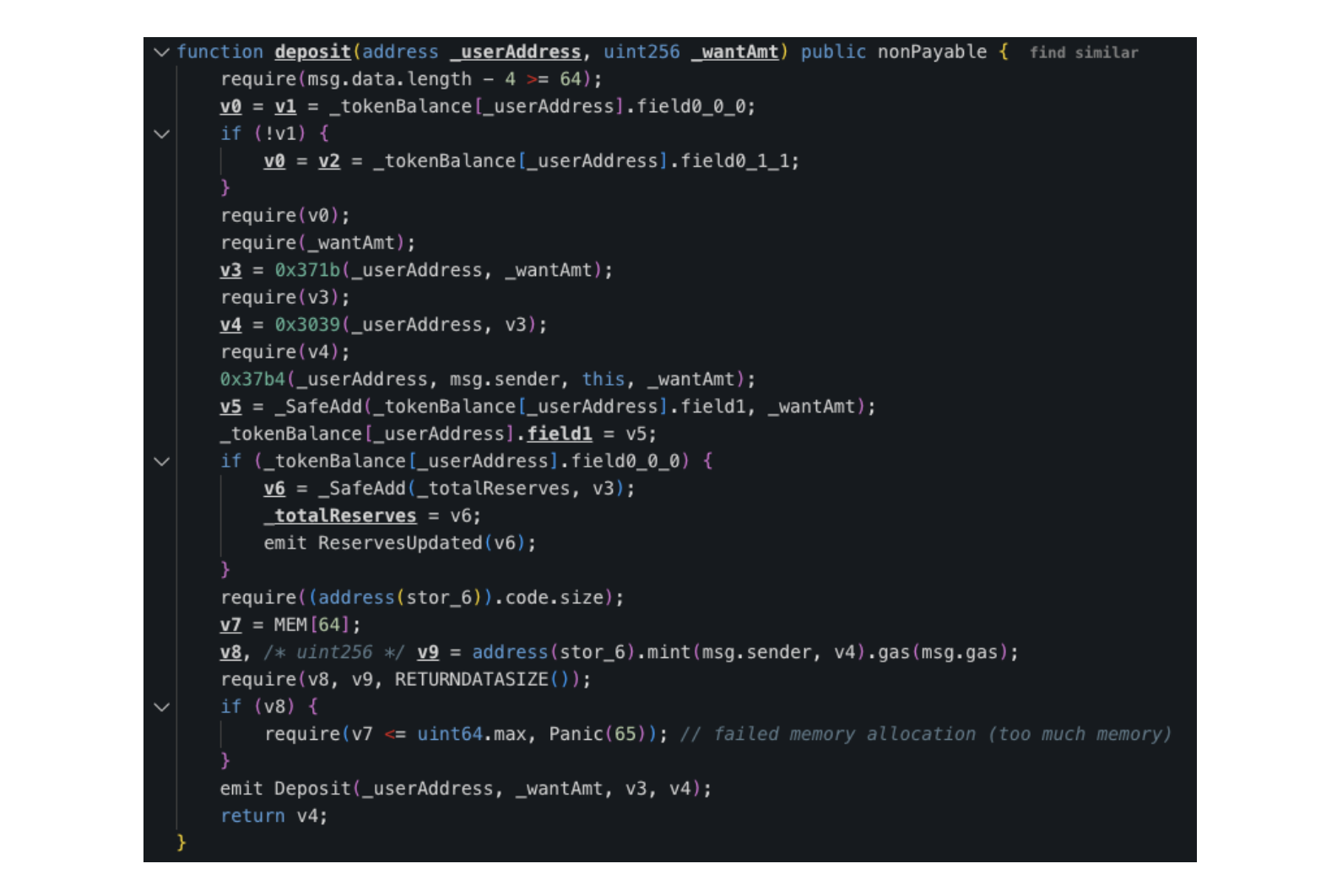
Функция .deposit с ошибкой множителя
После чеканки токенов злоумышленник обменял их на $2,16 млн USDT и перевел средства на адрес: 0xb32a53af96f7735d47f4b76c525bd5eb02b42600. В день совершения атаки хакер использовал этот адрес для взлома еще одной платформы — MHT Trade. Полученные в ходе атаки USDT хакер отправил на Tornado Cash.
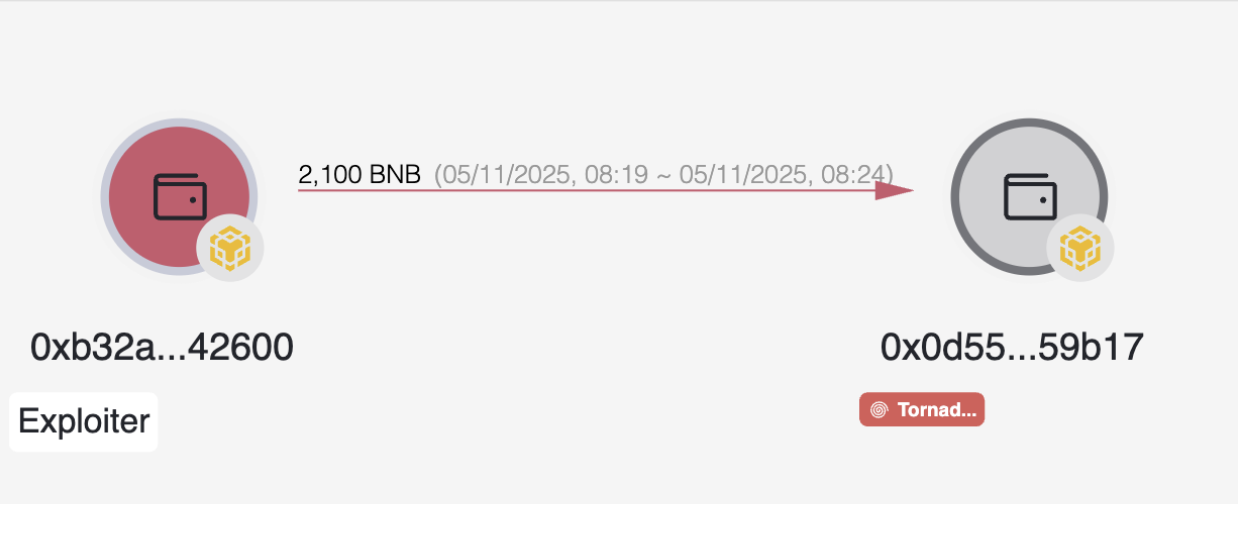
Визуализация перевода похищенных средств на Tornado Cash
Mobius — один из тех проектов, которые не прошли технический аудит, поэтому в их исходном коде обычно содержатся грубые ошибки, позволяющие нарушить работу смарт-контракта и вывести из него средства.

Полезный материал?
Расследования
Один и тот же криптовалютный адрес получил две полностью противоположные оценки от разных аналитических систем: от обычного сервиса азартных игр до крайне тяжкого уголовного преступления. Эта история стала поводом для обсуждения того, какими должны быть научные стандарты анализа блокчейна и почему ошибки в подобных системах способны повлиять на судьбы людей
1 июл. 2026 г.
Расследования
Блокчейн помог выявить связи между криптовалютными сборами средств, обменниками в Сирии и посредниками в нескольких странах мира. Обнаружена характерная схема, при которой одни и те же адреса использовались сразу в нескольких кампаниях по сбору пожертвований
24 июн. 2026 г.
Расследования
Четыре иранские криптовалютные биржи обеспечивали около 78% всего объема цифровых активов, связанных со страной в 2025 году. Теперь они оказались в центре крупнейшей санкционной кампании США против криптовалютной инфраструктуры Ирана.
5 июн. 2026 г.
Расследования
На публичных блокчейнах уже работает финансовая система с кредитами, аналогами облигаций США и автоматическими рынками капитала. Через DeFi-протоколы прошло более $551 млрд, но большая часть этой активности связана не с экономикой, а со спекулятивным наращиванием рисков
29 мая 2026 г.
Расследования
Около 97% китайских поставщиков химических веществ для производства фентанила принимают оплату в криптовалюте. Объем таких операций продолжает расти вместе с глобальным рынком синтетических наркотиков
22 мая 2026 г.
Расследования
Новый закон впервые делает блокчейн-аналитику официальным обязательным инструментом финансового контроля в США. Власти также получат право ограничивать операции с иностранными криптосервисами, связанными с рисками отмывания денег
20 мая 2026 г.
Курсы криптовалют
-

Bitcoin
$82 327
BTC
-1.45%
-

Ethereum
$2 531.48
ETH
-1.71%
-

BNB Smart Chain
$759.33
BSC
-0.93%
-

Ripple
$1.42
XRP
+1.04%
-

TRON
$0.335126
TRX
+0.42%
-

Zcash
$1 198.81
ZEC
-8.46%
-

Dogecoin
$0.086832
DOGE
-2.32%
-

Cardano
$0.218269
ADA
+2.11%
-

Stellar XLM
$0.184461
XLM
+2.83%
-

Bitcoin Cash
$294.05
BCH
-2.71%