

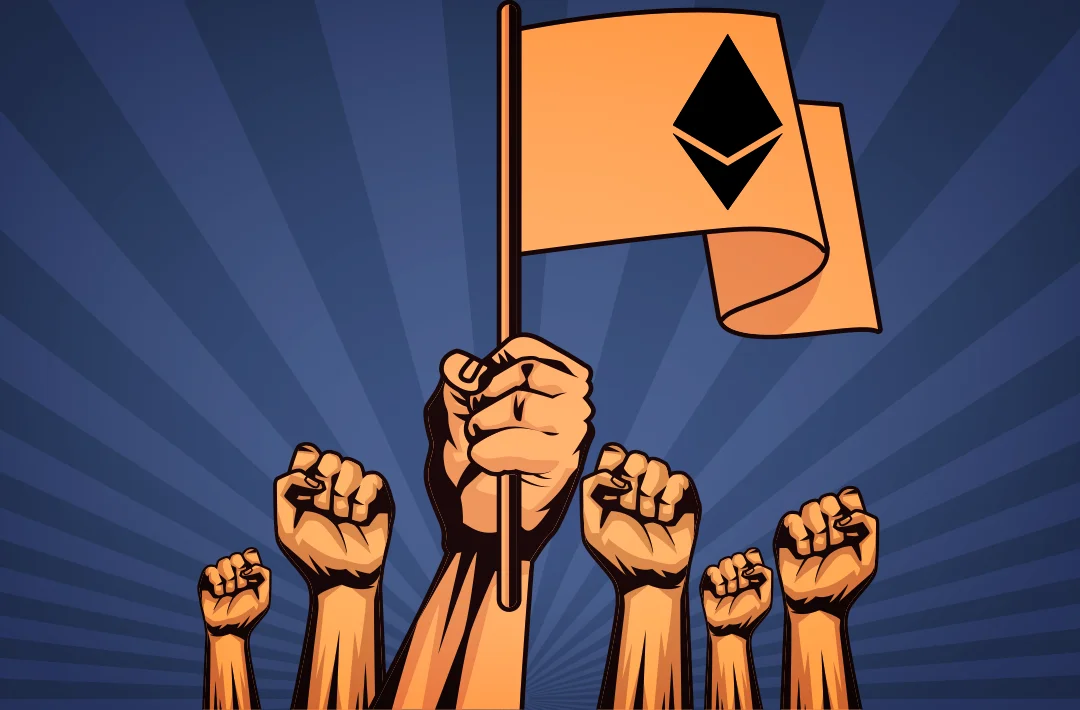
Бутан перенесет национальную систему цифровой идентификации с Polygon на Ethereum
Переход на Ethereum позволит жителям Бутана хранить и подтверждать личные данные в блокчейне, переход будет завершен к началу 2026 года
14.10.2025 - 09:20
520
4 мин
0
Главное:
- Бутан переводит систему цифровой идентификации (NDI) с Polygon на Ethereum.
- Полный переход планируется завершить к первому кварталу 2026 года.
- Ethereum Foundation назвала проект «глобальным шагом к открытому и безопасному цифровому будущему».
Бутан переносит свою национальную систему цифровой идентификации (NDI) с блокчейна Polygon на Ethereum, усиливая безопасность и масштабируемость платформы. Решение приняли Агентство GovTech и Национальный институт идентификации Бутана. Переход завершится к началу 2026 года.
Согласно заявлению секретаря GovTech Джигме Тенцинга, переход укрепит защиту личных данных граждан:
«Перейдя на Ethereum, мы еще больше укрепляем безопасность нашей цифровой идентичности», — отметил он.
Как работает система NDI
Платформа NDI позволяет около 800 000 граждан Бутана хранить и обмениваться цифровыми учетными данными для получения онлайн-услуг. Система основана на принципе децентрализованной идентификации (Self-Sovereign Identity), при котором пользователи сами контролируют доступ к своим данным без участия централизованных баз.
После интеграции с Ethereum жители смогут подтверждать личные данные — возраст, место жительства или гражданство — напрямую через блокчейн, сохраняя при этом конфиденциальность.
Запущенная в 2023 году в партнерстве с Input Output Global (IOG), разработчиком Cardano, система изначально тестировалась на Polygon и теперь переходит в публичную сеть Ethereum.
Реакция сообщества Ethereum
На церемонии запуска, состоявшейся в Бутане, присутствовали Виталик Бутерин и президент Ethereum Foundation Ая Миягучи.
«Децентрализованная цифровая идентификация расширяет возможности людей, предоставляя им безопасный контроль над своими данными и онлайн-жизнью», — заявил соучредитель Ethereum Виталик Бутерин.
Миягучи добавила, что внедрение Ethereum в государственную систему Бутана стало «не только национальным достижением, но и глобальным шагом к открытому и безопасному цифровому будущему».
Бутан усиливает присутствие в блокчейне
Переход на Ethereum дополняет стратегию страны по развитию цифровой экономики. Власти Бутана в партнерстве с Binance внедрили криптоплатежи для привлечения туристов. Платежная система Binance Pay с аудиторией более 40 млн пользователей объединилась с местным необанком DK Bank, чтобы сделать оплату туристических услуг в криптовалюте доступной по всей стране.
По данным BitcoinTreasuries, страна занимает шестое место в мире по объему государственных запасов биткоинов, владея 6371 BTC — после США, Китая, Великобритании, Украины и ОАЭ.

Полезный материал?
Происшествия
Разработчики предупредили о рисках для мостов и обратились к биржам за помощью.
22 июн. 2026 г.
Происшествия
Осужденный помогал переводить средства жертв инвестиционных афер и заработал на этом не менее $4 млн.
10 июн. 2026 г.
Происшествия
Компания связывает инцидент с компрометацией приватного ключа сервисного кошелька, а не со взломом смарт-контрактов.
22 мая 2026 г.
Происшествия
После инцидента проект временно остановил торговые операции и работу узлов.
15 мая 2026 г.
Происшествия
Пользователь безуспешно подбирал пароль несколько недель, пока ИИ не помог найти старую резервную копию кошелька
14 мая 2026 г.
Крипторегулирование
Власти вводят обязательную регистрацию для компаний, работающих с трансграничными криптопереводами
8 мая 2026 г.
Курсы криптовалют
-

Bitcoin
$84 134
BTC
-0.36%
-

Ethereum
$2 680.61
ETH
-0.19%
-

BNB Smart Chain
$776.61
BSC
+1.33%
-

Ripple
$1.42
XRP
+1.04%
-

TRON
$0.340058
TRX
-0.22%
-

Zcash
$1 529.81
ZEC
+3.18%
-

Dogecoin
$0.095357
DOGE
+3.11%
-

Cardano
$0.218269
ADA
+2.11%
-

Bitcoin Cash
$337.63
BCH
-0.04%
-

Stellar XLM
$0.184461
XLM
+2.83%