

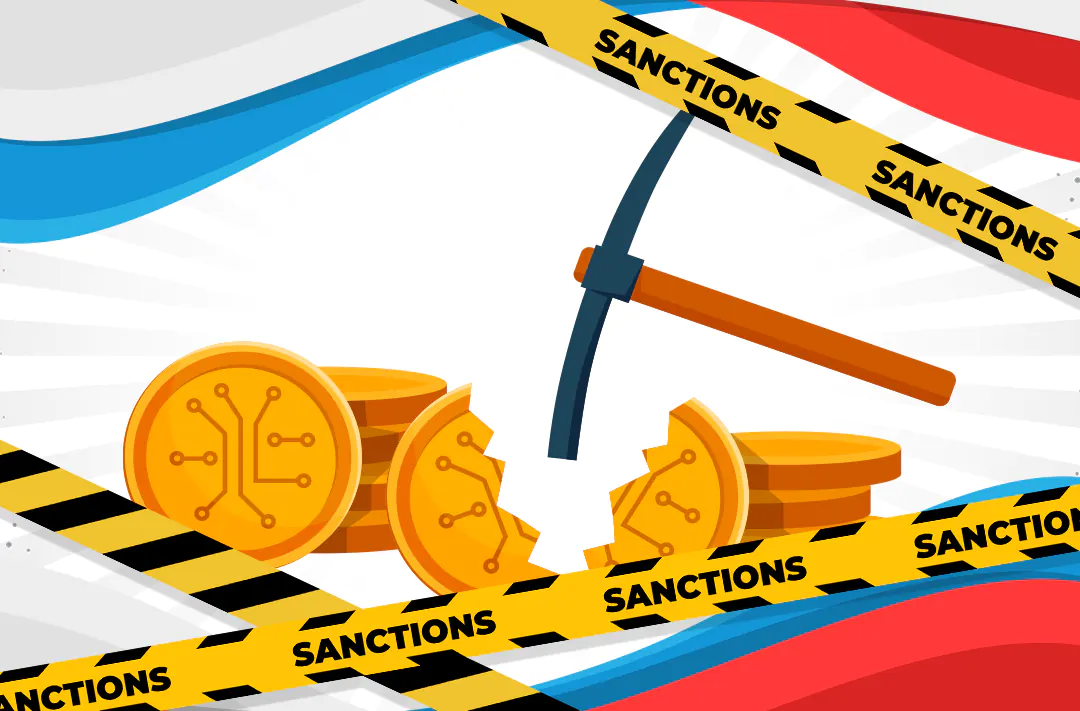
СМИ сообщили о слабом влиянии санкций на российских майнеров
Большинство пулов находится в китайской юрисдикции, а добытые монеты продаются на платформах, не вводивших ограничения
17.10.2022 - 07:30
2747
3 мин
0
Что произошло? Принятый в начале октября восьмой пакет санкций Евросоюза полностью запретил криптоплатформам оказывать услуги клиентам из РФ, независимо от суммы активов. В частности, россияне не могут открывать счета и криптокошельки в компаниях, имеющих лицензию в странах ЕС. Однако, как выяснили журналисты издания «Коммерсантъ», новые ограничения слабо затрагивают российских майнеров.
Новость на сайте «Коммерсанта»
Как санкции повлияли на майнеров? По оценкам опрошенных экспертов, лишь 10% российских трейдеров используют западную инфраструктуру для продажи добытых монет. В настоящий момент у майнеров есть много возможностей легально продолжать работу, однако если санкции будут расширяться, необходимо ускорять введения регулирования на территории России.
По словам представителя майнинговой компании CHILKOOT Артема Еремина, до 95% пулов, в которых работают российские майнеры, находятся в китайской юрисдикции. Это делает их недоступными для санкций, к тому же, после добычи у майнеров есть возможность продать монеты на биржах, не соблюдающих санкции ЕС, а также путем проведения внебиржевых сделок (OTC).
В июле США призвали Японию усилить давление на местные криптобиржи и майнинговые компании, чтобы они прекратили финансовые операции с Россией. В конце августа крупнейший японский онлайн-брокер SBI Holdings Inc. прекратил свою майнинговую деятельность в России и разорвал связи с попавшим под санкции США оператором дата-центров BitRiver.
В августе мощность российских ферм по добыче биткоина, работающих на попутном нефтяном газе, достигла 85 МВт. Общая энергомощность майнинг-ферм на нефтяных месторождениях составила 23% от всего рынка добычи криптовалют в стране.
В конце сентября Банк России и Минфин согласовали позицию по регулированию добычи криптовалют. Депутат Анатолий Аксаков отметил, что законопроект будет вынесен на рассмотрение в ближайшее время.

Полезный материал?
Происшествия
За 104 минуты злоумышленник опустошил 1 404 адреса, после чего валидаторы остановили сеть и заморозили почти всю добычу.
19 окт. 2026 г.
Происшествия
Разработчики предупредили о рисках для мостов и обратились к биржам за помощью.
22 июн. 2026 г.
Происшествия
Осужденный помогал переводить средства жертв инвестиционных афер и заработал на этом не менее $4 млн.
10 июн. 2026 г.
Происшествия
Компания связывает инцидент с компрометацией приватного ключа сервисного кошелька, а не со взломом смарт-контрактов.
22 мая 2026 г.
Происшествия
После инцидента проект временно остановил торговые операции и работу узлов.
15 мая 2026 г.
Происшествия
Пользователь безуспешно подбирал пароль несколько недель, пока ИИ не помог найти старую резервную копию кошелька
14 мая 2026 г.
Курсы криптовалют
-

Bitcoin
$81 724
BTC
-2.04%
-

Ethereum
$2 400.39
ETH
-2.68%
-

BNB Smart Chain
$732.87
BSC
-1.73%
-

Ripple
$1.42
XRP
+1.04%
-

TRON
$0.330297
TRX
-0.06%
-

Zcash
$1 251.71
ZEC
-2.64%
-

Dogecoin
$0.079314
DOGE
-3.25%
-

Cardano
$0.218269
ADA
+2.11%
-

Stellar XLM
$0.184461
XLM
+2.83%
-

Bitcoin Cash
$276.65
BCH
-3.43%