

Лазейка для преступника: как обойти блокировку USDT от Tether
Внезапно оказалось, что операции в блокчейне происходят не мгновенно. Tether пришлось за это оправдываться
16.05.2025
1080
5 мин
0
Особенно скрупулезные исследователи обратили внимание на “задержку”, которая наблюдается между отправкой запроса на блокировку USDT и заморозкой средств в сетях Tron и Ethereum. GetBlock AML Research объясняет, стоит ли воспринимать это открытие всерьез.
Технический вопрос
Сервис AMLBot привел в пример ситуацию, когда время “задержки” при блокировке USDT в сети Tron составило 44 минуты (инициация, подтверждение). За этот период была инициирована специальная транзакция с мультиподписью (которую должны подтвердить еще несколько привилегированных участников сети), а затем транзакция должна быть одобрена на уровне блокчейна. Из-за этих двух факторов и особенностей блокчейнов Tron и Ethereum — блокировка USDT происходит не мгновенно, так же, как и отправка криптовалюты внутри сети.
Подобные технические особенности действительно создают “окно возможностей” для злоумышленников. Они могут создавать специальные программные средства, отслеживающие и оповещающие о появлении запросов на блокировку USDT, чтобы успеть вывести стейблкоины с блокируемых адресов.
Согласно отчету исследователей, 4,88% адресов из черного списка Tether использовали “задержку” блокировки, чтобы скрыть $78 млн USDT от эмитента.
Адекватный ответ Tether
В комментарии компании Tether изданию Decrypt по поводу внезапно вскрывшейся “лазейки” пояснили несколько моментов:
- В Tether считают, что называть эту ситуацию “лазейкой” некорректно, так как такая формулировка может ввести в заблуждение пользователей и навести на мысль, что компания как-либо содействует преступникам в отмывании средств;
- В противовес к скрытым $78 млн USDT благодаря “задержке” за этот же период были заморожены $2,7 млрд незаконно полученных USDT. В Tether намекнули, что такое соотношение говорит о высокой эффективности их работы по предотвращению отмывания средств, несмотря на “задержку”.
“Да, эта структура вводит небольшую задержку, но это компромисс для ответственного реагирования на экосистему стоимостью более $100 млрд”, — добавили в Tether.
Позицию Tether подтвердила исследовательская компания PeckShield. По мнению ее сотрудников, “задержка” в блокировке USDT наблюдается не из-за проблем в смарт-контракте стейблкоина, а из-за операционных особенностей платформ, на которых реализован USDT.
Двойное дно
Компания AMLBot, которая заявила о “задержке” блокировки USDT, уже была замешана в предоставлении своей инфраструктуры злоумышленникам в даркнете, чтобы обходить AML-механизмы и содействовать отмыванию грязной криптовалюты. Об этом стало известно еще в 2021 году из расследования KrebsOnSecurity.
Платформа предоставляла API сервисам в даркнете, которые активно использовали злоумышленники за дополнительную оплату. Один из таких сервисов (Antinalysis) имел высокую популярность на различных даркнет-маркетплейсах. После того, как информация об использовании преступниками API AMLBot стала публичной, компания перестала предоставлять услуги Antinalysis.
Только спустя четыре года (уже в 2025 году) в AMLBot публично отчитались о том, какие меры безопасности были внедрены после инцидента. Но Antinalysis и подобные ему сервисы продолжают работать по сей день.
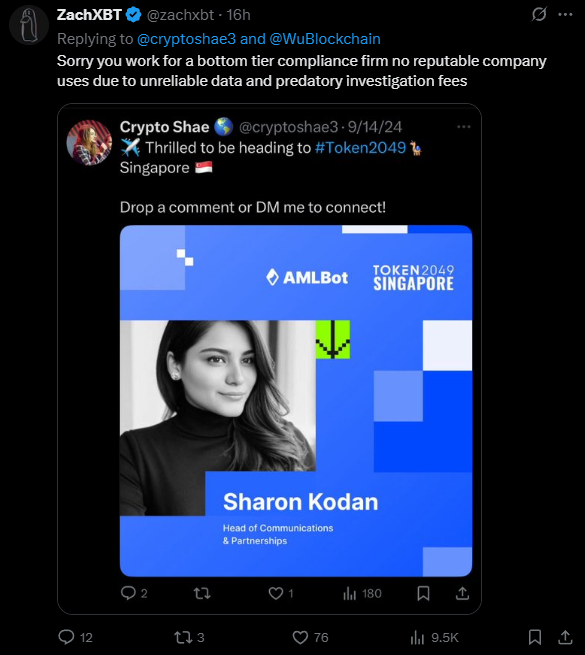
Известный блокчейн-следователь ZachXBT утверждает, что репутация AMLBot оказалась уничтожена и ни одна уважающая себя компания не пользуется услугами этого сервиса

Полезный материал?
Расследования
Один и тот же криптовалютный адрес получил две полностью противоположные оценки от разных аналитических систем: от обычного сервиса азартных игр до крайне тяжкого уголовного преступления. Эта история стала поводом для обсуждения того, какими должны быть научные стандарты анализа блокчейна и почему ошибки в подобных системах способны повлиять на судьбы людей
1 июл. 2026 г.
Расследования
Блокчейн помог выявить связи между криптовалютными сборами средств, обменниками в Сирии и посредниками в нескольких странах мира. Обнаружена характерная схема, при которой одни и те же адреса использовались сразу в нескольких кампаниях по сбору пожертвований
24 июн. 2026 г.
Расследования
Четыре иранские криптовалютные биржи обеспечивали около 78% всего объема цифровых активов, связанных со страной в 2025 году. Теперь они оказались в центре крупнейшей санкционной кампании США против криптовалютной инфраструктуры Ирана.
5 июн. 2026 г.
Расследования
На публичных блокчейнах уже работает финансовая система с кредитами, аналогами облигаций США и автоматическими рынками капитала. Через DeFi-протоколы прошло более $551 млрд, но большая часть этой активности связана не с экономикой, а со спекулятивным наращиванием рисков
29 мая 2026 г.
Расследования
Около 97% китайских поставщиков химических веществ для производства фентанила принимают оплату в криптовалюте. Объем таких операций продолжает расти вместе с глобальным рынком синтетических наркотиков
22 мая 2026 г.
Расследования
Новый закон впервые делает блокчейн-аналитику официальным обязательным инструментом финансового контроля в США. Власти также получат право ограничивать операции с иностранными криптосервисами, связанными с рисками отмывания денег
20 мая 2026 г.
Курсы криптовалют
-

Bitcoin
$82 756
BTC
+0.34%
-

Ethereum
$2 483.69
ETH
-1.89%
-

BNB Smart Chain
$738.36
BSC
-2.58%
-

Ripple
$1.42
XRP
+1.04%
-

TRON
$0.332226
TRX
-0.7%
-

Zcash
$1 210.99
ZEC
-0.12%
-

Dogecoin
$0.084437
DOGE
-3.34%
-

Cardano
$0.218269
ADA
+2.11%
-

Stellar XLM
$0.184461
XLM
+2.83%
-

Bitcoin Cash
$272.69
BCH
-8.06%