

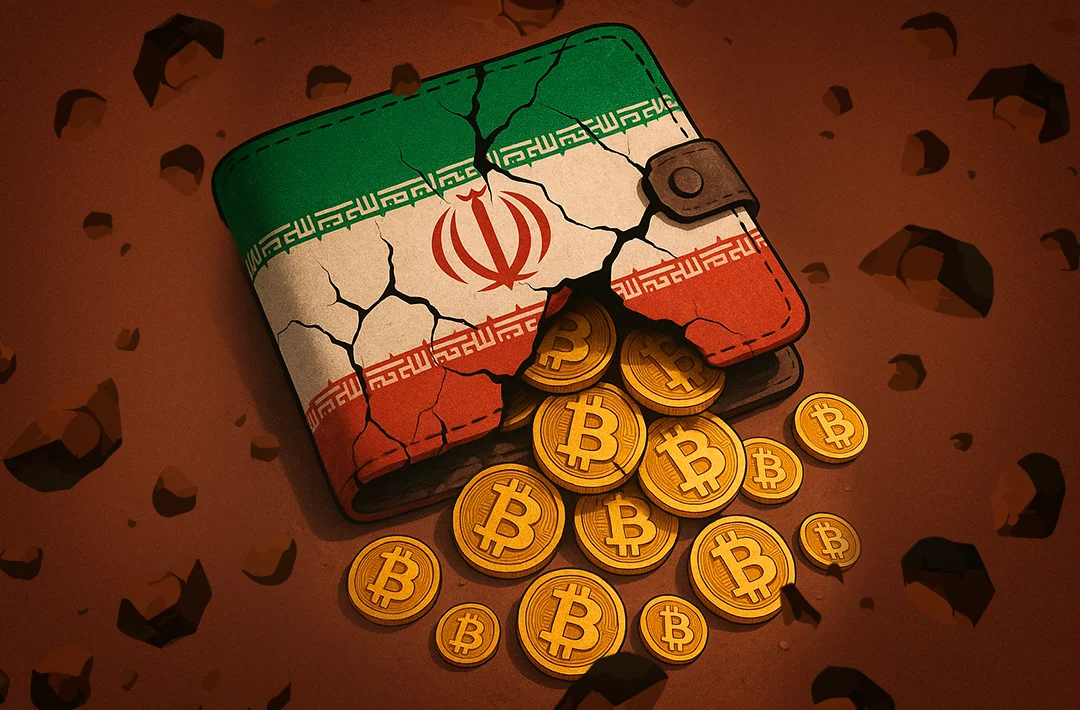
Как иранская биржа Nobitex лишилась более $80 млн. Хронология взлома
Торговую платформу взломала произраильская хакерская группировка Predatory Sparrow
20.06.2025
964
4 мин
0
Взлом крупнейшей криптобиржи в Иране не похож на типичную атаку с целью наживы. Все факторы указывают на то, что похищение активов произошло по политическим мотивам. GetBlock AML Research разбирает детали взлома Nobitex.
Первая среди санкционных
За последние несколько лет Nobitex стала ключевым игроком на рынке Ирана. Биржа стала крупнейшей торговой платформой в стране в условиях международных санкций. Помимо обычной розничной активности, Nobitex обрабатывала транзакции для лиц и организаций, которые находятся под санкциями. Ончейн-анализ подтверждает связь Nobitex с создателями программ-вымогателей, хуситами, ХАМАС, российскими криптобиржами Garantex (ныне Grinex) и Bitpapa.
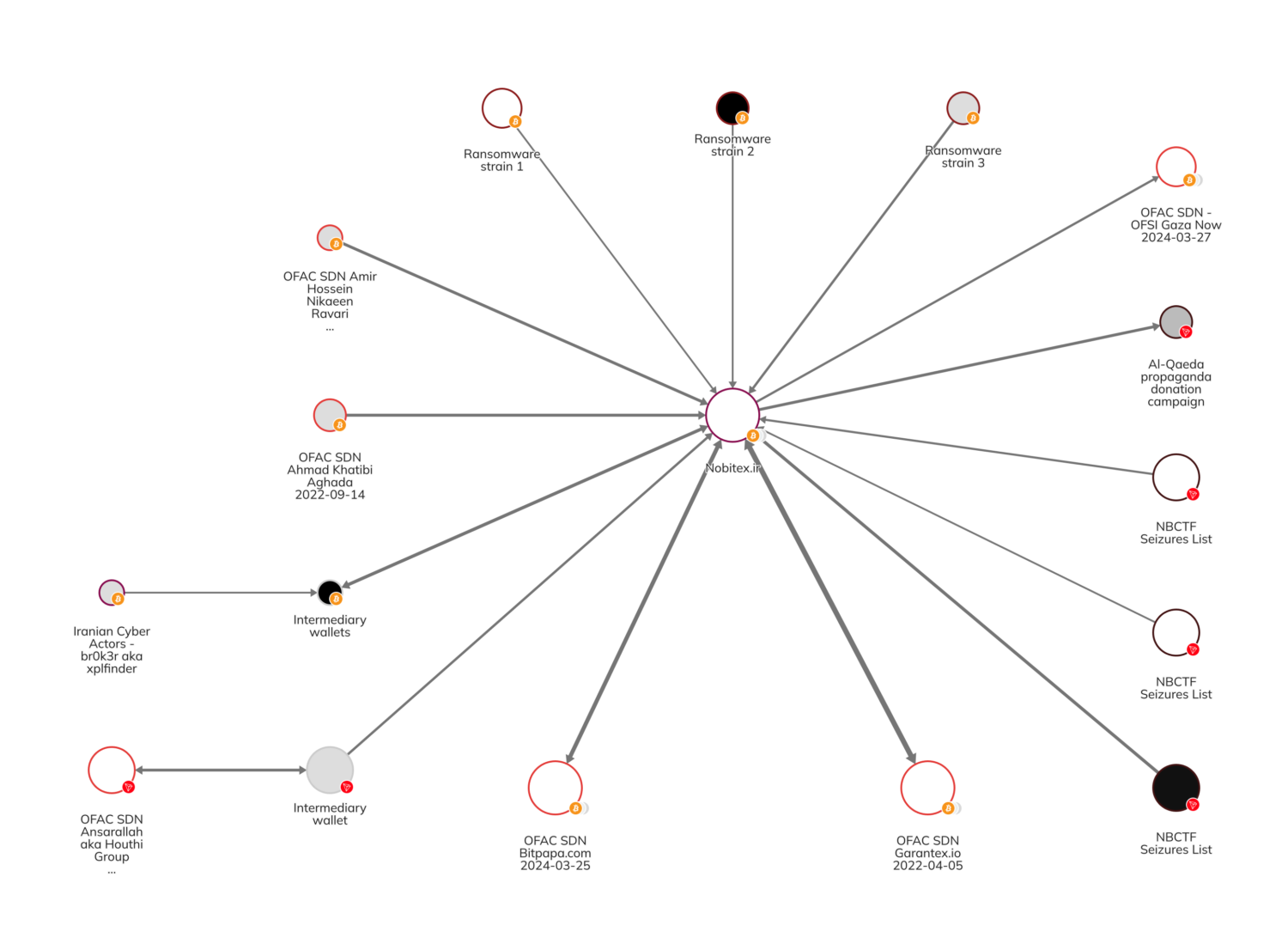
Граф связей Nobitex с санкционными лицами и организациями. Данные: Chainalysis
Политический мотив
Взлом Nobitex произошел после того, как Израиль начал военную операцию против Ирана. Ранее Национальное бюро по борьбе с финансированием терроризма (NBCTF) Израиля называло Nobitex крупнейшим финансовым хабом, через который финансирует многие иранские программы и структуры. Израильские специалисты обнаружили, что Nobitex и другие криптовалютные торговые платформы контролировались напрямую КСИР (Корпусом стражей исламской революции) и лично Верховным лидером Ирана Али Хаменеи.
Ответственность за взлом Nobitex взяла произраильская хакерская группировка Predatory Sparrow, которая ранее уже атаковала иранский банк Sepah.
Хронология атаки
- Первым о взломе Nobitex сообщил известный крипто-детектив ZachXBT в своем Telegram-канале. Он обнаружил крупные подозрительные транзакции в сети Tron;
- Позже стало известно, что Nobitex лишилась активов на $84,6 млн;
- Команда Nobitex признала факт взлома и приостановила работу биржи для проведения расследования;
- Группировка Predatory Sparrow взяла ответственность за атаку и пообещала публично раскрыть исходный код Nobitex. Оказалось, что биржа построена преимущественно на Python и управляется помощью Kubernetes (K8s).
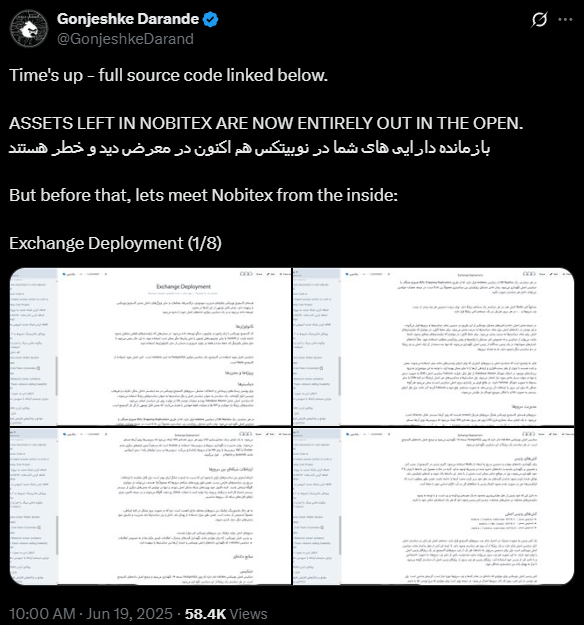
Исходный код Nobitex, опубликованный в X-аккаунте Predatory Sparrow
Сжигание активов
Большая часть похищенных средств была переведена на синтаксически неверные форматы адресов (например, TKFuckiRGCTerroristsNoBiTEXy2r7mNX). Как утверждает группировка Predatory Sparrow, эти
адреса специально созданы для сжигания, поскольку отправить средства с этих адресов не представляется возможным.
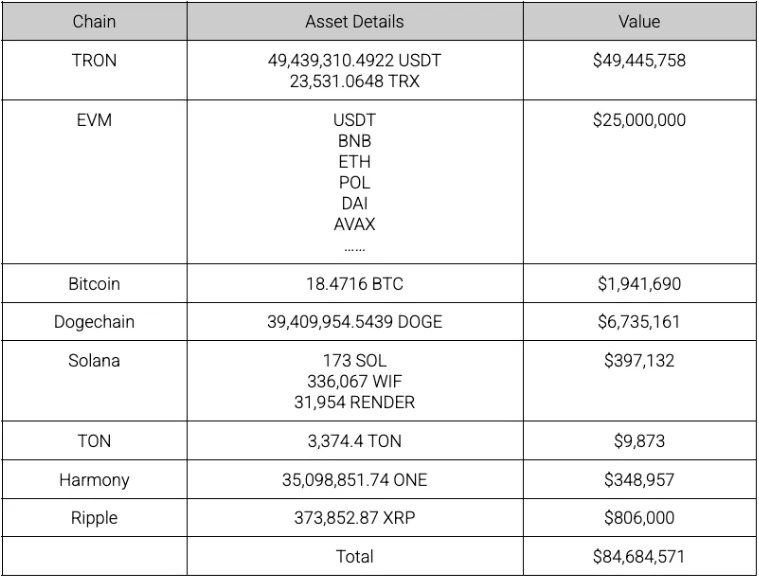
Список похищенных у Nobitex активов
|
Адреса для хранения похищенных у Nobitex активов |
|
TKFuckiRGCTerroristsNoBiTEXy2r7mNX |
|
0xffFFfFFffFFffFfFffFFfFfFfFFFFfFfFFFFDead |
|
1FuckiRGCTerroristsNoBiTEXXXaAovLX |
|
DFuckiRGCTerroristsNoBiTEXXXWLW65t |
|
FuckiRGCTerroristsNoBiTEXXXXXXXXXXXXXXXXXXX |
|
UQABFuckIRGCTerroristsNOBITEX1111111111111111_jT |
|
one19fuckterr0rfuckterr0rfuckterr0rxn7kj7u |
|
rFuckiRGCTerroristsNoBiTEXypBrmUM |

Полезный материал?
Расследования
Один и тот же криптовалютный адрес получил две полностью противоположные оценки от разных аналитических систем: от обычного сервиса азартных игр до крайне тяжкого уголовного преступления. Эта история стала поводом для обсуждения того, какими должны быть научные стандарты анализа блокчейна и почему ошибки в подобных системах способны повлиять на судьбы людей
1 июл. 2026 г.
Расследования
Блокчейн помог выявить связи между криптовалютными сборами средств, обменниками в Сирии и посредниками в нескольких странах мира. Обнаружена характерная схема, при которой одни и те же адреса использовались сразу в нескольких кампаниях по сбору пожертвований
24 июн. 2026 г.
Расследования
Четыре иранские криптовалютные биржи обеспечивали около 78% всего объема цифровых активов, связанных со страной в 2025 году. Теперь они оказались в центре крупнейшей санкционной кампании США против криптовалютной инфраструктуры Ирана.
5 июн. 2026 г.
Расследования
На публичных блокчейнах уже работает финансовая система с кредитами, аналогами облигаций США и автоматическими рынками капитала. Через DeFi-протоколы прошло более $551 млрд, но большая часть этой активности связана не с экономикой, а со спекулятивным наращиванием рисков
29 мая 2026 г.
Расследования
Около 97% китайских поставщиков химических веществ для производства фентанила принимают оплату в криптовалюте. Объем таких операций продолжает расти вместе с глобальным рынком синтетических наркотиков
22 мая 2026 г.
Расследования
Новый закон впервые делает блокчейн-аналитику официальным обязательным инструментом финансового контроля в США. Власти также получат право ограничивать операции с иностранными криптосервисами, связанными с рисками отмывания денег
20 мая 2026 г.
Курсы криптовалют
-

Bitcoin
$80 445
BTC
-0.98%
-

Ethereum
$2 336.81
ETH
-2.4%
-

BNB Smart Chain
$729.08
BSC
-1.65%
-

Ripple
$1.42
XRP
+1.04%
-

TRON
$0.329068
TRX
-0.23%
-

Zcash
$1 186.09
ZEC
-3.36%
-

Dogecoin
$0.077002
DOGE
-2.72%
-

Cardano
$0.218269
ADA
+2.11%
-

Stellar XLM
$0.184461
XLM
+2.83%
-

Bitcoin Cash
$274.05
BCH
-3.77%