

Заначка Silk Road. Обнаружены очередные «грязные» биткоины на $200 млн
Активы распределены на множество адресов и годы находились без движения. Однако теперь они вновь активизировались. Кто именно производит переводы — неизвестно
17.12.2025
632
13 мин
0
За прошедшую неделю древние кошельки закрытого даркнет маркетплейса Silk Road совершили сотни транзакций, чтобы фрагментировать биткоины на новых адресах и скрыть их происхождение. Эти транзакции оказались практически не замечены сообществом. GetBlock AML Research публикует детальный обзор ситуации.
Обнаружение монет
Старые кошельки Silk Road с биткоинами, которые не были изъяты после закрытия маркетплейса, обнаружил один из топ-менеджеров Coinbase Конор Гроган еще в начале 2025 года. На момент обнаружения на адреса, которые были неактивны более 13 лет, хранились около 430 BTC.
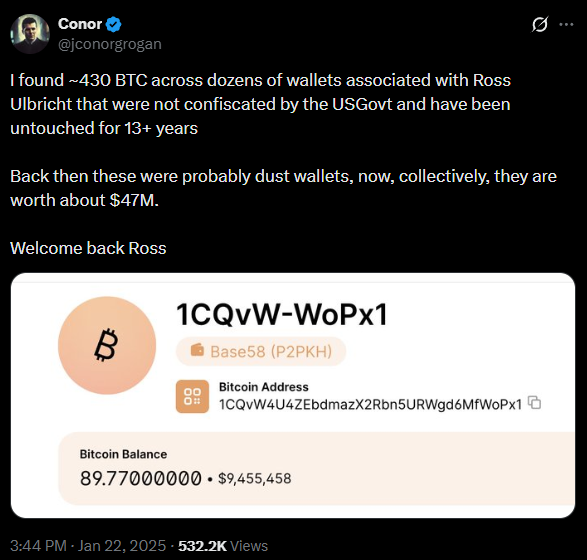
| Один из обнаруженных Гроганом адресов |
| 1CQvW4U4ZEbdmazX2Rbn5URWgd6MfWoPx1 |
Что происходит сейчас
Сеть неактивных адресов Silk Road оказалась намного больше, чем предполагал Гроган. Неделю назад эти кошельки начали незаметно переводить небольшие суммы в BTC на 85 новых адреса, которые уже аккумулировали более 2295 BTC (почти $200 млн). Переводы продолжаются до сих пор, поэтому итоговая объем биткоинов может быть значительно больше.
Примечательно, что переводы происходят через одноразовые адреса. Это может указывать на то, что средства пытаются скрыть или замаскировать источник их происхождения.
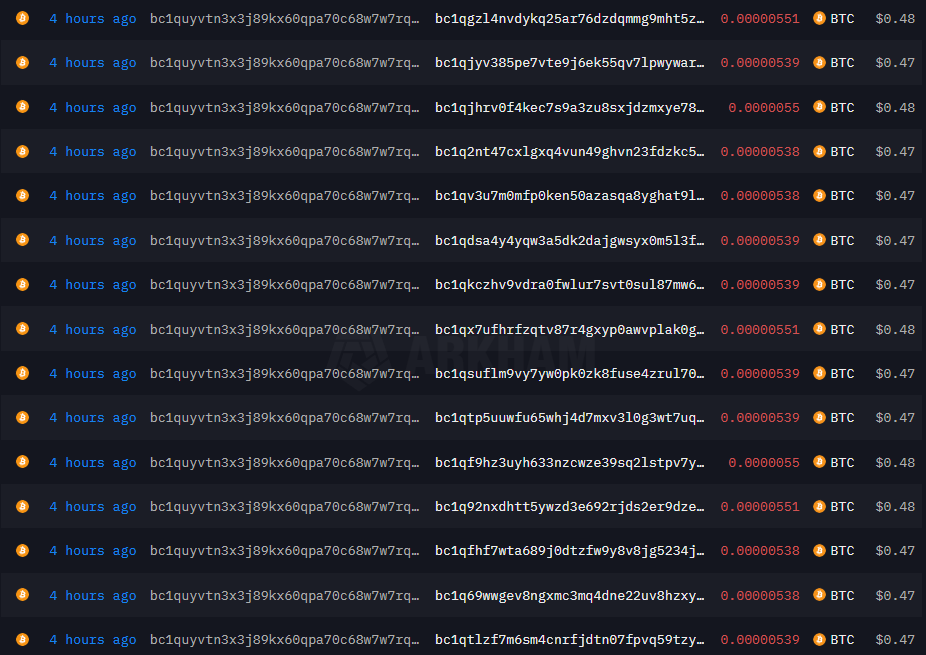
Переводы с адресов Silk Road. Данные: Arkham
Росс Ульбрихт: кто такой “король даркнета” и почему его приговорили к двум пожизненным срокам?
Рассказываем о его идеях создать свободный от вмешательства государства рынок и о том, как это обернулось двумя пожизненными заключениями
Кому принадлежат монеты
Достоверно неизвестно, кто именно стоит за этими переводами. Наиболее вероятно, что транзакции проводит создатель даркнет маркетплейса Росс Ульбрихт. До января 2025 года он находился в тюрьме, однако Дональд Трамп помиловал Ульбрихта сразу после вступления в должность президента США.

Полезный материал?
Расследования
Один и тот же криптовалютный адрес получил две полностью противоположные оценки от разных аналитических систем: от обычного сервиса азартных игр до крайне тяжкого уголовного преступления. Эта история стала поводом для обсуждения того, какими должны быть научные стандарты анализа блокчейна и почему ошибки в подобных системах способны повлиять на судьбы людей
1 июл. 2026 г.
Расследования
Блокчейн помог выявить связи между криптовалютными сборами средств, обменниками в Сирии и посредниками в нескольких странах мира. Обнаружена характерная схема, при которой одни и те же адреса использовались сразу в нескольких кампаниях по сбору пожертвований
24 июн. 2026 г.
Расследования
Четыре иранские криптовалютные биржи обеспечивали около 78% всего объема цифровых активов, связанных со страной в 2025 году. Теперь они оказались в центре крупнейшей санкционной кампании США против криптовалютной инфраструктуры Ирана.
5 июн. 2026 г.
Расследования
На публичных блокчейнах уже работает финансовая система с кредитами, аналогами облигаций США и автоматическими рынками капитала. Через DeFi-протоколы прошло более $551 млрд, но большая часть этой активности связана не с экономикой, а со спекулятивным наращиванием рисков
29 мая 2026 г.
Расследования
Около 97% китайских поставщиков химических веществ для производства фентанила принимают оплату в криптовалюте. Объем таких операций продолжает расти вместе с глобальным рынком синтетических наркотиков
22 мая 2026 г.
Расследования
Новый закон впервые делает блокчейн-аналитику официальным обязательным инструментом финансового контроля в США. Власти также получат право ограничивать операции с иностранными криптосервисами, связанными с рисками отмывания денег
20 мая 2026 г.
Курсы криптовалют
-

Bitcoin
$83 093
BTC
-3.76%
-

Ethereum
$2 558.43
ETH
-5.81%
-

BNB Smart Chain
$765.15
BSC
-2.58%
-

Ripple
$1.42
XRP
+1.04%
-

TRON
$0.334025
TRX
-0.42%
-

Zcash
$1 305.16
ZEC
-5.32%
-

Dogecoin
$0.0884
DOGE
-7.91%
-

Cardano
$0.218269
ADA
+2.11%
-

Stellar XLM
$0.184461
XLM
+2.83%
-

Bitcoin Cash
$299.62
BCH
-5.13%