


Как за две минуты лишиться криптовалюты в Telegram? Стать жертвой может каждый
Хакеры воруют цифровые активы и аккаунты пользователей в тот момент, когда многие даже не подозревают об этом

18.04.2025
1239
5 мин
0
Хакеры придумали новый способ кражи криптовалют с пользовательских устройств при помощи поддельных ботов безопасности в Telegram. Злоумышленники создают сценарии, которые побуждают пользователей использовать вредоносного “Safeguard” бота. GetBlock AML Research объясняет, как хакеры могут получить доступ к вашей криптовалюте при помощи Telegram.
На что ловят
Наиболее популярные способы “заставить” жертву использовать вредоносного бота — провести фейковые эйдропы или создать фейковую страницу в Telegram популярного криптоинфлюенсера. При попытке получить бесплатные токены или зафоловить инфлюенсера — пользователь сталкивается с необходимостью пройти верификацию через Safeguard бота.
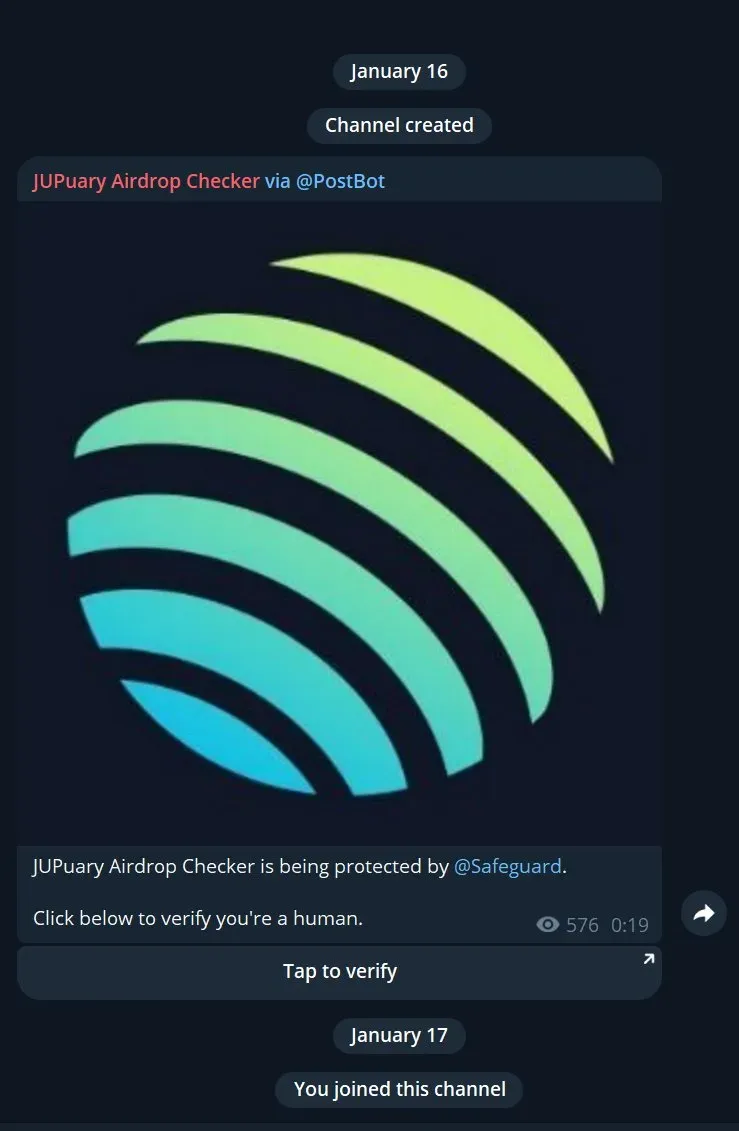
Одна из фишинговых групп под видом проведения эйрдропа
Точка невозврата
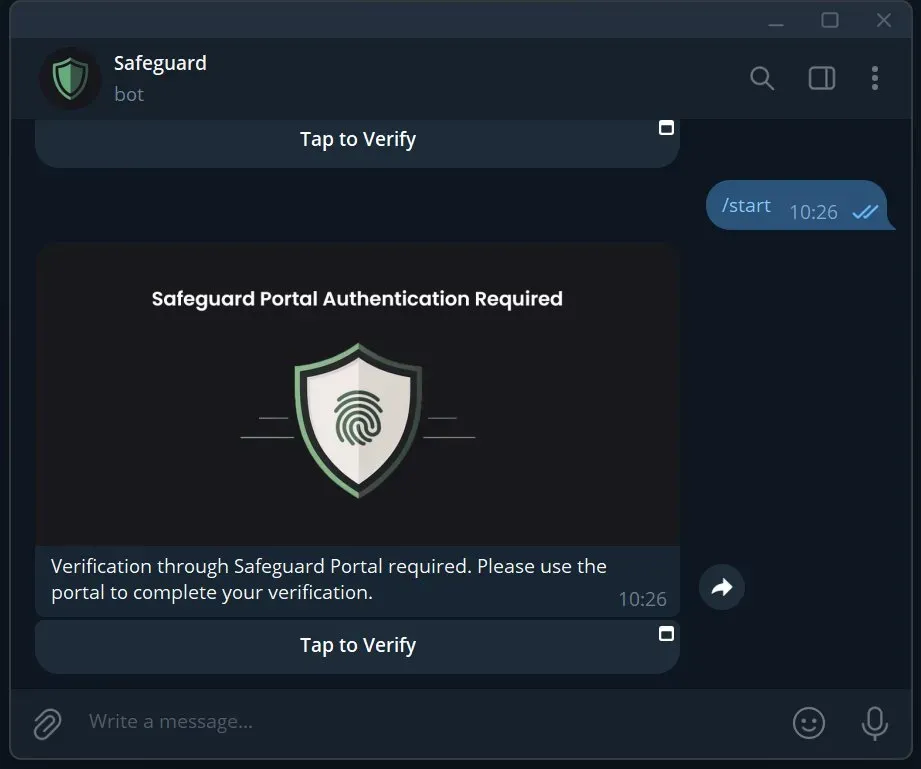
Поддельный бот Safeguard для прохождения идентификации
Весь вредоносный функционал реализован именно в Safeguard боте. При попытке открыть его и пройти автоматическую верификацию пользователь столкнется с ошибкой и будет вынужден прибегнуть к ручной идентификации. Бот сообщит, что нужно открыть командную строку Windows, нажать комбинацию клавиш Control (CTRL) + V и нажать Enter.
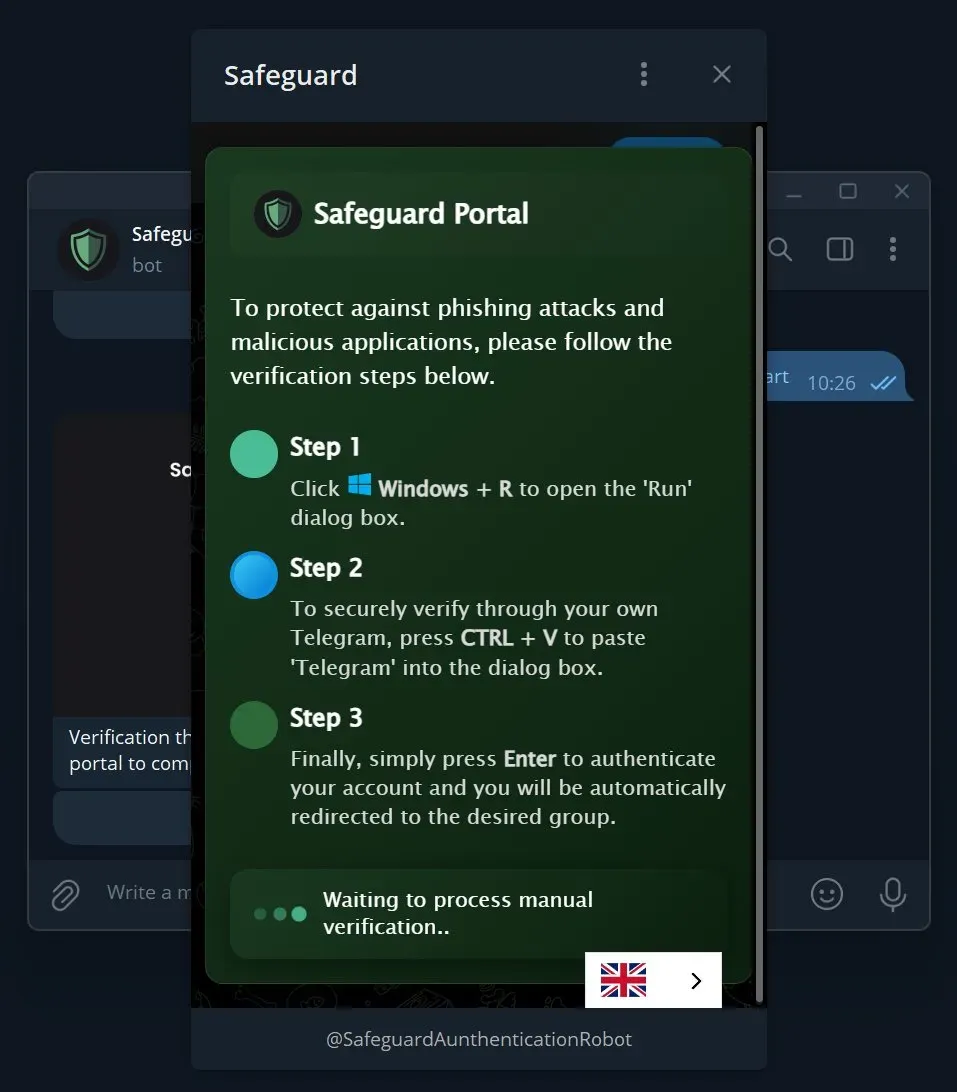
Диалоговое окно, которое копирует вредоносную команду в буфер обмена
Важно: в момент, когда пользователь видит это диалоговое окно — в его буфер обмена уже скопирована вредоносная команда, которая при запуске в командной строке заражает устройство специальным трояном для кражи криптовалют и Telegram-аккаунта жертвы. Поэтому ни в коем случае нельзя выполнять действия, которые описаны в диалоговом окне.

Вредоносная команда для заражения устройства, которая копируется в буфер обмена
В случае заражения трояном — злоумышленники получают полный удаленный доступ к устройству жертвы и всем конфиденциальным данным, в том числе к учетным записям и закрытым ключам криптовалютных кошельков. Подробный функционал таких троянов разобрал белый хакер Jose’s.
Для продвижения вредоносного бота в Telegram злоумышленники используют социальные сети, в частности X, и аккаунты знаменитостей. Например, ссылки на использование Safeguard бота можно найти в комментариях к публикациям президента США Дональда Трампа.
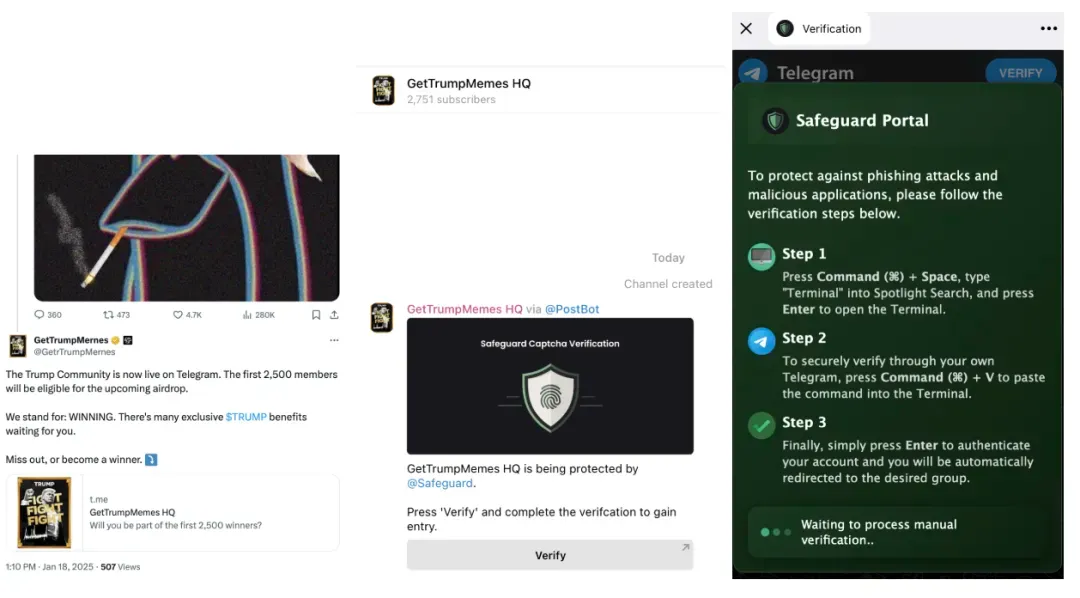
Фейковая раздача мемкоинов Трампа в X
Ончейн-анализ
Найденные при исследовании вредоносного кода адреса хакеров указывают на то, что им удалось украсть криптовалюту на $1,2 млн. Для отмывания активы были направлены на биржи Binance, HTX, FixedFloat, ChangeNow, eXch и Cryptomus.
Адреса злоумышленников:
- HVJGvGZpREPQZBTScZMBMmVzwiaVNN2MfSWLgeP6CrzV
- 2v1DUcjyNBerUcYcmjrDZNpxfFuQ2Nj28kZ9mea3T36W
- D8TnJAXML7gEzUdGhY5T7aNfQQXxfr8k5huC6s11ea5R
- 0x21B681C98ebc32A9C6696003fc4050F63bc8b2C6
Что делать, если устройство заражено
Если были выполнены все инструкции хакеров, то нужно быстро выполнить следующие действия:
- Найти другое устройство, которое не было затронуто злоумышленниками;
- Использовать это устройство для перевода криптовалюты с текущих кошельков на новые;
- Завершить активные сеансы всех учетных записей, сменить их пароли, а также включить двухфакторную идентификацию (2FA);
- Установить антивирусное ПО на зараженное устройство, выполнить полное сканирование;
- После обнаружения и удаления трояна выполнить переустановку операционной системы.
Этот алгоритм действий не гарантирует полную защиту от злоумышленников, но может помешать им завладеть вашими активами и учетными записями.

Полезный материал?
Расследования
Один и тот же криптовалютный адрес получил две полностью противоположные оценки от разных аналитических систем: от обычного сервиса азартных игр до крайне тяжкого уголовного преступления. Эта история стала поводом для обсуждения того, какими должны быть научные стандарты анализа блокчейна и почему ошибки в подобных системах способны повлиять на судьбы людей
1 июл. 2026 г.
Расследования
Блокчейн помог выявить связи между криптовалютными сборами средств, обменниками в Сирии и посредниками в нескольких странах мира. Обнаружена характерная схема, при которой одни и те же адреса использовались сразу в нескольких кампаниях по сбору пожертвований
24 июн. 2026 г.
Расследования
Четыре иранские криптовалютные биржи обеспечивали около 78% всего объема цифровых активов, связанных со страной в 2025 году. Теперь они оказались в центре крупнейшей санкционной кампании США против криптовалютной инфраструктуры Ирана.
5 июн. 2026 г.
Расследования
На публичных блокчейнах уже работает финансовая система с кредитами, аналогами облигаций США и автоматическими рынками капитала. Через DeFi-протоколы прошло более $551 млрд, но большая часть этой активности связана не с экономикой, а со спекулятивным наращиванием рисков
29 мая 2026 г.
Расследования
Около 97% китайских поставщиков химических веществ для производства фентанила принимают оплату в криптовалюте. Объем таких операций продолжает расти вместе с глобальным рынком синтетических наркотиков
22 мая 2026 г.
Расследования
Новый закон впервые делает блокчейн-аналитику официальным обязательным инструментом финансового контроля в США. Власти также получат право ограничивать операции с иностранными криптосервисами, связанными с рисками отмывания денег
20 мая 2026 г.
Курсы криптовалют
-

Bitcoin
$86 572
BTC
+3.22%
-

Ethereum
$2 745.14
ETH
+1.87%
-

BNB Smart Chain
$780.78
BSC
+1.42%
-

Ripple
$1.42
XRP
+1.04%
-

TRON
$0.334758
TRX
+0.56%
-

Zcash
$1 382.25
ZEC
-1.27%
-

Dogecoin
$0.096742
DOGE
+2.19%
-

Cardano
$0.218269
ADA
+2.11%
-

Stellar XLM
$0.184461
XLM
+2.83%
-

Bitcoin Cash
$315.62
BCH
+2.52%