


В Ethereum больше нельзя откатывать транзакции — вот почему
В 2016 году сеть Ethereum уже откатывали, чтобы забрать криптовалюту у хакеров. Почему этого не произошло после взлома ByBit на $1,5 млрд?
14.04.2025
808
9 мин
0
Несмотря на свою эффективность, блокчейн — не идеальная технология. Поскольку существует возможность откатить цепочку транзакций, то есть: отменить определенные операции. Еще два месяца назад такой прецедент мог произойти в сети Ethereum. GetBlock AML Research объясняет, как возникла такая необходимость и почему этого все же не произошло.
Первый откат
Откат цепочки транзакций — не теоретическое допущение. Такой инцидент уже имел место быть в далеком 2010 году. Тогда в сети биткоина произошел программный сбой на блоке 74638, блокчейн по ошибке выпустил 184 млрд BTC, хотя максимальная эмиссия криптовалюты лимитирована 21 млн. На тот момент стоимость BTC составляла около $0,07. Исправление ошибки выпустил мифический создатель биткоина — Сатоши Накамото. Откат блокчейна до программной ошибки поддержали майнеры. В итоге новая цепочка транзакций заменила старую.
Ethereum тоже откатывали
В 2016 году (спустя год после запуска сети) в блокчейне Ethereum произошел похожий неприятный инцидент. Хакер получил доступ к одному из кошельков платформы The DAO. На взломанном кошельке хранилось около 15% эмиссии ETH.
Разработчики решили в одностороннем порядке вмешаться в работу сети и заблокировали средства, чтобы хакер не смог их использовать. Одностороннее вмешательство поддержали не все, так как создатели Ethereum продемонстрировали, что у них есть возможность централизованного управления сетью. Так блокчейн Ethereum разделился на две цепочки транзакций. Сеть с заблокированными ETH стала тем самым Ethereum, которым мы пользуемся по сей день. Цепочка транзакций, где майнеры отвергли изменения разработчиков, получила название Ethereum Classic.
С 2019 года сооснователь Ethereum Виталик Бутерин время от времени вновь пытается убедить криптовалютное сообщество в том, что блокчейну нужна функция, которая сможет откатывать цепочку транзакций в чрезвычайных ситуациях, например, при крупных взломах. Однако пользователи регулярно выступают против этой идеи. В одной из своих публикаций в X Бутерин провел голосование. Более 63% участников опроса высказались против отката блокчейна.
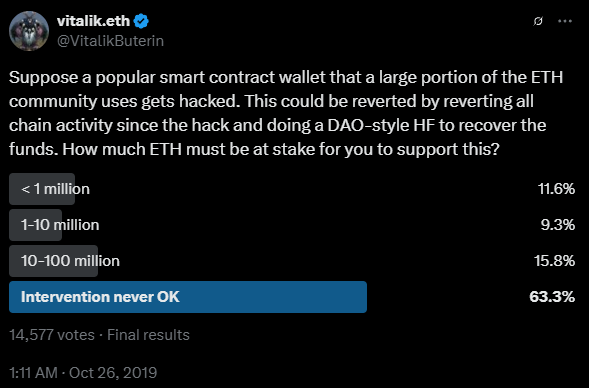
Голосование на странице Виталика Бутерина в X
Снова на те же грабли
Несмотря на то, что сообщество каждый раз отвергает идею об откатах, эта тема продолжает регулярно всплывать. В феврале 2025 года, после взлома биржи ByBit на $1,5 млрд, который стал крупнейшим в истории, многие публичные персоны вновь призвали к откату сети до момента взлома, чтобы не дать хакерам возможность завладеть криптовалютой.
Одним из первых в поддержку этой идеи высказался генеральный директор Jan3 Сэмсон Моу. На своей странице в X он написал следующее: “Полностью поддерживаю откат цепочки транзакций Ethereum (снова)”. Не сдержался и печально известный сооснователь биржи BitMEX Артур Хейс. Он обратился к Виталику Бутерину с призывом одобрить откат блокчейна. Аргументировал призыв примерно так: “Если в 2016 сделали, почему сейчас нельзя?”.
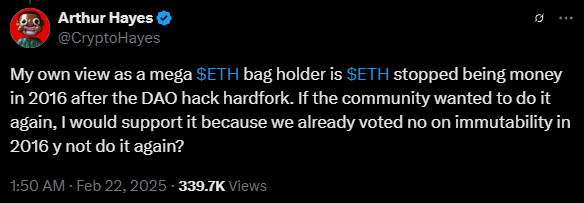
Призыв Артура Хейса в X
Генеральный директор ByBit Бен Чжоу, которая потеряла $1,5 млрд, был более сдержанным. По его мнению, решение об откате блокчейна Ethereum не должно приниматься централизованно, как это было сделано в 2016 году. Чжоу предложил сообществу провести голосование, однако оно так и не было проведено.
Почему сеть Ethereum больше нельзя откатить
Технически откат цепочки транзакций в Ethereum возможен. Разработчики сети могут сделать это централизованно, либо привлечь сообщество к диалогу. Но есть ряд причин, которые значительно усложняют этот процесс и фактически делают его невозможным:
- Минус доверие. В случае отката сети вновь встанет вопрос об истинной децентрализации Ethereum;
- Угроза разделения. Как и в 2016 году некоторые валидаторы могут выступить против отката и продолжить оригинальную цепочку транзакций. В этом случае сеть Ethereum вновь разделится на две цепочки;
- Технические нюансы. На базе Ethereum построена целая экосистема из децентрализованных приложений и решений второго уровня (L2), например Polygon и Arbitrum. Откат блокчейна может парализовать работу экосистемы и привести к многочисленным сбоям.
Одним из главных открытых вопросов остается судьба обычных пользователей Ethereum в случае отката сети. Даже если бы цепочку транзакций откатили на следующий день после взлома — десятки тысяч пользователей, совершавших транзакции в этот период, оказались бы в затруднительном положении.
Технические специалисты до сих пор не могут оценить последствия возможного отката сети Ethereum для кроссчейн-мостов и других сложных технологических децентрализованных решений. При использовании кроссчейн-моста для перевода криптовалюты из одной сети в другую — монеты блокируются в оригинальном блокчейне и используются в качестве обеспечения для выпуска активов в другой сети. В случае отката, выпущенные в этот период активы, лишаться обеспечения. Хакеры, взломавшие ByBit, использовали для отмывания похищенной криптовалюты именно такие сложные децентрализованные решения, поскольку это помогло им на некоторое время скрыть цепочку перемещения средств.

Как отмыть крипту на $1,5 млрд за 5 простых шагов. Кейс Lazarus Group
Криптобирже Bybit удалось заблокировать только $42,8 млн. Это менее 3% от общей стоимости украденных активов
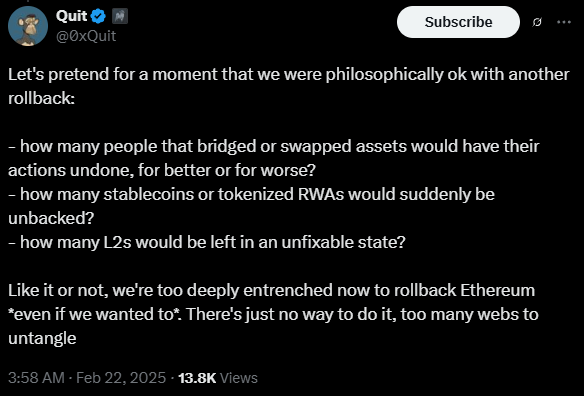
Мнение блокчейн-разработчика о невозможности отката Ethereum
Моральный аспект
Часть криптосообщества негативно восприняла идею об откате Ethereum для возмещения убытков ByBit. Это аргументировано тем, что взлом биржи не может быть достаточной причиной для игнорирования принципа децентрализации. Так высказался один из L2-разработчиков.
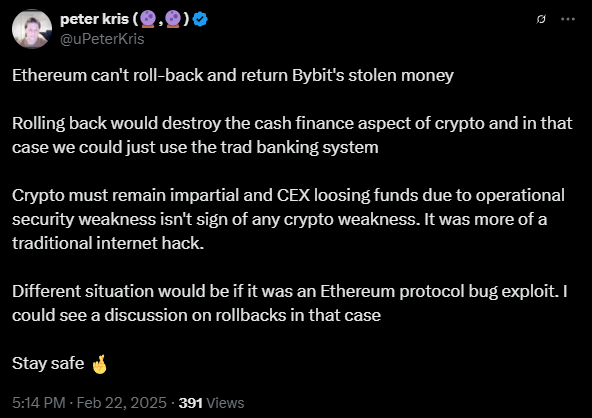
Мнение L2-разработчика Питера Криса в X
Спросили нейросеть
Следуя популярным трендам решили спросить ChatGPT-4o возможен ли откат сети Ethereum и чем он может грозить. Нейросеть считает откат цепочки транзакций технически возможным, но разрушительным для сети, поскольку:
- Потерянные блоки и удаленные транзакции могут привести к отказу смарт-контрактов;
- Децентрализованные приложения, использующие эти смарт-контракты, перестанут функционировать;
- Откатом сети могут воспользоваться хакеры и арбитражные MEV-боты.
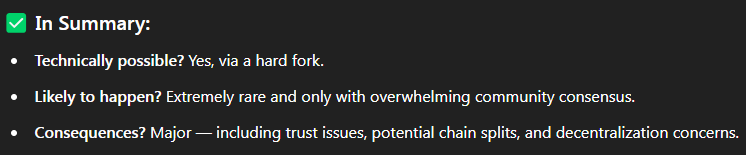
Итоги моделирования отката Ethereum от нейросети

Полезный материал?
Расследования
Один и тот же криптовалютный адрес получил две полностью противоположные оценки от разных аналитических систем: от обычного сервиса азартных игр до крайне тяжкого уголовного преступления. Эта история стала поводом для обсуждения того, какими должны быть научные стандарты анализа блокчейна и почему ошибки в подобных системах способны повлиять на судьбы людей
1 июл. 2026 г.
Расследования
Блокчейн помог выявить связи между криптовалютными сборами средств, обменниками в Сирии и посредниками в нескольких странах мира. Обнаружена характерная схема, при которой одни и те же адреса использовались сразу в нескольких кампаниях по сбору пожертвований
24 июн. 2026 г.
Расследования
Четыре иранские криптовалютные биржи обеспечивали около 78% всего объема цифровых активов, связанных со страной в 2025 году. Теперь они оказались в центре крупнейшей санкционной кампании США против криптовалютной инфраструктуры Ирана.
5 июн. 2026 г.
Расследования
На публичных блокчейнах уже работает финансовая система с кредитами, аналогами облигаций США и автоматическими рынками капитала. Через DeFi-протоколы прошло более $551 млрд, но большая часть этой активности связана не с экономикой, а со спекулятивным наращиванием рисков
29 мая 2026 г.
Расследования
Около 97% китайских поставщиков химических веществ для производства фентанила принимают оплату в криптовалюте. Объем таких операций продолжает расти вместе с глобальным рынком синтетических наркотиков
22 мая 2026 г.
Расследования
Новый закон впервые делает блокчейн-аналитику официальным обязательным инструментом финансового контроля в США. Власти также получат право ограничивать операции с иностранными криптосервисами, связанными с рисками отмывания денег
20 мая 2026 г.
Курсы криптовалют
-

Bitcoin
$84 575
BTC
+1.23%
-

Ethereum
$2 700.06
ETH
+0.4%
-

BNB Smart Chain
$769.25
BSC
+0.04%
-

Ripple
$1.42
XRP
+1.04%
-

TRON
$0.334212
TRX
-1.04%
-

Zcash
$1 320.62
ZEC
-7.05%
-

Dogecoin
$0.093306
DOGE
-1.65%
-

Cardano
$0.218269
ADA
+2.11%
-

Stellar XLM
$0.184461
XLM
+2.83%
-

Bitcoin Cash
$305.49
BCH
-0.38%