

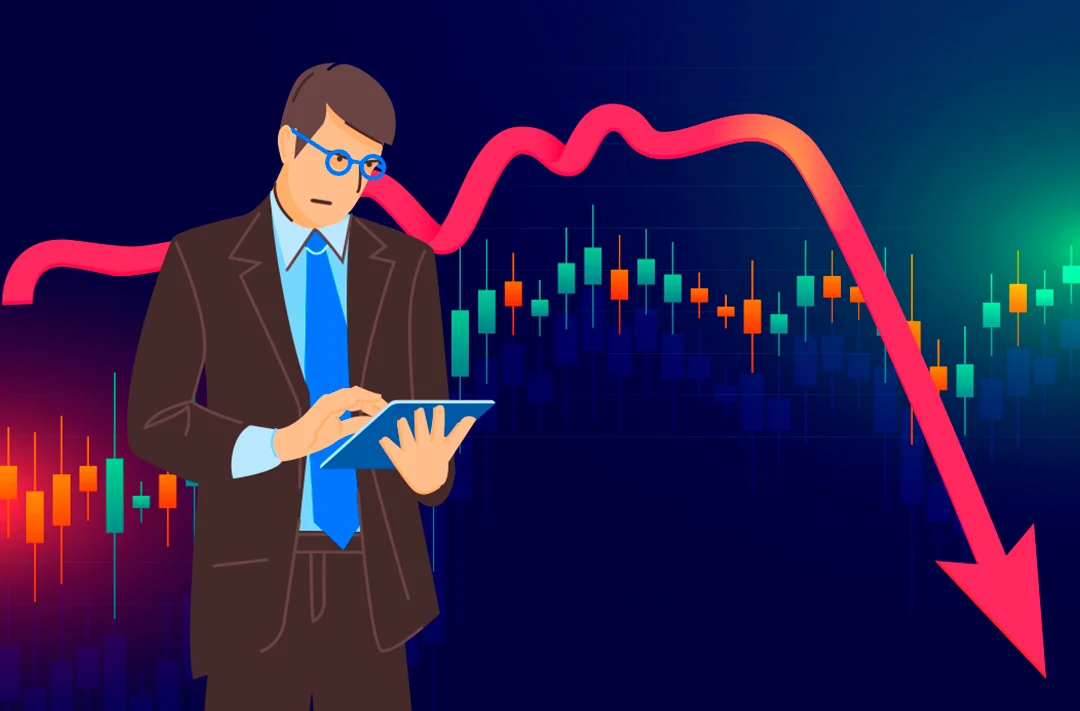
BONK meme token copy’s rate crashes almost by 97%
Both tokens have the same ticker, but operate on different networks and are traded on different exchanges
18.01.2023 - 11:15
686
3 min
0
What’s new? On January 18, the news channel PeckShieldAlert, which is dedicated to hacking and scams, reported that the BONK token fell by 96,9%. Various media outlets managed to spread the news. However, it later emerged that there was a mix-up with two tokens and that the original Bonk Inu (BONK) token, which runs on the Solana blockchain, is fine.
#PeckShieldAlert #slippage $BONK has dropped -96.9%. Be Alert! https://t.co/dLlQgVnu5r pic.twitter.com/pT6uPDDt4F
— PeckShieldAlert (@PeckShieldAlert) January 18, 2023
Details of the incident. The screenshot of PeckShieldAlert shows a chart of the token on the decentralized exchange (DEX) QuickSwap paired with USDC. Despite the match in coin tickers, the BONK scam token on QuickSwap has a different contract address than the original. In addition, the networks are also different: the original BONK runs on the Solana blockchain, while the scam token runs on Ethereum.
For example, PeckShieldAlert tweeted a link to a transaction on the Polygon network, a Layer 2 (L2) solution based on the Ethereum blockchain. According to Polygonscan, 79 370 wrapped MATIC (WMATIC) tokens were exchanged for 1 million BONK scam tokens on QuickSwap on January 18.
What is known about the original project? Bonk Inu (BONK) is a meme coin “created by people for people.” 50% of the total issuance during the airdrop was given to the Solana community. According to the creators of the project, they were “tired of toxic “Alameda” tokenomics and wanted to make a fun memecoin where everyone gets a fair shot.” BONK is trading at $0,000001279 as of 11:20 UTC on January 18, down by 3,71% in 24 hours (CoinMarketCap’s data). Hedge fund Alameda, part of the bankrupt FTX Group, was one of Solana’s biggest investors.
In December 2022, the CLIFF token collapsed by 98% after investors’ funds were stolen by the creators of the project. Scammers used the Rug Pull scheme to defraud altcoin buyers. In July, the Teddy Doge token creators implemented the same scheme, stealing $4,5 million from investors.
In August, the token of the blockchain game Dragoma collapsed by 99% due to asset theft, with PeckShield analysts suggesting that the project’s developers were behind the withdrawal. In the same month, the creators of the SudoRare protocol used the Rug Pull scheme. They withdrew $845 000 in cryptocurrency from the project.

Useful material?
 Telegram
  Twitter
 Incidents
Developers warned of potential risks to bridges across the ecosystem and asked exchanges for assistance.
Jun 22, 2026
Incidents
The defendant helped move funds stolen through investment scams and earned at least $4 million for his role in the operation.
Jun 10, 2026
Incidents
The company is linking the incident to a compromised private key on a service wallet, rather than a smart contract exploit
May 22, 2026
Incidents
Following the incident, the project temporarily halted trading operations and node activity.
May 15, 2026
Incidents
The user spent weeks unsuccessfully trying to guess the password until Claude helped find an old wallet backup file
May 14, 2026
Crypto regulations
Authorities are introducing mandatory registration for companies handling cross-border crypto transactions
May 8, 2026
Cryptocurrency rates
-

Bitcoin
$84 847
BTC
+0.57%
-

Ethereum
$2 687.56
ETH
+1.01%
-

BNB Smart Chain
$788.18
BSC
+3.1%
-

Ripple
$1.42
XRP
+1.04%
-

TRON
$0.335722
TRX
+0.35%
-

Zcash
$1 327.58
ZEC
+3.53%
-

Dogecoin
$0.093237
DOGE
+2.01%
-

Cardano
$0.218269
ADA
+2.11%
-

Stellar XLM
$0.184461
XLM
+2.83%
-

Bitcoin Cash
$316.52
BCH
+3.66%