

Как США за один день стали богаче на $15 млрд в BTC. Все о крипторезерве
Американские власти конфисковали более 127 тыс. биткоинов и включили их в свой стратегический крипторезерв
15.10.2025
402
13 мин
0
Власти США конфисковали биткоины на $15 млрд, которые были изъяты у международной группировки мошенников, действовавшей преимущественно в азиатском регионе. GetBlock AML Research объясняет, как США всего за один день стали богаче на $15 млрд.
Соединенные Штаты и Великобритания отчитались о крупнейшей в истории совместной операции против масштабной сети онлайн-мошенничества, торговли людьми и отмывания денег через криптовалюту в Юго-Восточной Азии.
Операция стала беспрецедентной по масштабу и охватила сразу несколько направлений — уголовные обвинения, санкции и финансовые меры.
Американские прокуроры предъявили обвинения известному камбоджийскому бизнесмену Чену Чжи, владельцу холдинга Prince Group, которого обвиняют в создании мировой сети мошенничества и принудительного труда.
Министерство юстиции США объявило о самой крупной конфискации в истории — 127 271 биткоин на сумму около $15 млрд. Министерство финансов США ввело санкции против 146 человек и компаний, связанных с сетью Prince Group.
Кроме того, отдельное решение финансового управления признало другую камбоджийскую компанию — Huione Group — организацией, участвующей в массовом отмывании денег.

Чен Чжи, владелец холдинга Prince Group
Одновременно Великобритания заморозила активы фигурантов и ввела запрет на въезд в страну для ряда лиц. Все это стало частью общей стратегии по разрушению международной инфраструктуры преступных схем.
За последние годы мошенники в Юго-Восточной Азии создали огромную индустрию обмана — от фальшивых инвестиций до «романтических» схем, когда жертву обманывают через доверительные отношения в интернете. По оценкам, объем средств, прошедших через подобные схемы, составляет десятки миллиардов долларов.
Как устроена сеть Prince Group
В центре расследования — Чен Чжи, гражданин Камбоджи и глава холдинга Prince Group. По данным следствия, он и его партнеры управляли многомиллиардной схемой, в рамках которой тысячи людей содержались в специальных лагерях на территории Камбоджи, Мьянмы и Лаоса.
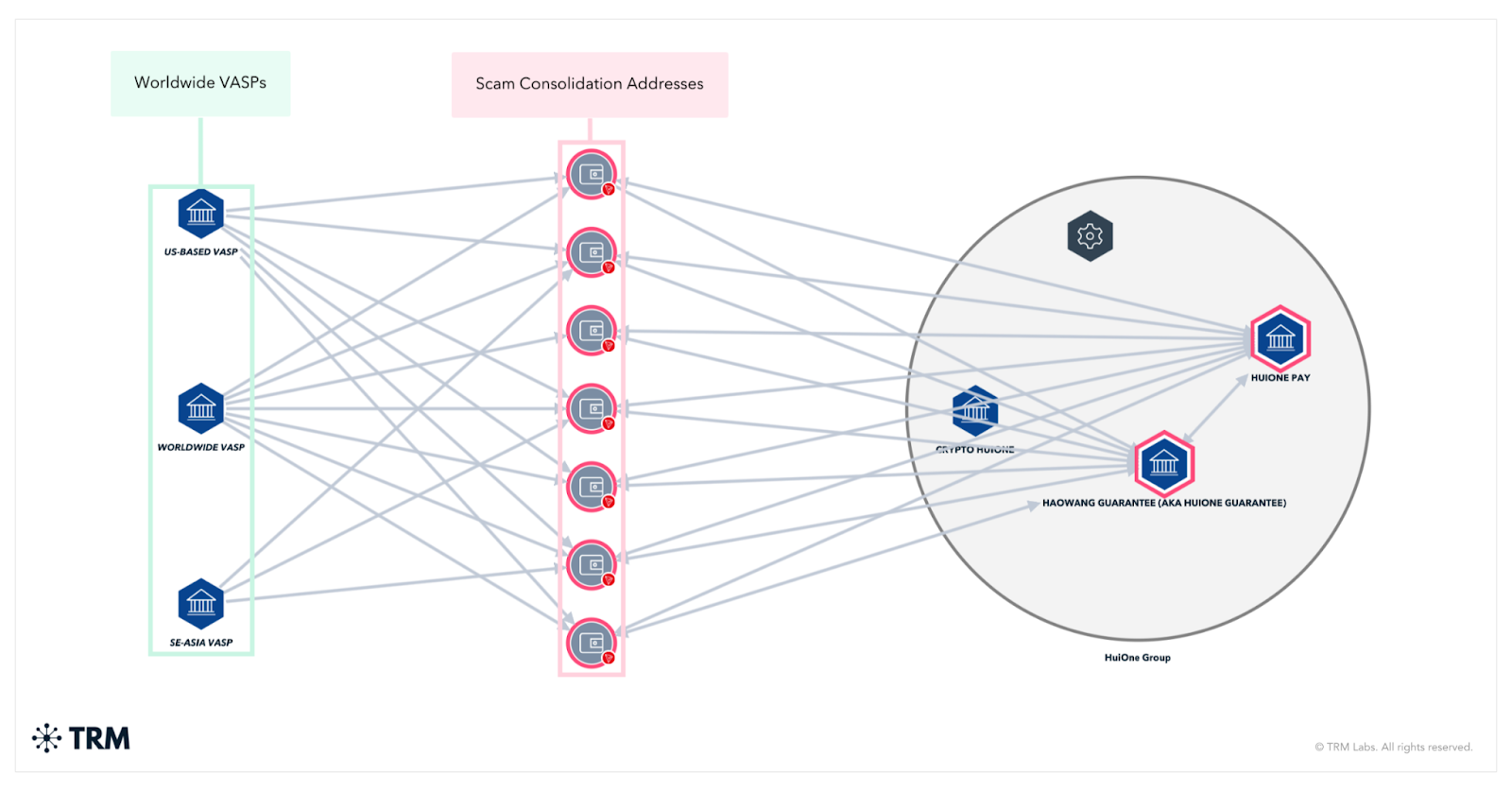
Схема отмывания грязной криптовалюты Prince Group
Жертв заставляли участвовать в мошеннических схемах, выдавая себя за инвесторов или «партнеров» в интернете и втягивая других людей в поддельные криптоинвестиционные проекты.
Многие из этих центров охранялись вооруженными людьми. Рабочих избивали, продавали другим группировкам или заставляли работать силой.
Санкции США
Параллельно Министерство финансов США ввело широкомасштабные санкции против 146 человек и компаний, связанных с так называемой «Транснациональной преступной организацией Prince Group». Среди фигурантов — сам Чен Чжи, его топ-менеджеры, а также десятки подставных фирм, зарегистрированных в Камбодже, Гонконге, Сингапуре, на Британских Виргинских островах и в ОАЭ.
Под санкции попали также ключевые компании холдинга — Prince Bank Plc, Prince Real Estate Group и их дочерние структуры. Санкции означают, что все активы этих лиц и организаций на территории США замораживаются, а американским гражданам и компаниям запрещено вести с ними любые финансовые операции.
Кроме того, в санкционный список были включены четыре биткоин-кошелька, которые использовались для перевода и сокрытия средств, полученных от мошеннических схем. Теперь эти кошельки заблокированы для всех регулируемых бирж и сервисов по всему миру.
Huione Group признана центром отмывания денег
В тот же день американские власти предприняли дополнительный шаг: компания Huione Group, также базирующаяся в Камбодже, официально признана участником международных схем по отмыванию денег.

Huione Group наносит ответный удар. Власти США остались ни с чем
FinCEN пыталась прекратить работу камбоджийской компании, замешанной в отмывании средств, но у нее это не получилось
Следствие установило, что через структуры Huione проходили миллиарды долларов подозрительных переводов, связанных с интернет-мошенничеством, торговлей людьми и киберпреступлениями. Некоторые операции Huione, по данным властей, использовались для сокрытия средств, похищенных хакерами, связанными с Северной Кореей.
HuionePay illegally processed $55 billion worth of transactions. Full on-chain analysis
A unit of the sanctioned Huione Group created an extensive network of addresses that were used to receive and send cryptocurrency
После этого решения американским банкам запрещено работать с Huione Group, что фактически отрезает компанию от международной финансовой системы.
Обвинения и рекордная конфискация
Министерство юстиции США предъявило Чену Чжи уголовные обвинения в мошенничестве и отмывании денег. По данным прокуратуры, в лагерях под его контролем людей держали против воли и заставляли обманывать инвесторов со всего мира, втягивая их в фальшивые криптоинвестиции. Сам Чен Чжи находится в бегах.
Одновременно с этим американская прокуратура подала гражданский иск о конфискации 127 271 биткоина (примерно $15 млрд) — это средства, полученные в результате мошенничества и отмывания денег.
Эти биткоины хранились на 25 криптокошельках, которыми управлял сам обвиняемый. Сейчас они находятся под контролем правительства США. Это — самая крупная конфискация в истории Министерства юстиции США.
|
Конфискованные кошельки |
Что будет с конфискованными биткоинами
Изъятые в пользу правительства США биткоины теперь находятся в американском стратегическом крипторезерве.
Почему США задумались о таком резерве
В течение последних лет правоохранительные органы США и другие ведомства все чаще получали под контроль крупные суммы криптовалют в результате расследований (вымогательство, даркнет, кражи, отмывание). Параллельно развивалась политика регулирования цифровых активов и интерес к тому, чтобы использовать изъятые криптоактивы не просто как «замороженные» доказательства, а как часть финансовых ресурсов, которые можно аккумулировать и при определенных сценариях применять в государственной политике. На уровне администрации и профильных ведомств появились документы и обсуждения, призывающие к созданию целевых подходов к управлению «гос-криптоактивами», включая обеспечение прозрачности, хранения и возможности использования в интересах государства.
Какие криптовалюты могут войти в резерв. На практике первыми в такой корзине рассматриваются наиболее ликвидные и широко используемые активы:
- Bitcoin (BTC) — основная ставка для долгосрочного хранения и «стратегического» резерва;
- Ethereum (ETH) — вторая по капитализации и ликвидности валюта;
- крупные ликвидные токены (USDC/USDT для торговых операций, возможно — Solana, XRP, ADA и др.), если законодательство и внутренняя политика позволят их держать/переводить. Выбор будет зависеть от ликвидности, юридических ограничений и задач: хранение стоимости, использование в межведомственных операциях, компенсации пострадавшим и пр.
Из чего состоит крипторезерв США
Основные источники — это крупные уголовные дела и гражданские иски о конфискации: закрытие даркнет-маркетов (Silk Road и пр.), изъятия у хакеров и мошенников (например, в результате взломов бирж или массовых мошенничеств), а также имущественные преследования в рамках санкций и уголовных дел.
|
Объем стратегического крипторезерва США на 15.10.2025 |
|
325 283 BTC (эквивалент $37 млрд) |

Полезный материал?
Расследования
Один и тот же криптовалютный адрес получил две полностью противоположные оценки от разных аналитических систем: от обычного сервиса азартных игр до крайне тяжкого уголовного преступления. Эта история стала поводом для обсуждения того, какими должны быть научные стандарты анализа блокчейна и почему ошибки в подобных системах способны повлиять на судьбы людей
1 июл. 2026 г.
Расследования
Блокчейн помог выявить связи между криптовалютными сборами средств, обменниками в Сирии и посредниками в нескольких странах мира. Обнаружена характерная схема, при которой одни и те же адреса использовались сразу в нескольких кампаниях по сбору пожертвований
24 июн. 2026 г.
Расследования
Четыре иранские криптовалютные биржи обеспечивали около 78% всего объема цифровых активов, связанных со страной в 2025 году. Теперь они оказались в центре крупнейшей санкционной кампании США против криптовалютной инфраструктуры Ирана.
5 июн. 2026 г.
Расследования
На публичных блокчейнах уже работает финансовая система с кредитами, аналогами облигаций США и автоматическими рынками капитала. Через DeFi-протоколы прошло более $551 млрд, но большая часть этой активности связана не с экономикой, а со спекулятивным наращиванием рисков
29 мая 2026 г.
Расследования
Около 97% китайских поставщиков химических веществ для производства фентанила принимают оплату в криптовалюте. Объем таких операций продолжает расти вместе с глобальным рынком синтетических наркотиков
22 мая 2026 г.
Расследования
Новый закон впервые делает блокчейн-аналитику официальным обязательным инструментом финансового контроля в США. Власти также получат право ограничивать операции с иностранными криптосервисами, связанными с рисками отмывания денег
20 мая 2026 г.
Курсы криптовалют
-

Bitcoin
$82 368
BTC
+0.39%
-

Ethereum
$2 424.62
ETH
+0.27%
-

BNB Smart Chain
$724.18
BSC
+0.22%
-

Ripple
$1.42
XRP
+1.04%
-

TRON
$0.330843
TRX
-0.66%
-

Zcash
$1 142.1
ZEC
+0.9%
-

Dogecoin
$0.079167
DOGE
-0.21%
-

Cardano
$0.218269
ADA
+2.11%
-

Stellar XLM
$0.184461
XLM
+2.83%
-

Bitcoin Cash
$277.8
BCH
+0.8%