


Как крипторынок потерял $20 млрд в результате ликвидаций. Полное расследование
Рынок цифровых активов отреагировал на заявление президента США Дональда Трампа о введении дополнительных 100%-х пошлин на китайские товары

13.10.2025
456
5 мин
0
10 октября был зафиксирован крупнейший за всю историю крипторынка суточный объем ликвидаций — почти $20 млрд. Эту сумму потеряли трейдеры, которые ранее открывали длинные позиции. GetBlock AML Research объясняет, что именно произошло на рынке и почему этот обвал стал крупнейшим в истории.
Что произошло
10 октября стоимость биткоина опускалась более чем на 15% (до $102 тыс.), а цена Ethereum снижалась почти на 22% (до $3450). Курс альткоинов обвалился на 20-70%, спровоцировав каскадную волну ликвидаций. По оценкам разных аналитических сервисов, общий суточный объем ликвидаций на крипторынке составил почти $20 млрд. Обвал рынка произошел после того, как президент США Дональд Трамп объявил о новых 100%-х пошлинах на все китайские товары сверх уже действующих тарифов.
Однако реальный объем ликвидаций может быть намного выше, считает основатель Hyperliquid Джефф Янь. По его словам, централизованные биржи намеренно занижают объемы ликвидаций в сотни раз.

Заявление основателя Hyperliquid
В результате обвала крипторынка пользователи Hyperliquid потеряли $1,23 млрд. Более 1000 кошельков были полностью опустошены в результате маржин-коллов. Убытки понесли более 6300 кошельков, а 205 адресов потеряли более $1 млн.
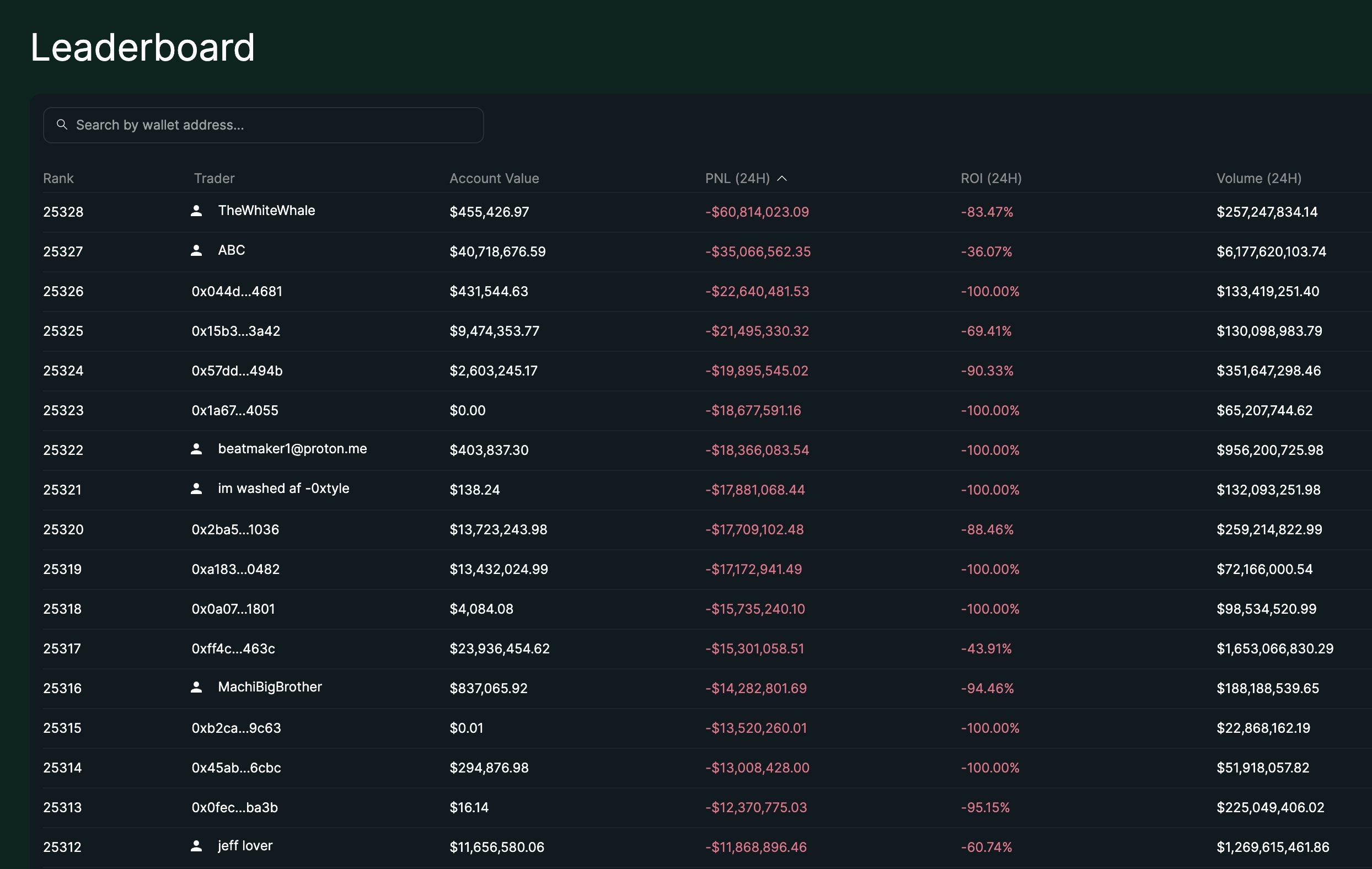
Потери пользователей Hyperliquid в реальном времени
Атака на Binance
На момент написания статьи одной из главных причин масштабного обрушения крипторынка считается спланированная атака на ликвидность Binance и ее маркетмейкеров через стейблкоин USDe. Массовые продажи USDe запустили каскадный механизм ликвидаций трейдеров на Binance, которая использует стейблкоин в качестве обеспечения для позиций с кредитным плечом. В момент обрушения крипторынка USDe потерял привязку к доллару США, стоимость стейблкоина снижалась до $0,65.
В результате манипуляций с USDe были ликвидированы позиции клиентов Binance в программе Earn, которая позволяет предоставлять платформе ликвидность в обмен на пассивный доход. Binance признала ошибку со своей стороны и согласилась выплатить пользователям компенсации в размере $283 млн.

Binance выплатила $283 млн компенсации пострадавшим пользователям после обвала рынка
Биржа подтвердила, что волатильность 10 октября вызвала кратковременную отвязку активов, и пообещала внедрить новые меры защиты от подобных инцидентов
Инсайдерская торговля
К обрушению крипторынка может быть причастен один из трейдеров Hyperliquid, который открыл крупную шорт-позицию по BTC всего за полчаса до заявления Трампа. В результате трейдеру удалось заработать более $200 млн. Позже стала известна настоящая личность загадочного инсайдера. Им оказался экс-глава биржи BitForex Гаррет Джин. Сама биржа прекратила деятельность в 2024 году после того, как ее топ-менеджеров и разработчиков арестовала китайская полиция.

Гаррет Джин, экс-глава биржи BitForex

Полезный материал?
Расследования
Один и тот же криптовалютный адрес получил две полностью противоположные оценки от разных аналитических систем: от обычного сервиса азартных игр до крайне тяжкого уголовного преступления. Эта история стала поводом для обсуждения того, какими должны быть научные стандарты анализа блокчейна и почему ошибки в подобных системах способны повлиять на судьбы людей
1 июл. 2026 г.
Расследования
Блокчейн помог выявить связи между криптовалютными сборами средств, обменниками в Сирии и посредниками в нескольких странах мира. Обнаружена характерная схема, при которой одни и те же адреса использовались сразу в нескольких кампаниях по сбору пожертвований
24 июн. 2026 г.
Расследования
Четыре иранские криптовалютные биржи обеспечивали около 78% всего объема цифровых активов, связанных со страной в 2025 году. Теперь они оказались в центре крупнейшей санкционной кампании США против криптовалютной инфраструктуры Ирана.
5 июн. 2026 г.
Расследования
На публичных блокчейнах уже работает финансовая система с кредитами, аналогами облигаций США и автоматическими рынками капитала. Через DeFi-протоколы прошло более $551 млрд, но большая часть этой активности связана не с экономикой, а со спекулятивным наращиванием рисков
29 мая 2026 г.
Расследования
Около 97% китайских поставщиков химических веществ для производства фентанила принимают оплату в криптовалюте. Объем таких операций продолжает расти вместе с глобальным рынком синтетических наркотиков
22 мая 2026 г.
Расследования
Новый закон впервые делает блокчейн-аналитику официальным обязательным инструментом финансового контроля в США. Власти также получат право ограничивать операции с иностранными криптосервисами, связанными с рисками отмывания денег
20 мая 2026 г.
Курсы криптовалют
-

Bitcoin
$83 967
BTC
-0.15%
-

Ethereum
$2 688.58
ETH
+0.51%
-

BNB Smart Chain
$774.45
BSC
+0.35%
-

Ripple
$1.42
XRP
+1.04%
-

TRON
$0.337426
TRX
-0.29%
-

Zcash
$1 533.9
ZEC
-1.56%
-

Dogecoin
$0.097979
DOGE
+2.9%
-

Cardano
$0.218269
ADA
+2.11%
-

Bitcoin Cash
$337.66
BCH
+0.11%
-

Stellar XLM
$0.184461
XLM
+2.83%