

OpenSea to return $1,8 million to users who lost NFT due to an exploit
Fixing the “inactive listing” issue is a top priority for the company
29.01.2022 - 09:15
533
1 min
0
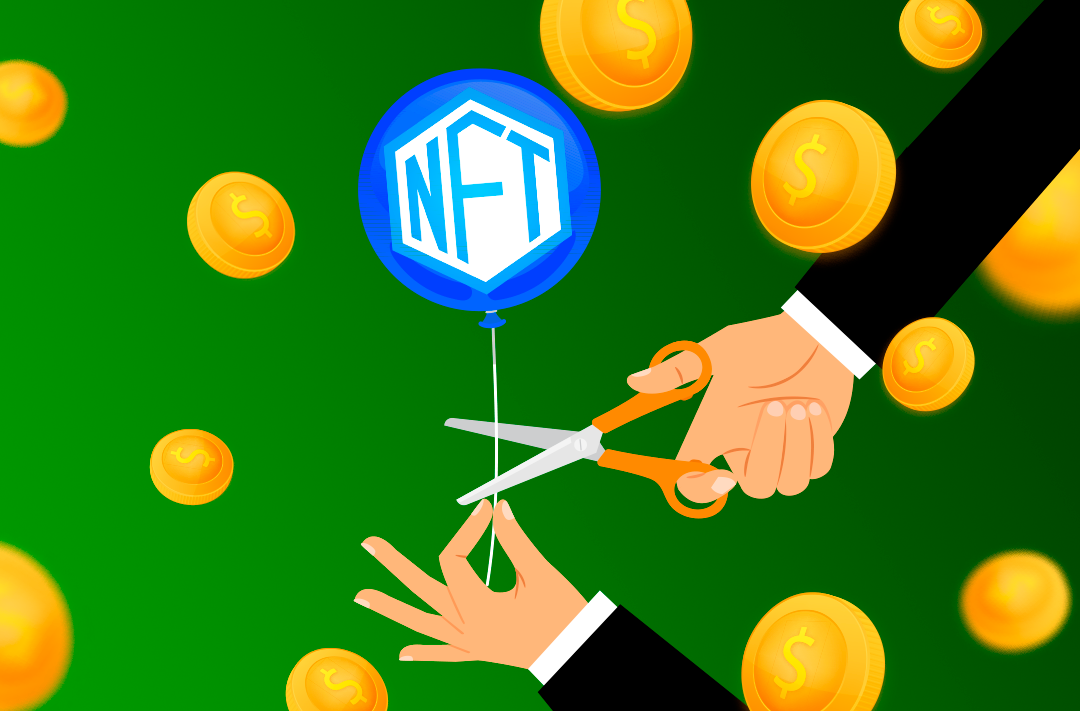
What’s new? The OpenSea NFT marketplace reimbursed 750 ETH (about $1,8 million) to users affected by the platform’s bug. An “inactive listing” exploit allowed tokens to be bought at old, underpriced prices. One of the unscrupulous users made 340 ETH from this, Fortune reports.
How does the exploit work? Previously, the OpenSea users could not select an expiry date of the auction, so their NFTs had to be manually removed from the auction. These actions required a gas fee, but the users found a loophole. If they transferred a token from one of their wallets to another, the listing disappeared in the user interface.
But in reality, the lot simply went from “active” to “inactive.” And such lots can still be bought through direct interaction with smart contracts. So the experienced users could buy NFTs at the old low prices.
What did OpenSea do? The company advised users to check and cancel their “inactive” listings immediately. The users were unhappy, as the commission for withdrawing the lot was as high as 15 ETH.
OpenSea refunded the affected users the money they had spent on gas or lost because of the exploit. OpenSea co-founder Alex Atallah stated:
“Fixing this issue is our company’s top priority. We have a team working on it and putting up a countermeasure now.”

Useful material?
 Telegram
  Twitter
 Incidents
Developers warned of potential risks to bridges across the ecosystem and asked exchanges for assistance.
Jun 22, 2026
Incidents
The defendant helped move funds stolen through investment scams and earned at least $4 million for his role in the operation.
Jun 10, 2026
Incidents
The company is linking the incident to a compromised private key on a service wallet, rather than a smart contract exploit
May 22, 2026
Incidents
Following the incident, the project temporarily halted trading operations and node activity.
May 15, 2026
Incidents
The user spent weeks unsuccessfully trying to guess the password until Claude helped find an old wallet backup file
May 14, 2026
Crypto regulations
Authorities are introducing mandatory registration for companies handling cross-border crypto transactions
May 8, 2026
Cryptocurrency rates
-

Bitcoin
$85 510
BTC
-0.37%
-

Ethereum
$2 696.87
ETH
-0.65%
-

BNB Smart Chain
$778.74
BSC
-0.93%
-

Ripple
$1.42
XRP
+1.04%
-

TRON
$0.33529
TRX
-0.26%
-

Zcash
$1 368.28
ZEC
+1.02%
-

Dogecoin
$0.093822
DOGE
-1.51%
-

Cardano
$0.218269
ADA
+2.11%
-

Stellar XLM
$0.184461
XLM
+2.83%
-

Bitcoin Cash
$311.74
BCH
-1.4%