

Russia required election candidates to provide data on their digital assets
President Vladimir Putin’s decree came into force from the moment of its signing on May 9, 2022
09.05.2022 - 15:40
714
2 min
0
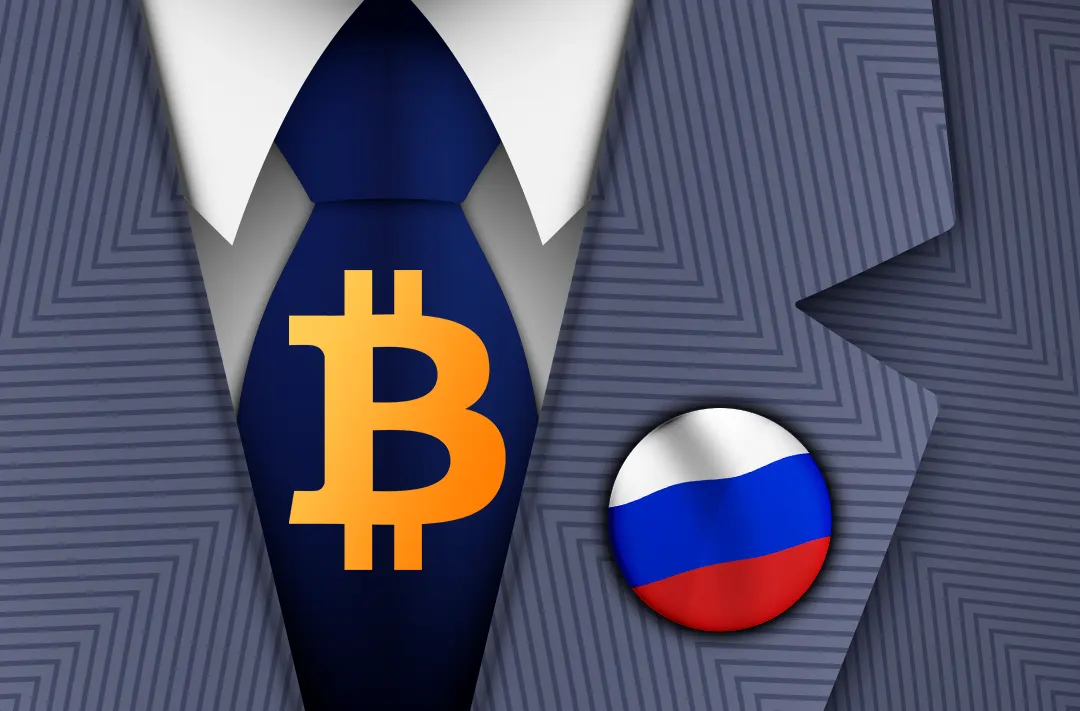
What’s new? Russian President Vladimir Putin has signed a decree that expands the list of verifiable information on foreign properties, expenses, securities, and shares of candidates for elections at different levels. Data on cryptocurrency and digital assets are now also subject to verification for authenticity. The decree came into force from the moment of its signing on May 9, 2022.
What does the decree say? The document specifies that the request for verification of information received from candidates will now be sent not only to credit institutions, tax authorities, and banking structures but also to “information system operators in which digital financial assets are issued.” Candidates will be required to provide documents confirming the transactions:
“Regarding digital currency, information on the identification number, the date of the transaction, and the statement of the transaction, if available under applicable law, are submitted simultaneously with the certificate.”
What events happened before? On April 1, Russian President Vladimir Putin signed a law according to which all election candidates are required to report on transactions involving the purchase of cryptocurrencies. The State Duma passed the document on March 23 and it was approved by the Federation Council on the same day.
On February 18, the Ministry of Finance sent a draft federal law “On Digital Currency” to the Government. It sets out the rules for the circulation of cryptocurrencies and other digital assets in the country. If adopted, the law would come into force on January 1, 2023. For more details see GetBlock Magazine’s article.

Useful material?
 Telegram
  Twitter
 Incidents
In 104 minutes, the attacker emptied 1,404 addresses before validators halted the network and froze almost all of the loot.
Oct 19, 2026
Incidents
Developers warned of potential risks to bridges across the ecosystem and asked exchanges for assistance.
Jun 22, 2026
Incidents
The defendant helped move funds stolen through investment scams and earned at least $4 million for his role in the operation.
Jun 10, 2026
Incidents
The company is linking the incident to a compromised private key on a service wallet, rather than a smart contract exploit
May 22, 2026
Incidents
Following the incident, the project temporarily halted trading operations and node activity.
May 15, 2026
Incidents
The user spent weeks unsuccessfully trying to guess the password until Claude helped find an old wallet backup file
May 14, 2026
Cryptocurrency rates
-

Bitcoin
$80 745
BTC
-0.02%
-

Ethereum
$2 355.59
ETH
-0.85%
-

BNB Smart Chain
$741.38
BSC
+0.58%
-

Ripple
$1.42
XRP
+1.04%
-

TRON
$0.329051
TRX
-0.17%
-

Zcash
$1 207.77
ZEC
+2.85%
-

Dogecoin
$0.077736
DOGE
-1.16%
-

Cardano
$0.218269
ADA
+2.11%
-

Stellar XLM
$0.184461
XLM
+2.83%
-

Bitcoin Cash
$276.72
BCH
-1.44%