

229% inflation: how “Binance dollars” became Venezuela’s real currency
Hyperinflation and cash shortages have led to a widespread switch by Venezuelans to USDT digital dollars, whose exchange rate is now determined by Binance P2P

06.10.2025 - 12:00
660
3 min
0
Key points:
- With annual inflation at 229%, merchants have switched en masse to USDT payments at the Binance P2P rate.
- There is a shortage of physical dollars in the country, so payments are made through the Tron network with minimal fees.
Hyperinflation in Venezuela has made digital dollars the de facto currency of the country. Merchants, freelancers, and residents of Caracas now list prices in USDT, a stablecoin whose rate is tracked on Binance P2P.
There are three dollar exchange rates in the country — official, parallel, and P2P — but the latter has become the main one due to currency restrictions and fragmented liquidity pools. In essence, the country has moved to informal dollarization based not on cash but on blockchain.
What are “Binance dollars”?
In Venezuela, this is the name given to USDT stablecoins, whose exchange rate is based on Binance P2P quotes. For shops, freelancers, and housing management companies, this rate has become the de facto “official” exchange rate of the day. Although there are other OTC platforms in the country, it is Binance’s depth of liquidity that makes it the main benchmark for settlements.
Payments most often take place on the Tron (TRC-20) network — fees are minimal, wallets are widespread, and USDT is easier to obtain than rare paper dollars. Thus, digital dollars have occupied the niche of retail and household payments, especially among small businesses and freelancers.
How USDT replaced cash
Sharp price increases and the instability of the bolívar made settlements in fiat currency impossible. In May 2025, monthly inflation reached 26%, and from July 2024 to July 2025, the bolívar fell by 69%. Merchants began to fix prices in stablecoins to avoid daily price changes.
Sanctions and a shortage of physical dollars only reinforced the transition to digital. Receiving and storing USDT turned out to be easier than looking for banknotes, and transfers on the Tron network take seconds. The authorities have not formally legalized dollarization, but they turn a blind eye to settlements in dollar-backed cryptocurrency, considering it a necessary measure to support the domestic market.
How payments in USDT work
Prices in stores are listed in dollars, but the final amount is calculated using the Binance P2P rate. The buyer scans the seller’s QR code and transfers USDT to the TRC-20 address. The fee is minimal, and transaction confirmation takes seconds. Sellers decide whether to keep stablecoins, exchange them for bolívars to pay bills, or transfer them to suppliers.
This mechanism — quoting in dollars, converting via P2P, and instant transfer to TRC-20 — has become a daily practice for the country’s residents. In fact, Binance P2P has replaced the central bank as the source of the current exchange rate.
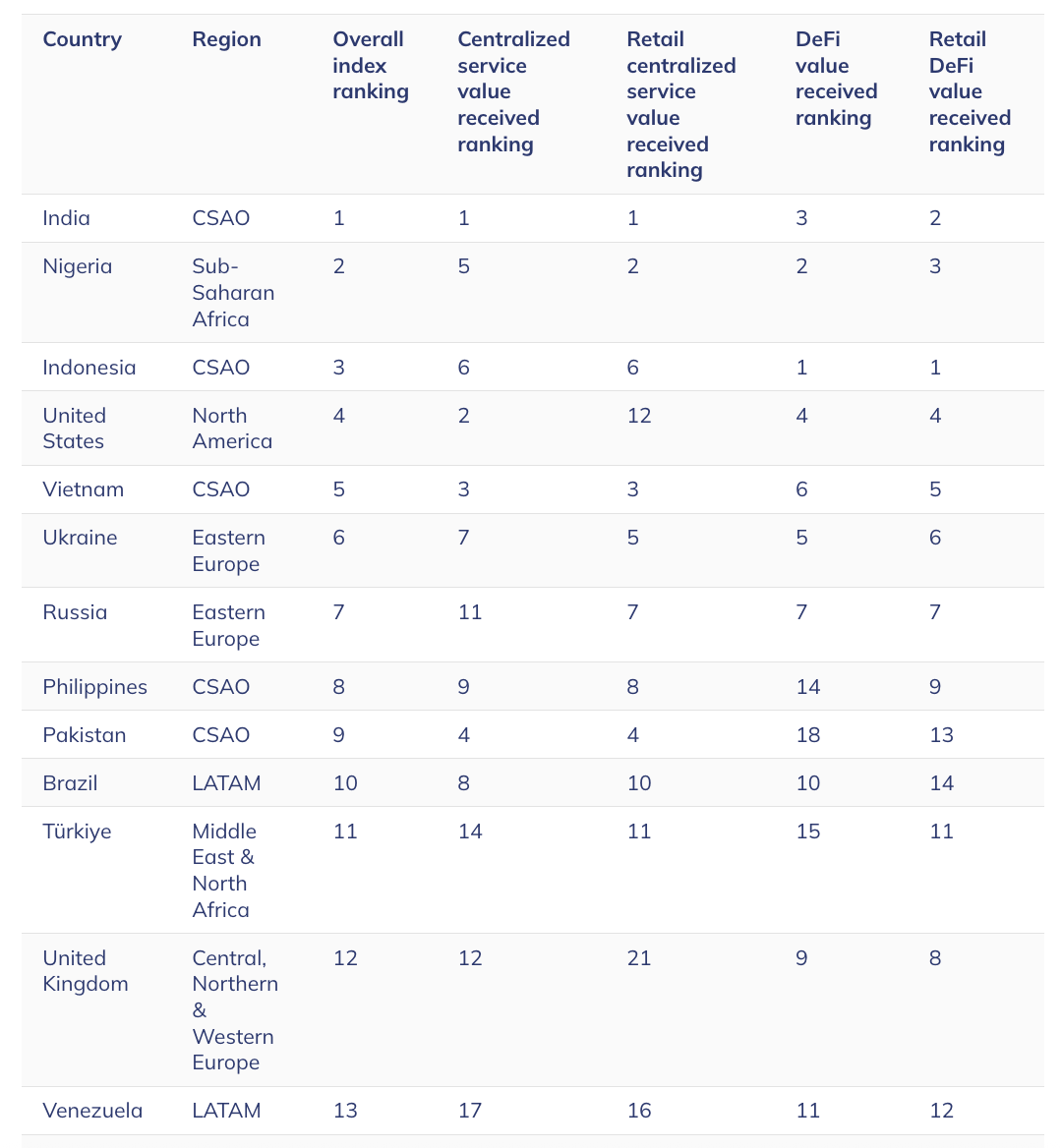
According to the Chainalysis 2024 Crypto Adoption Index report, Venezuela ranked 13th in the world in terms of cryptocurrency adoption. Over the year, the use of digital assets grew by 110%, and almost half of all small transactions are accounted for by stablecoins.

Useful material?
 Telegram
  Twitter
 Incidents
Developers warned of potential risks to bridges across the ecosystem and asked exchanges for assistance.
Jun 22, 2026
Incidents
The defendant helped move funds stolen through investment scams and earned at least $4 million for his role in the operation.
Jun 10, 2026
Incidents
The company is linking the incident to a compromised private key on a service wallet, rather than a smart contract exploit
May 22, 2026
Incidents
Following the incident, the project temporarily halted trading operations and node activity.
May 15, 2026
Incidents
The user spent weeks unsuccessfully trying to guess the password until Claude helped find an old wallet backup file
May 14, 2026
Crypto regulations
Authorities are introducing mandatory registration for companies handling cross-border crypto transactions
May 8, 2026
Cryptocurrency rates
-

Bitcoin
$83 064
BTC
+0.75%
-

Ethereum
$2 489.87
ETH
-1.47%
-

BNB Smart Chain
$740.08
BSC
-2.21%
-

Ripple
$1.42
XRP
+1.04%
-

TRON
$0.332202
TRX
-0.63%
-

Zcash
$1 218.25
ZEC
+0.86%
-

Dogecoin
$0.084751
DOGE
-2.77%
-

Cardano
$0.218269
ADA
+2.11%
-

Stellar XLM
$0.184461
XLM
+2.83%
-

Bitcoin Cash
$274.1
BCH
-7.57%