

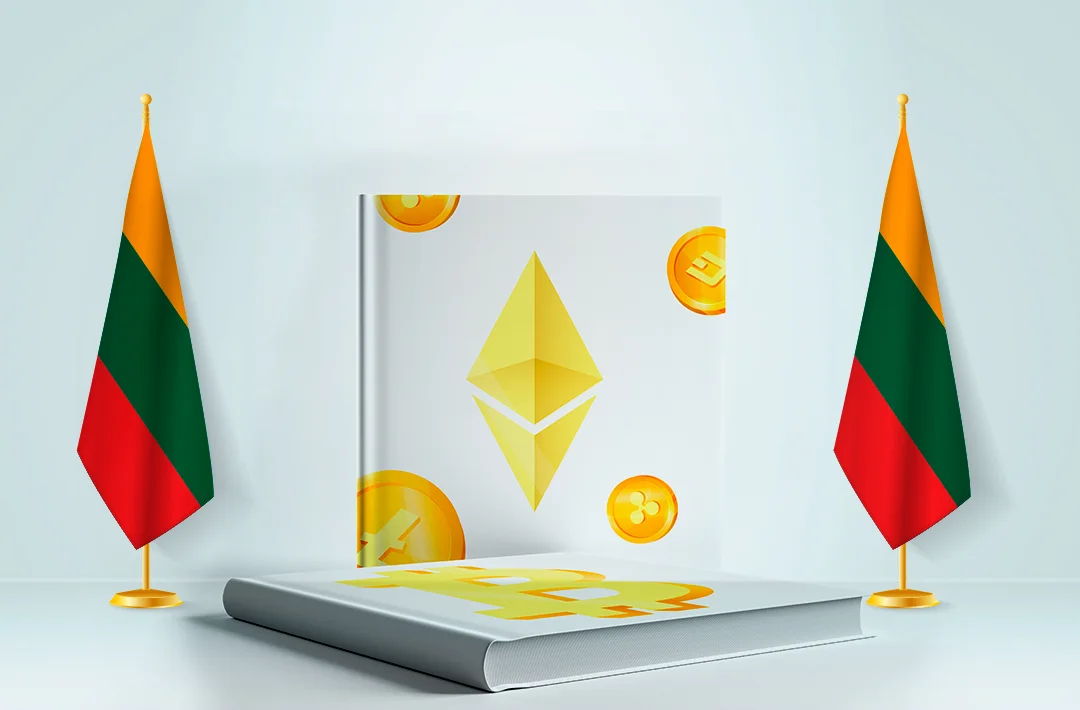
Crypto companies in Lithuania have been given until December 31 to obtain a license
Services without a license risk having their websites blocked and facing penalties up to and including imprisonment.
26.12.2025 - 10:45
462
2 min
0
Key points:
- Lithuania has required all crypto companies to obtain a MiCA license by December 31, otherwise their activities will be deemed illegal.
- The regulator is prepared to impose fines, block websites, and hold violators criminally liable.
- At the same time, less than 10% of registered crypto providers have been licensed, despite the country’s ambitions to become the EU’s crypto hub.
The Central Bank of Lithuania has reminded crypto companies that they must obtain a license by December 31. Those who fail to comply with this requirement will effectively find themselves outside the law.
The regulator emphasized that the country strictly follows European rules and implements MiCA regulations. All services working with crypto assets, exchanges, wallets, and other providers must be licensed. Vilnius urged companies not to delay submitting their applications until the last minute.
The transition period for obtaining permits will end at the end of 2025, but inspections will begin after December 31. Operating without a license will be considered illegal financial activity.
Responsibility for non-compliance
The Central Bank warned that violators face fines, website blocking, and even criminal liability. Under Lithuanian law, punishment may include imprisonment for up to four years.
Dalia Juškevičienė, head of the Investment Services and Undertakings Supervision Division at the Central Bank of Lithuania, suggested:
“Participants of the crypto-asset services market that do not plan to continue their operations should not delay and launch active communication campaigns to ensure that all of their clients are properly and timely informed of the winding down.”
From January 1, the registration of new users and the acceptance of crypto assets without a MiCA license will also be prohibited. The Bank of Lithuania reserves the right to restrict access to the websites of such companies and to pass on information about them to law enforcement agencies.
To date, about 30 companies have applied for licensing, which is less than 10% of the more than 370 registered crypto providers. At the same time, only about 120 of them are actually active and report income.
Lithuania seeks to consolidate its status as one of the key crypto hubs in the EU. In the 2025 World Crypto Rankings, compiled by the Bybit exchange, the country was among the top three jurisdictions. Latvia has similar ambitions: in December, it was reported that the annual turnover of the fintech sector had reached €400 million.

Useful material?
 Telegram
  Twitter
 Incidents
Developers warned of potential risks to bridges across the ecosystem and asked exchanges for assistance.
Jun 22, 2026
Incidents
The defendant helped move funds stolen through investment scams and earned at least $4 million for his role in the operation.
Jun 10, 2026
Incidents
The company is linking the incident to a compromised private key on a service wallet, rather than a smart contract exploit
May 22, 2026
Incidents
Following the incident, the project temporarily halted trading operations and node activity.
May 15, 2026
Incidents
The user spent weeks unsuccessfully trying to guess the password until Claude helped find an old wallet backup file
May 14, 2026
Crypto regulations
Authorities are introducing mandatory registration for companies handling cross-border crypto transactions
May 8, 2026
Cryptocurrency rates
-

Bitcoin
$84 823
BTC
+0.31%
-

Ethereum
$2 693.22
ETH
+0.68%
-

BNB Smart Chain
$785.93
BSC
+2.44%
-

Ripple
$1.42
XRP
+1.04%
-

TRON
$0.335359
TRX
+0.23%
-

Zcash
$1 318.69
ZEC
+0.19%
-

Dogecoin
$0.092776
DOGE
-0.32%
-

Cardano
$0.218269
ADA
+2.11%
-

Stellar XLM
$0.184461
XLM
+2.83%
-

Bitcoin Cash
$317.62
BCH
+2.69%