

IOSCO and BIS to tighten regulation of stablecoins
Global regulators have signed a proposal to control the stablecoin sector, which had been under consideration since October 2021
13.07.2022 - 13:30
1136
2 min
0
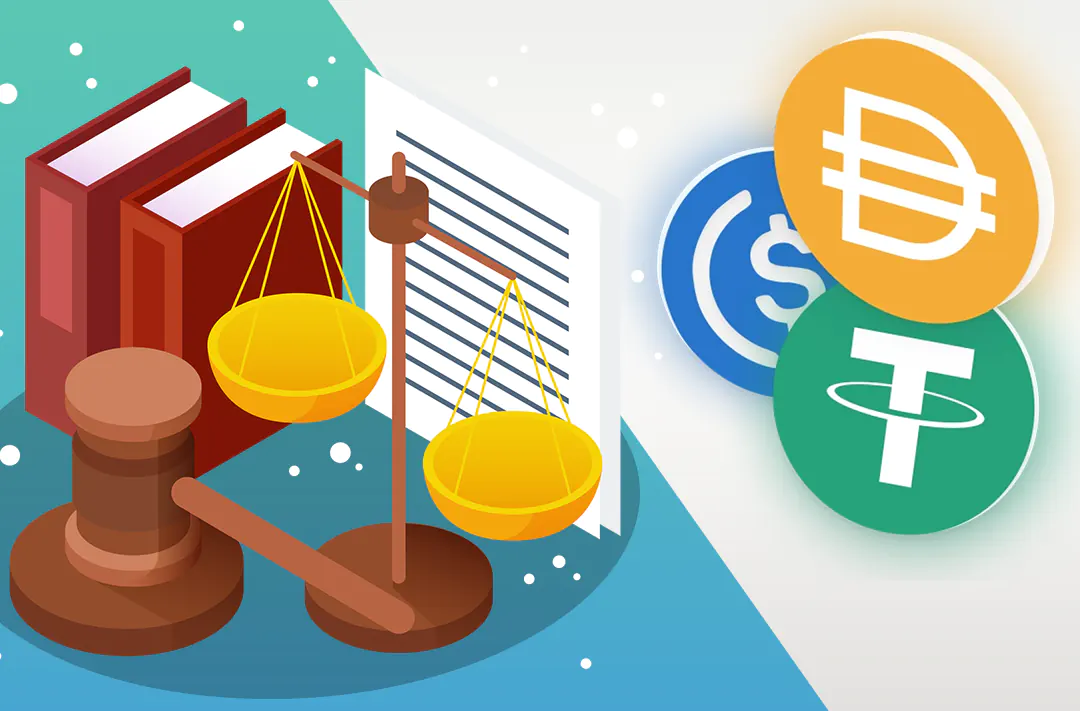
What’s new? The International Organization of Securities Commissions (IOSCO) and the Bank for International Settlements (BIS) have stated that stablecoins must meet the same security standards as traditional forms of payments. The organizations have adopted a proposal to regulate stablecoins, which had been under consideration since October 2021. According to Reuters, the new guidance includes rules on risk management, government regulation, and transparency standards.
What else did regulators add? IOSCO and BIS are sticking to the “same risk, same regulation” rule. This means that amid the falling crypto market and high risks of losing investments, stricter rules will be applied to stablecoins. Jon Cunliffe, chair of the BIS committee and deputy governor of the Bank of England, said:
“Recent developments in the cryptoasset market have again brought urgency for authorities to address the potential risks posed by cryptoassets, including stablecoins more broadly.”
Earlier, IOSCO published a roadmap for the development of standards to regulate the global crypto market. The first proposals are due to emerge by the end of 2023. The regulator’s main priorities will be investor protection, market integrity, and adapting the rules of securities regulation to the field of digital assets.
In May, following the collapse of the Terra ecosystem and its UST stablecoin, the US Securities and Exchange Commission (SEC) said that it could tighten regulation of the sector, and G7 countries called to accelerate the “development and implementation of consistent and comprehensive regulation” of cryptocurrencies.

Useful material?
 Telegram
  Twitter
 Incidents
In 104 minutes, the attacker emptied 1,404 addresses before validators halted the network and froze almost all of the loot.
Oct 19, 2026
Incidents
Developers warned of potential risks to bridges across the ecosystem and asked exchanges for assistance.
Jun 22, 2026
Incidents
The defendant helped move funds stolen through investment scams and earned at least $4 million for his role in the operation.
Jun 10, 2026
Incidents
The company is linking the incident to a compromised private key on a service wallet, rather than a smart contract exploit
May 22, 2026
Incidents
Following the incident, the project temporarily halted trading operations and node activity.
May 15, 2026
Incidents
The user spent weeks unsuccessfully trying to guess the password until Claude helped find an old wallet backup file
May 14, 2026
Cryptocurrency rates
-

Bitcoin
$80 498
BTC
+1.51%
-

Ethereum
$2 335.46
ETH
+2.02%
-

BNB Smart Chain
$739.89
BSC
+3%
-

Ripple
$1.42
XRP
+1.04%
-

TRON
$0.328981
TRX
+0.12%
-

Zcash
$1 211.1
ZEC
+7.56%
-

Dogecoin
$0.076936
DOGE
+2.52%
-

Cardano
$0.218269
ADA
+2.11%
-

Stellar XLM
$0.184461
XLM
+2.83%
-

Bitcoin Cash
$274.48
BCH
+2.25%