

American convicted of fraud loses court case over lost bitcoins
The decision is explained by the legality of the destruction of evidence and the untimeliness of the appeal.
11.11.2025 - 10:15
326
2 min
0
Key points:
- The US Court of Appeals upheld the dismissal of Michael Prime’s lawsuit, which sought $364 million in bitcoins allegedly destroyed by federal agents.
- The court found the destruction of the hard drive to be lawful, and noted that Prime filed his lawsuit too late and gave contradictory testimony.
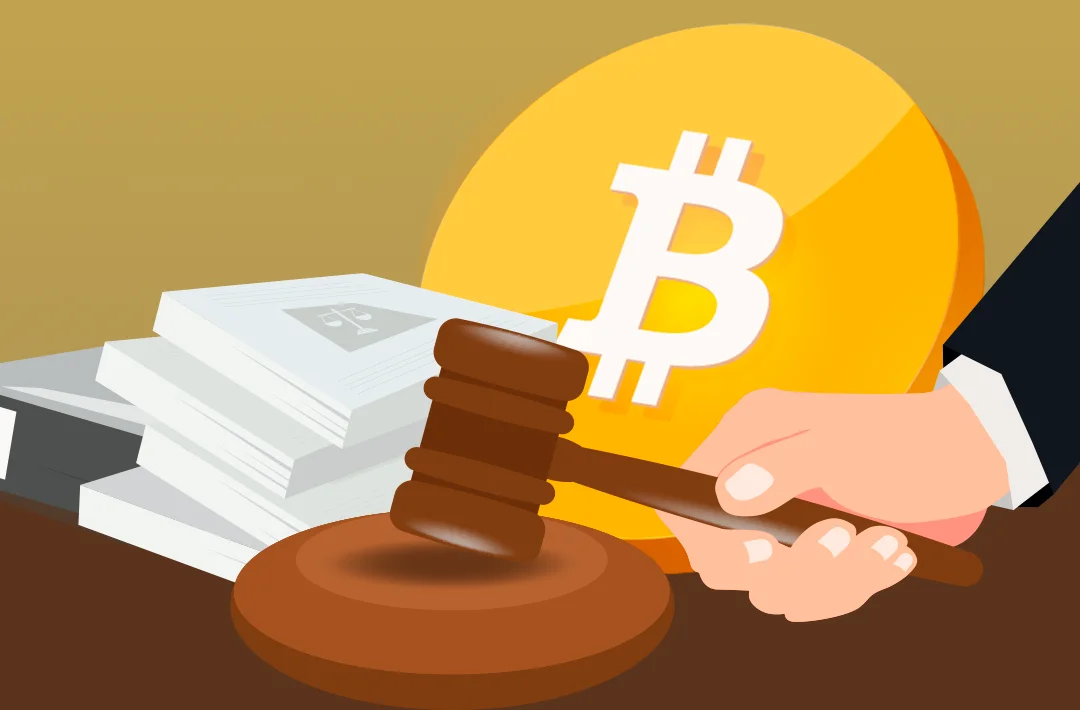
The US Court of Appeals for the Eleventh Circuit upheld the decision dismissing Michael Prime’s $364 million bitcoin lawsuit against the US government. Prime, convicted in 2019 of document forgery, identity theft, and illegal possession of firearms, claimed that federal agents destroyed a hard drive containing private keys to 3443 BTC.
Earlier, the district court ruled that the disposal of the drive was lawful and that the long delay in filing the lawsuit deprived him of his right to compensation. The court applied the doctrine of “laches,” which does not allow claims to be made after a long period of time without good cause.
The appeals judges agreed with this conclusion, noting that Prime had waited too long before demanding a refund and had repeatedly given contradictory testimony about his ownership of the cryptocurrency. The court’s decision states:
“Even if the bitcoin existed – and that’s a big if – awarding Prime an equitable remedy here would be inequitable. His delay in claiming a right to the Bitcoin and requesting its return bars his suit. We affirm the district court’s judgment.”
The court added that Prime’s contradictory statements and years of inaction put the government at a disadvantage.
During the investigation, Prime had fake credit cards, false documents, and electronic devices seized, indicating involvement in a large-scale fraud scheme. It was only more than four years later that Prime demanded the return of the orange external hard drive, claiming that it contained the keys to 3443 bitcoins, which are now valued at approximately $345 million.
By the time Prime made his request, the drive had already been destroyed as part of the standard procedure for disposing of physical evidence. This ruled out the possibility of restoring access to the cryptocurrency, the existence of which the court never received convincing confirmation.

Useful material?
 Telegram
  Twitter
 Incidents
Developers warned of potential risks to bridges across the ecosystem and asked exchanges for assistance.
Jun 22, 2026
Incidents
The defendant helped move funds stolen through investment scams and earned at least $4 million for his role in the operation.
Jun 10, 2026
Incidents
The company is linking the incident to a compromised private key on a service wallet, rather than a smart contract exploit
May 22, 2026
Incidents
Following the incident, the project temporarily halted trading operations and node activity.
May 15, 2026
Incidents
The user spent weeks unsuccessfully trying to guess the password until Claude helped find an old wallet backup file
May 14, 2026
Crypto regulations
Authorities are introducing mandatory registration for companies handling cross-border crypto transactions
May 8, 2026
Cryptocurrency rates
-

Bitcoin
$83 107
BTC
-3.44%
-

Ethereum
$2 564.16
ETH
-5.37%
-

BNB Smart Chain
$767.31
BSC
-2.05%
-

Ripple
$1.42
XRP
+1.04%
-

TRON
$0.334574
TRX
-0.3%
-

Zcash
$1 328.44
ZEC
-2.77%
-

Dogecoin
$0.088445
DOGE
-7.59%
-

Cardano
$0.218269
ADA
+2.11%
-

Stellar XLM
$0.184461
XLM
+2.83%
-

Bitcoin Cash
$300.74
BCH
-4.81%