

What to do If someone messages you about crypto: a practical checklist
Scammers often use a deceptive tactic: they let victims withdraw a small initial profit. After that, walking away becomes much harder.

11.02.2026
564
5 min
0
Many people have received messages about “great investment opportunities” on social media or messaging apps. But some scams are far more calculated. GetBlock AML Research outlines a common fraud model known in English as “pig butchering.”
The Core Idea
- The Hook: It starts with a random message — “Hi, is this Daniel?” — or a match on a dating app. The conversation slowly turns friendly. No one asks for money. They wait.
- The Bait: At some point, the person casually mentions they invest in crypto and make impressive profits on a specific platform (which is fake).
- The Trap: The victim invests a small amount. They see profits. They may even withdraw them. Trust is established.
- The Slaughter: The victim invests serious money. The platform suddenly freezes withdrawals. A “tax” or “verification fee” is required. The money disappears.
- Reality: There is no recovery. Anyone claiming they can “hack the funds back” is running the next scam.
- Congratulations — you’re the “pig.”
How It Usually Starts
It might look like this. February. You feel lonely. Or just bored. A message pops up on WhatsApp or Telegram:
“Hi, are we still on for coffee tomorrow?”
You reply: “Wrong number.” They answer:
“Oh, I’m so sorry! You’re very polite. I’m [attractive generic name], I run a fashion business in [city]. Nice to meet you.”
If the conversation continues, the grooming begins. On the other side is a well-organized operation, often run from closed compounds in Southeast Asia. They’re not after $500. They’re after retirement savings, home equity, and your confidence.
And smart people fall for it every day.
Why? Because no one asks for your seed phrase. No one demands money upfront. At first, they give you money.
Phase 1: “Fattening” (Love Bombing)
The scammer does not ask for money right away. In fact, they may refuse if you offer.
“We’re friends. Let’s not mix money yet.”
This stage can last weeks or even months. They ask about your day. They send photos (usually stolen). They complain about “strict parents” or “exhausting business trips.”
Meanwhile, they are building a psychological profile.
If you’re lonely — they become romantic. If you’re ambitious — they become a mentor. If you’re bored — they bring excitement.
Other Common Conversation Starters
Scammers use tested scripts designed to trigger empathy:
- Assistant mistake: “Is this the flower shop? My assistant saved the wrong number. I’m stressed — my mom has surgery tomorrow.”
- Shared hobby: “Are we still on for tennis at 10? Oh, wrong number? You seem nice — do you play?”
- Fate angle: “I don’t believe in coincidences. Maybe fate connected us.”
If you receive something like this, the safest move is to block the number immediately.
The Deepfake Upgrade
In the past, refusing a video call was a red flag. In 2026, that rule no longer works. Advanced groups now use AI face-swap tools in real time.
You may see an attractive man or woman moving naturally and even holding up a paper with your name.
One test: ask them to quickly turn their head or wave a hand across their face. AI filters often glitch during sudden movements. If the video lags at that exact moment, end the call.
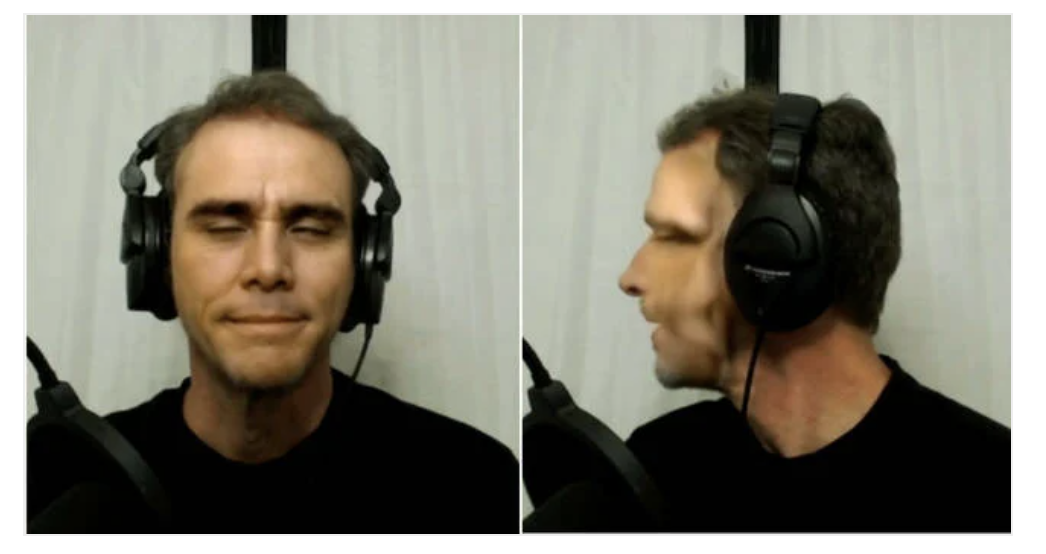
Deepfake image distortion when turning head
The “Soft Sell”
Once trust is built, they don’t push. They wait for you to ask.
During a normal conversation, they send a screenshot:
“Just made $5,000 while having lunch. The market is crazy today.”
You ask how. The answer is always vague:
- “My uncle has insider access.”
- “It’s an AI trading platform.”
- “I can show you, but be careful.”
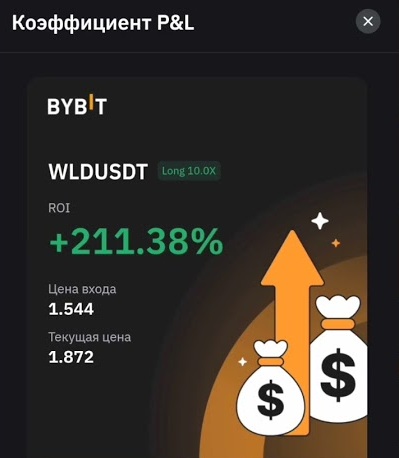
Fake screenshot showing profits on a crypto exchange
This is where the trap closes.
Phase 2: The Fake Exchange
You agree to try. They don’t directly ask for money. Instead, they send a link or suggest downloading a “special app.”
“It’s a decentralized mining platform.” “It’s a VIP Binance portal.”
The website looks legitimate: coinbase-vip.top or defi-mining-eth.net. It has charts, support chat, even invitation codes.
Red Flags
- Domain age: Check Whois. Often registered weeks ago.
- Wallet connection requests: Never connect your wallet. Malicious scripts can drain funds.
- MetaTrader trick: You install a real app, but connect to a fake broker server fully controlled by scammers. Prices can be manipulated at will.
The Trust Deposit
You send $500 USDT. The balance appears instantly. A day later, you see $100 profit. You withdraw $600 successfully.
That $100 was bait. It was the price of your trust.
Then comes the real deposit — savings, loans, retirement funds. The screen shows huge gains. In reality, your money was moved and laundered the moment you sent it.
Phase 3: The Freeze
When you try to withdraw:
ERROR: Account frozen. AML review (Code 2026).
Support says you must pay 20% of your balance as a “tax.” Your online “friend” confirms:
“It happened to me too. Just a formality.”
The numbers on the screen are fake entries in a database. But they convince you to send more.
Then more fees appear. Until nothing is left. The site disappears. The contact vanishes.
Why Smart People Pay
The sunk cost fallacy. Admitting loss hurts. Sending more money feels like a chance to fix it.
But the money is already gone.
The “Recovery” Scam
After public warnings, new “fund recovery experts” appear. They promise hacking services or blockchain reversal.
That’s another scam.
Blockchain transactions are irreversible. That’s the point.
The Hard Truth
Crypto transactions cannot be reversed. Paying upfront for “recovery services” means being scammed twice.
What You Can Actually Do
- Report the crime to law enforcement.
- Trace funds through legitimate blockchain analytics — without paying random “helpers.”
- Accept the loss and move forward. The money is gone. Your life is not.

Useful material?
 Telegram
  Twitter
 Research
One and the same cryptocurrency address received two completely opposite assessments from different analytics systems: from an ordinary gambling service to an extremely severe criminal offense. This story has become the starting point for a broader conversation about what the scientific standards of blockchain analysis should look like — and why errors in systems like these can shape the fates of real people.
Jul 1, 2026
Research
The blockchain has helped uncover the ties between cryptocurrency fundraising campaigns, exchangers in Syria, and intermediaries in several countries around the world. A telltale pattern has emerged in which the same addresses were used across multiple donation drives at once
Jun 24, 2026
Research
Four Iranian cryptocurrency exchanges accounted for roughly 78% of all digital asset volume tied to the country in 2025. They have now become the focal point of the largest U.S. sanctions campaign against Iran's cryptocurrency infrastructure.
Jun 5, 2026
Research
A financial system is already up and running on public blockchains, with loans, analogues of U.S. Treasuries, and automated capital markets. More than $551 billion has flowed through DeFi protocols — but most of that activity has nothing to do with the real economy and everything to do with the speculative build-up of risk.
May 29, 2026
Research
Around 97% of Chinese suppliers of chemicals used to make fentanyl accept payment in cryptocurrency. The volume of such transactions continues to grow alongside the global market for synthetic drugs
May 22, 2026
Research
For the first time, the new law makes blockchain analytics an officially mandatory tool of financial oversight in the United States. Authorities will also gain the power to restrict transactions with foreign crypto services tied to money-laundering risks.
May 20, 2026
Cryptocurrency rates
-

Bitcoin
$84 096
BTC
+1.36%
-

Ethereum
$2 469.86
ETH
+0.85%
-

BNB Smart Chain
$745.9
BSC
+0.69%
-

Ripple
$1.42
XRP
+1.04%
-

TRON
$0.330708
TRX
-0.12%
-

Zcash
$1 309.52
ZEC
+4.13%
-

Dogecoin
$0.081799
DOGE
-0.05%
-

Cardano
$0.218269
ADA
+2.11%
-

Stellar XLM
$0.184461
XLM
+2.83%
-

Bitcoin Cash
$285.71
BCH
+0.89%