

Почему Трамп помиловал экс-главу Binance? Есть простое объяснение
Американский лидер мог помиловать Чанпэна Чжао после того, как получил финансовую выгоду от сделок со структурами бывшего главы Binance
27.10.2025
750
6 мин
0
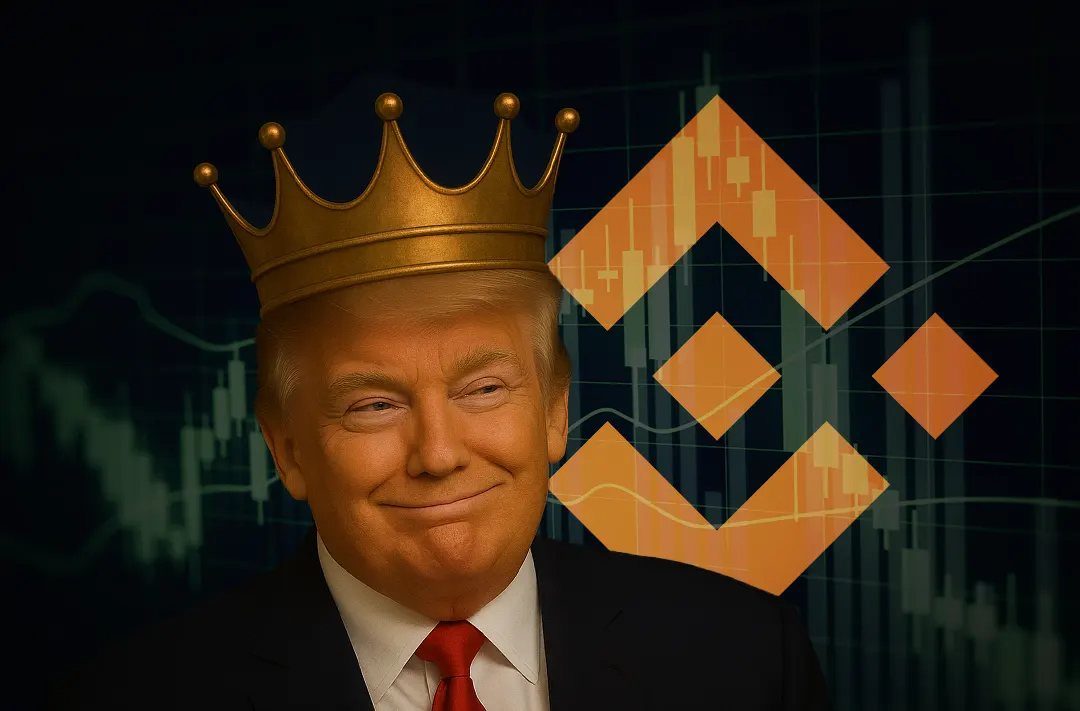
22 октября президент США Дональд Трамп помиловал бывшего главу криптобиржи Binance Чанпэна Чжао. GetBlock AML Research объясняет, почему американский лидер мог пойти на такой шаг.
Краткая справка
Чанпэн Чжао (CZ) — основатель криптобиржи Binance и богатейший представитель криптовалютной индустрии. В 2023 году он был вынужден покинуть должность генерального директора Binance в связи с уголовным преследованием в США. Чжао признал вину в отмывании денег, после чего провел четыре месяца в тюрьме и заплатил штраф в размере $50 млн. При этом Чжао разрешили сохранить управляющую долю в Binance.
В США помилование (pardon) — это акт президентского прощения за федеральное преступление. Помилование не означает, что человек признан невиновным, но оно может освободить его от наказания, восстановить гражданские права, ранее утраченные вследствие осуждения.
Помилование позволяет Чжао вернуться на должность генерального директора Binance.
Перед помилованием
- 13 марта 2025 года The Wall Street Journal сообщила: «Представители семьи президента Трампа вели переговоры о получении финансовой доли в американском подразделении криптобиржи Binance … шаг, который сделал бы Трампа бизнес-партнером компании, признавшей себя виновной в 2023 году в нарушении требований по борьбе с отмыванием денег. В то же время Чжао — который отбыл четыре месяца в тюрьме после признания вины по связанному обвинению — добивается от администрации Трампа предоставления ему помилования, сообщили люди, знакомые с ситуацией. Чжао, широко известный как CZ, остается крупнейшим акционером Binance.»
- 13 марта CZ категорически опроверг «сообщение о вложениях Трампа и кампании за помилование» со стороны WSJ.
- 1 мая 2025 года Зак Уиткофф, сооснователь WLFI и сын специального посланника Трампа на Ближнем Востоке Стива Уиткоффа, объявил, что поддерживаемый государством ОАЭ инвестиционный фонд MGX заключит сделку с Binance на $2 млрд, используя криптовалютные токены WLFI, что потенциально может приносить «десятки миллионов долларов в год дохода для семьи Трампа и ее партнеров в World Liberty».
- 22 мая WLFI Трампа объявила, что ее стейблкоин USD1, криптовалюта, привязанная к курсу доллара США, начал торговаться на Binance» — и что он «будет использоваться для обеспечения инвестиций в $2 млрд от поддерживаемого Абу-Даби фонда MGX в Binance».
- 22 октября 2025 года Трамп помиловал CZ.
Официальная позиция Трампа
Пресс-секретарь Белого дома Кэролайт Ливитт объяснила помилование Чжао тем, что Вашингтон восстанавливает ущерб, который был нанесен криптоиндустрии администрацией экс-президента США Джо Байдена.
«Чжао был привлечен к ответственности администрацией Байдена в ходе ее войны с криптовалютами. Война администрации Байдена с криптовалютами окончена» — пояснила Ливитт.
Все заметили
Откровенно корыстные цели помилования Трампом CZ не остались без внимания.
Профессор экономики Корнеллского университета Эсвар Прасад в комментарии New York Times назвал помилование Чжао «нарушением принципа верховенства закона». По его словам, для этого помилования было мало оснований, поскольку вина CZ была доказана и он в итоге признал правонарушение.
Сенатор-демократ от штата Массачусетс Элизабет Уоррен призвала Конгресс США расследовать факт коррупции в связи с помилованием Чжао. По ее мнению, Трамп получил финансовую выгоду от сделки с подконтрольными CZ структурами взамен на помилование.
Что сейчас происходит в США
На момент публикации статьи в США уже 27 день продолжается так называемый «шатдаун». Это ситуация, в которой американский Конгресс по каким-либо причинам не успевает утвердить новый проект финансирования федеральных агентств и правительственных структур до окончания старого проекта финансирования. В результате шатдауна федеральные агентства и правительственные структуры прекращают свою работу.
Текущий шатдаун уже стал вторым по продолжительности. Самым продолжительным шатдауном в истории США считается период с 22 декабря 2018 года по 25 января 2019 года, который длился 35 дней. Это произошло во время первого президентского срока Дональда Трампа.

Полезный материал?
Расследования
Один и тот же криптовалютный адрес получил две полностью противоположные оценки от разных аналитических систем: от обычного сервиса азартных игр до крайне тяжкого уголовного преступления. Эта история стала поводом для обсуждения того, какими должны быть научные стандарты анализа блокчейна и почему ошибки в подобных системах способны повлиять на судьбы людей
1 июл. 2026 г.
Расследования
Блокчейн помог выявить связи между криптовалютными сборами средств, обменниками в Сирии и посредниками в нескольких странах мира. Обнаружена характерная схема, при которой одни и те же адреса использовались сразу в нескольких кампаниях по сбору пожертвований
24 июн. 2026 г.
Расследования
Четыре иранские криптовалютные биржи обеспечивали около 78% всего объема цифровых активов, связанных со страной в 2025 году. Теперь они оказались в центре крупнейшей санкционной кампании США против криптовалютной инфраструктуры Ирана.
5 июн. 2026 г.
Расследования
На публичных блокчейнах уже работает финансовая система с кредитами, аналогами облигаций США и автоматическими рынками капитала. Через DeFi-протоколы прошло более $551 млрд, но большая часть этой активности связана не с экономикой, а со спекулятивным наращиванием рисков
29 мая 2026 г.
Расследования
Около 97% китайских поставщиков химических веществ для производства фентанила принимают оплату в криптовалюте. Объем таких операций продолжает расти вместе с глобальным рынком синтетических наркотиков
22 мая 2026 г.
Расследования
Новый закон впервые делает блокчейн-аналитику официальным обязательным инструментом финансового контроля в США. Власти также получат право ограничивать операции с иностранными криптосервисами, связанными с рисками отмывания денег
20 мая 2026 г.
Курсы криптовалют
-

Bitcoin
$81 293
BTC
-3.77%
-

Ethereum
$2 381.4
ETH
-4.39%
-

BNB Smart Chain
$730.18
BSC
-2.49%
-

Ripple
$1.42
XRP
+1.04%
-

TRON
$0.328182
TRX
-1%
-

Zcash
$1 211.78
ZEC
-9.95%
-

Dogecoin
$0.078497
DOGE
-5.27%
-

Cardano
$0.218269
ADA
+2.11%
-

Stellar XLM
$0.184461
XLM
+2.83%
-

Bitcoin Cash
$273.39
BCH
-4.98%