

Hack the ransomware: how the Lockbit group was hacked and 60 000 addresses were leaked
Anonymous from Prague published information about 75 partners of extortionists in the public domain

09.05.2025
831
3 min
0
Hackers have become such a powerful force in the crypto community that they are now a target for hackers of all kinds. The victim’s fate has not passed over the well-known in narrow circles ransomware group Lockbit. GetBlock AML Research publishes details of one of the biggest leaks about this group in its history.
Details of the incident
On May 7, Lockbit’s darknet (onion network) website stopped working and started displaying a strange message, “Don’t do crime. Crime is bad.” The author of the message signed himself as “xoxo from Prague.” He also posted the Lockbit website’s database for free access.
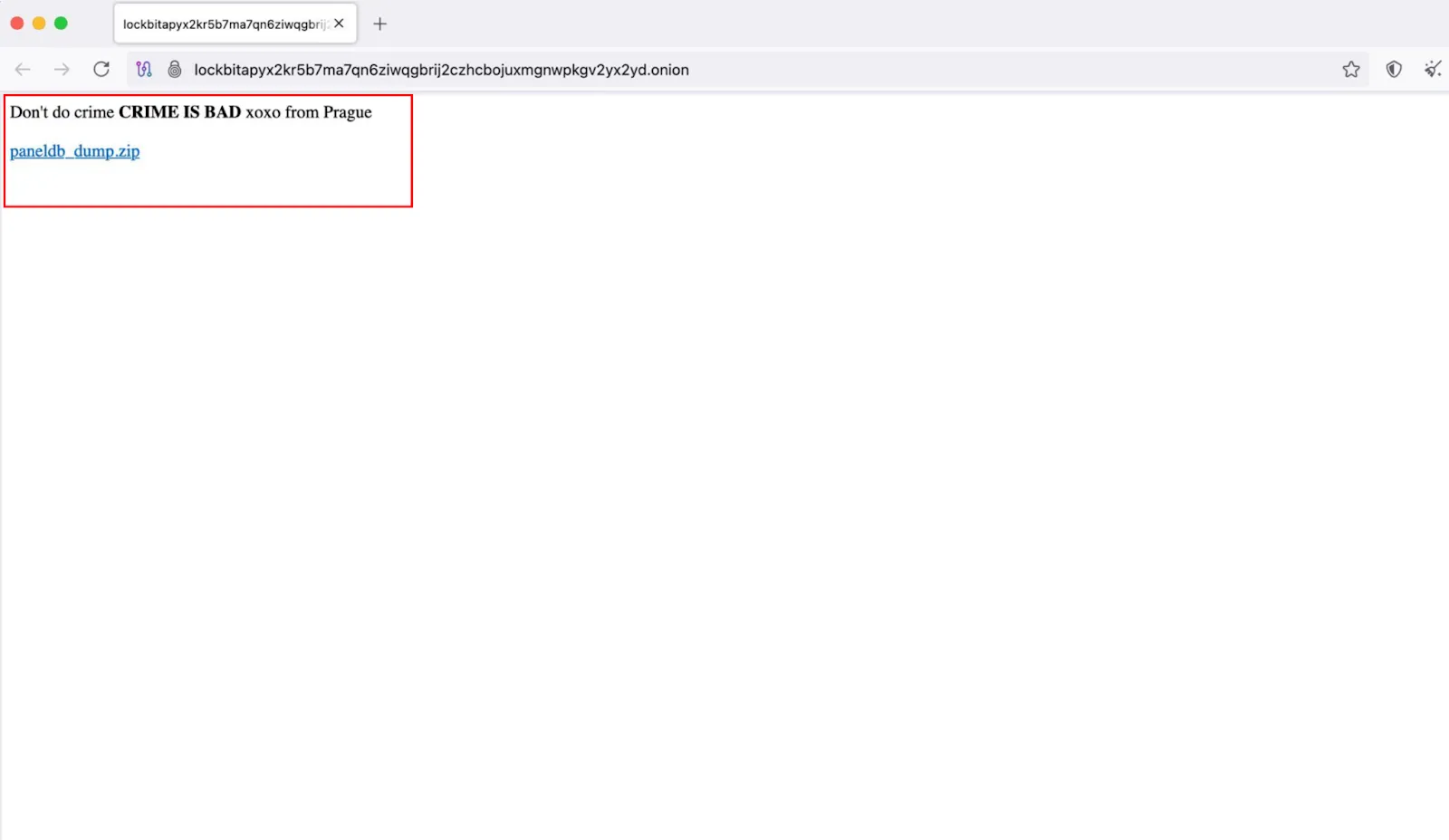
A message from a hacker on the Lockbit website
In addition to 60 000 bitcoin addresses, Lockbit partner accounts, correspondence with victims, and other sensitive information were leaked.
What you need to know about Lockbit
LockBit is a vast network of developers who create software for data encryption and subsequent ransomware. The group operates on a Ransomware-as-a-Service (RaaS) model. It provides access to its developments to partners who perform the implementation work and infect user devices. Funds received as a result of ransomware are divided between developers and partners in the ratio of 70%/30%.
LockBit’s most extensive attacks:
- In 2022, the Italian Internal Revenue Agency database was compromised, with data on millions of the country’s residents and their taxes encrypted;
- SickKids Children’s Hospital in Canada was also encrypted. The attackers later apologized and provided free software to decrypt the data;
- Lockbit has impacted more than 1000 companies worldwide over the past few years.
Despite the high level of secrecy, in 2024 several Lockbit members were apprehended as a result of Operation Kronos (a joint effort between the UK’s National Crime Agency, FBI, Europol, and Interpol). The remaining Lockbit members continued their illegal activities.
New data
A database leaked by a mysterious vigilante from Prague contains data on 75 Lockbit partners who worked with developers to conduct illegal activities and extort funds from victims of the encryption software.
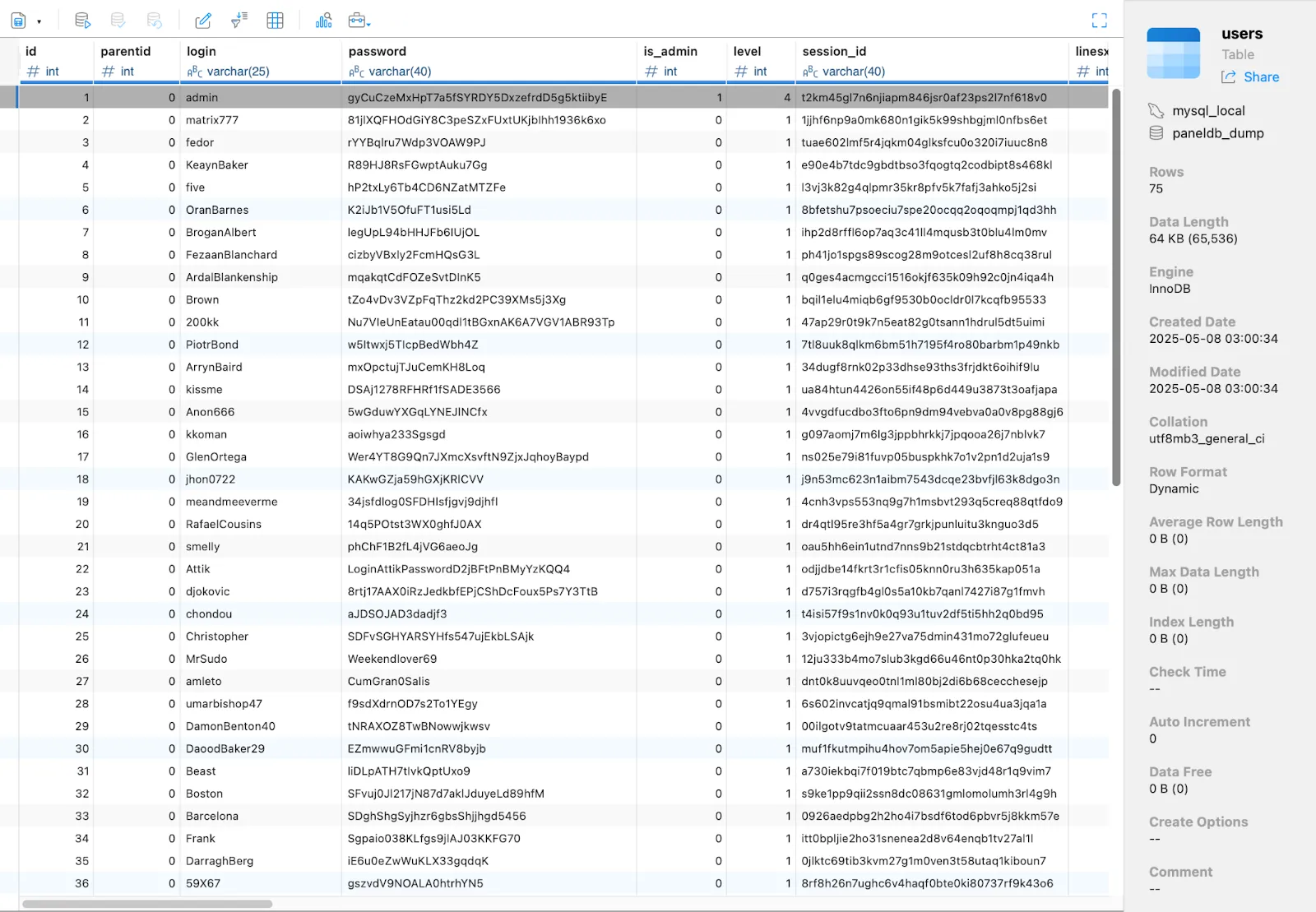
Lockbit partner accounts
Of the 60 000 Lockbit bitcoin addresses that ended up in the public domain, most of them have not yet been used by attackers. At the current stage, our team is analyzing Lockbit’s on-chain network. Initial research shows that the Lockbit network contains significantly more addresses.
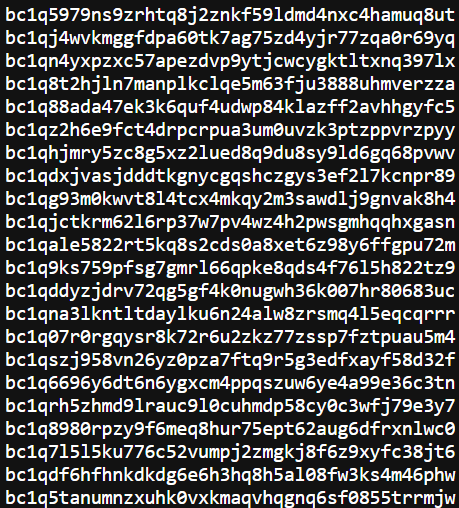
Some of the leaked Lockbit bitcoin addresses
Lockbit’s response
The ransomware group did not appreciate the performance of its colleague from Prague. Lockbit published an appeal to partners (in Russian), in which they said they were ready to pay for information about their hacker. Lockbit also said that only the website and its database were compromised, while decryptors (used to decrypt data) and data of the attacked companies were not affected. Lockbit promised to restore operations as soon as possible.
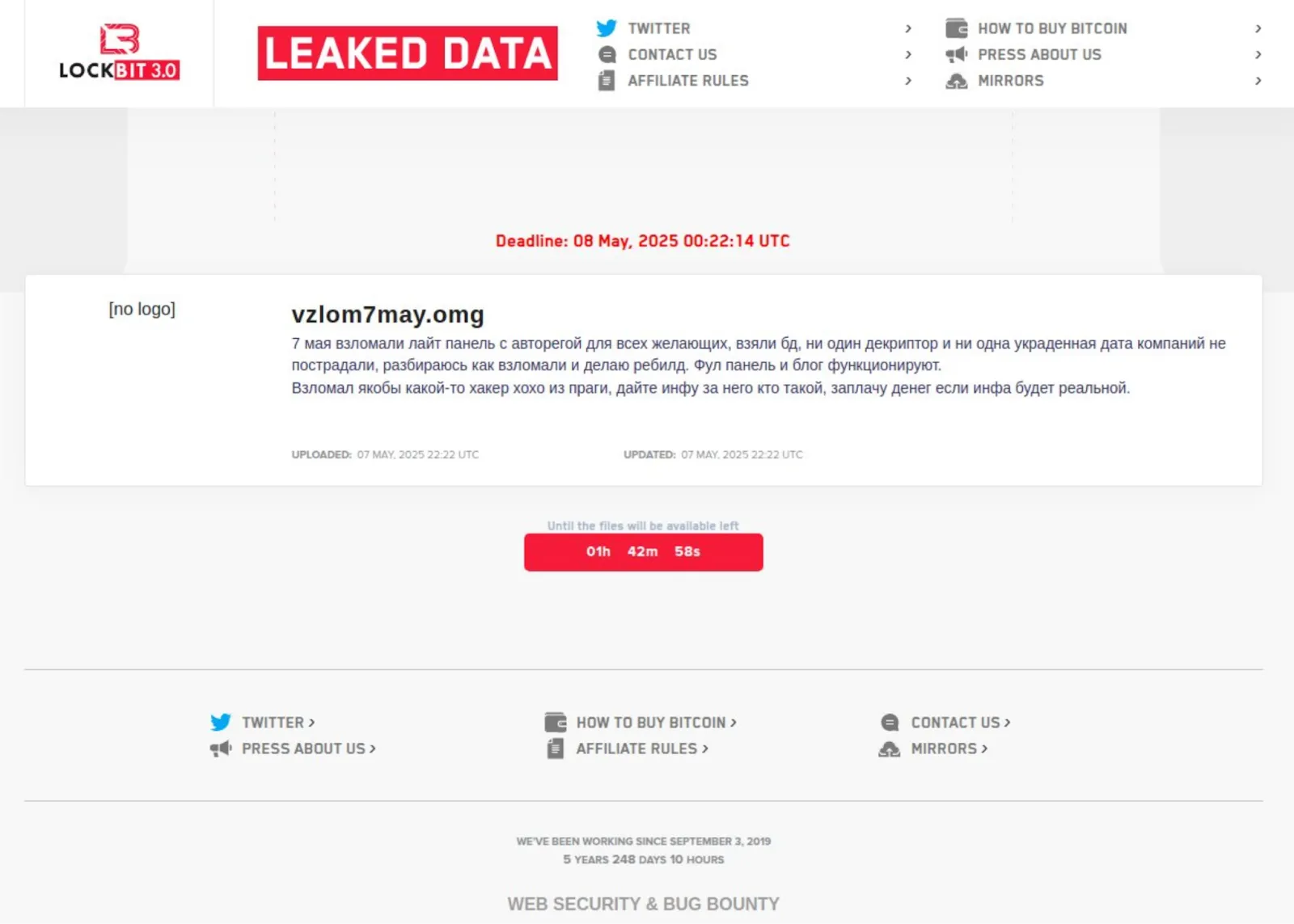
Lockbit’s statement on the hack

Useful material?
 Telegram
  Twitter
 Research
One and the same cryptocurrency address received two completely opposite assessments from different analytics systems: from an ordinary gambling service to an extremely severe criminal offense. This story has become the starting point for a broader conversation about what the scientific standards of blockchain analysis should look like — and why errors in systems like these can shape the fates of real people.
Jul 1, 2026
Research
The blockchain has helped uncover the ties between cryptocurrency fundraising campaigns, exchangers in Syria, and intermediaries in several countries around the world. A telltale pattern has emerged in which the same addresses were used across multiple donation drives at once
Jun 24, 2026
Research
Four Iranian cryptocurrency exchanges accounted for roughly 78% of all digital asset volume tied to the country in 2025. They have now become the focal point of the largest U.S. sanctions campaign against Iran's cryptocurrency infrastructure.
Jun 5, 2026
Research
A financial system is already up and running on public blockchains, with loans, analogues of U.S. Treasuries, and automated capital markets. More than $551 billion has flowed through DeFi protocols — but most of that activity has nothing to do with the real economy and everything to do with the speculative build-up of risk.
May 29, 2026
Research
Around 97% of Chinese suppliers of chemicals used to make fentanyl accept payment in cryptocurrency. The volume of such transactions continues to grow alongside the global market for synthetic drugs
May 22, 2026
Research
For the first time, the new law makes blockchain analytics an officially mandatory tool of financial oversight in the United States. Authorities will also gain the power to restrict transactions with foreign crypto services tied to money-laundering risks.
May 20, 2026
Cryptocurrency rates
-

Bitcoin
$82 544
BTC
+1.01%
-

Ethereum
$2 488.85
ETH
+0.51%
-

BNB Smart Chain
$743.39
BSC
+1.31%
-

Ripple
$1.42
XRP
+1.04%
-

TRON
$0.330917
TRX
-0.48%
-

Zcash
$1 214.82
ZEC
+2.27%
-

Dogecoin
$0.085728
DOGE
+1.4%
-

Cardano
$0.218269
ADA
+2.11%
-

Stellar XLM
$0.184461
XLM
+2.83%
-

Bitcoin Cash
$277.67
BCH
-0.04%