


The scammers’ corporation: how a global network of malicious applications is built
A large-scale network of malicious programs, browser extensions, and websites controlled by a group of scammers has been uncovered

08.08.2025
354
3 min
0
Scammers use every opportunity to maximize their profits. They form teams, delegate authority, and create entire networks of malicious projects. GetBlock AML Research reveals the structure of one of the largest fraudulent networks, which used malware, browser extensions, and fake websites to steal cryptocurrencies.
The bear’s lair
The recently discovered group of scammers has been named GreedyBear by cyber experts. It attracted increased attention by stealing digital assets on an industrial scale.
In a short period, the GreedyBear group created more than 500 malicious .exe files (viruses), over 150 fake browser extensions, and dozens of phishing sites that purported to provide cryptocurrency-related services. According to preliminary estimates, the scammers have already managed to steal assets worth approximately $1 million.
Fake crypto wallets
GreedyBear created more than 150 malicious extensions for the Firefox browser that mimicked popular crypto wallets such as MetaMask, TronLink, Exodus, and Rabby Wallet. The scammers devised a strategy that helped them successfully bypass the extension audit.
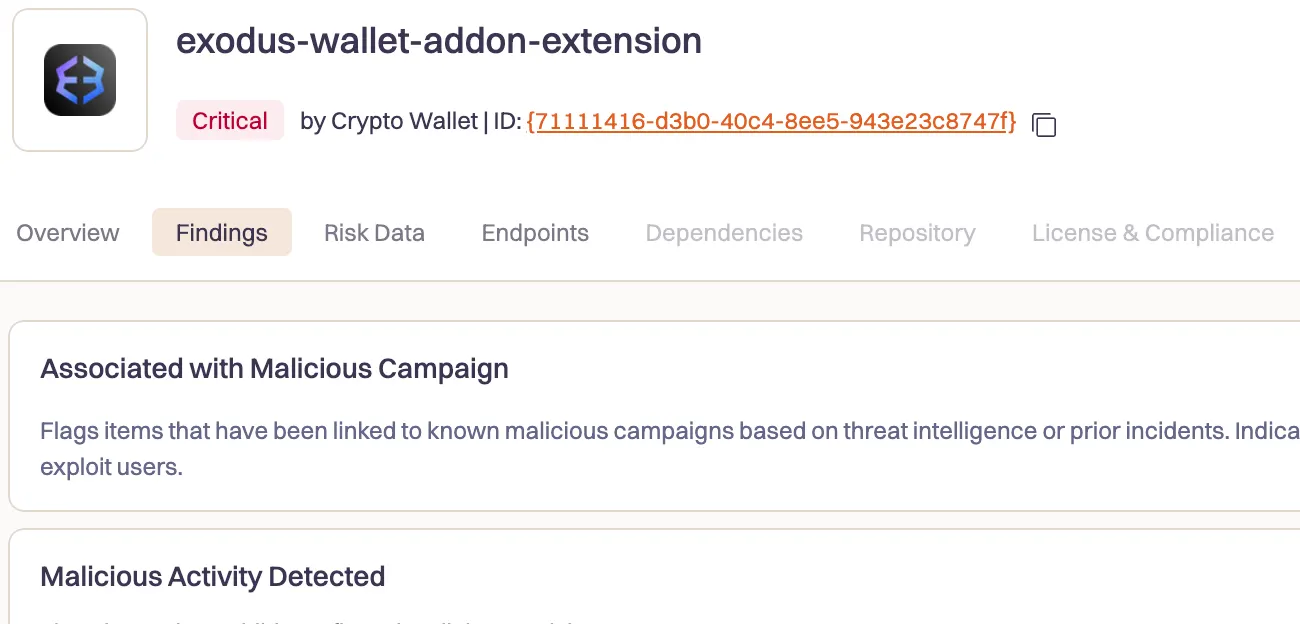
Malicious crypto wallet page
The attackers created new developer accounts in the Firefox app market. They then published 5-6 completely legitimate apps, such as extensions for downloading videos from YouTube or an extension for shortening links. After that, these extensions received hundreds of positive reviews from users. Only then did the scammers publish the fake crypto wallets.
Fake programs
GreedyBear was also involved in distributing Trojans disguised as software. The group created more than 500 malicious executable files that were embedded in hacked programs distributed via torrent trackers.
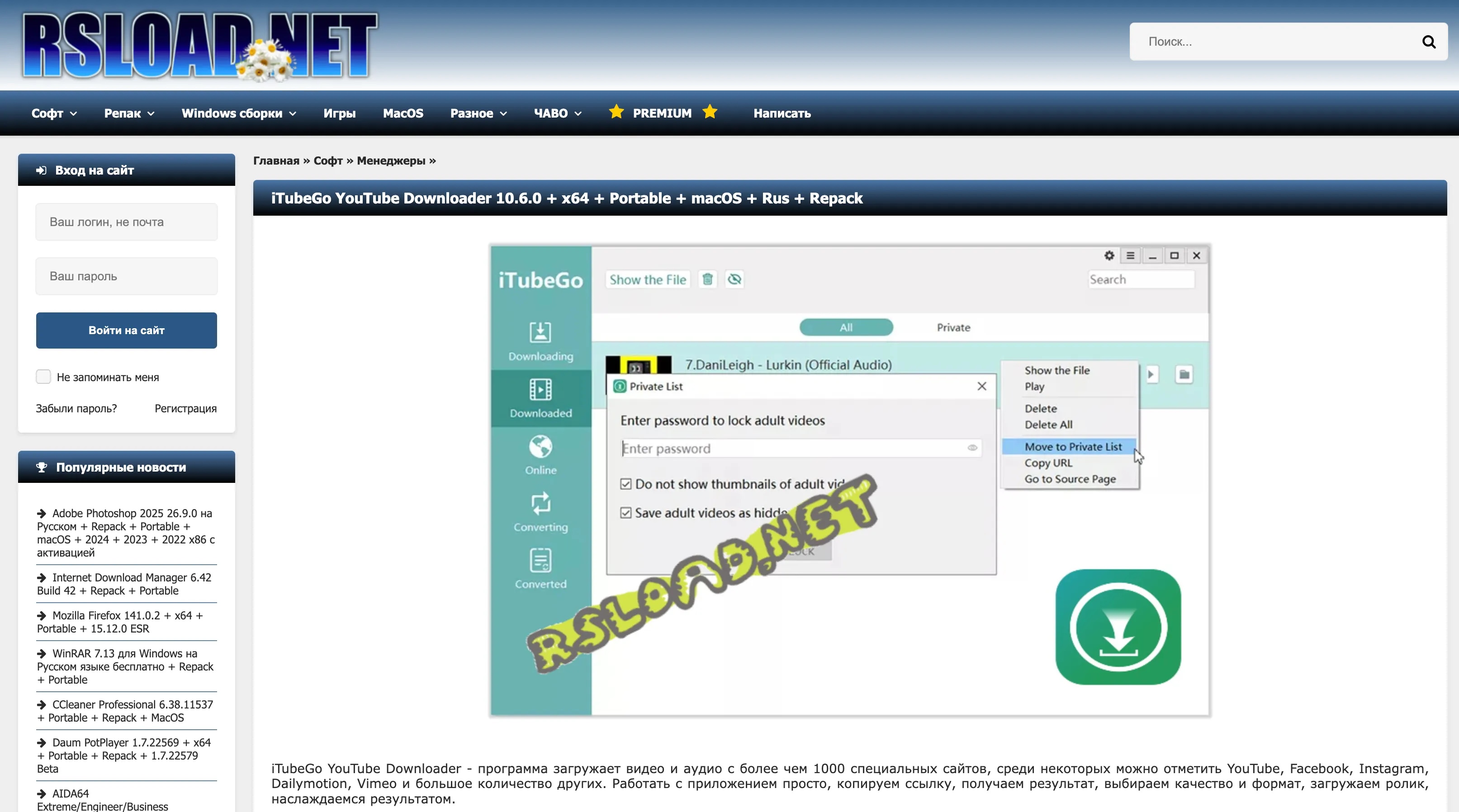
Malicious distribution on one of the torrent trackers
Fake services
GreedyBear operates in another area — stealing cryptocurrency through fake cryptocurrency services. The group creates websites that imitate various cryptocurrency-related services. For example, one such fraudulent website promoted a service for repairing broken Trezor crypto wallets.

Fraudulent website for repairing Trezor wallets
In addition to stealing cryptocurrency, malicious websites were also used to collect personal and payment data about potential victims.
What they have in common
All of the above-mentioned projects were organized using the same infrastructure. A single server, 185.208.156.66, was used to control Trojans, malicious Firefox extensions, and fake websites.
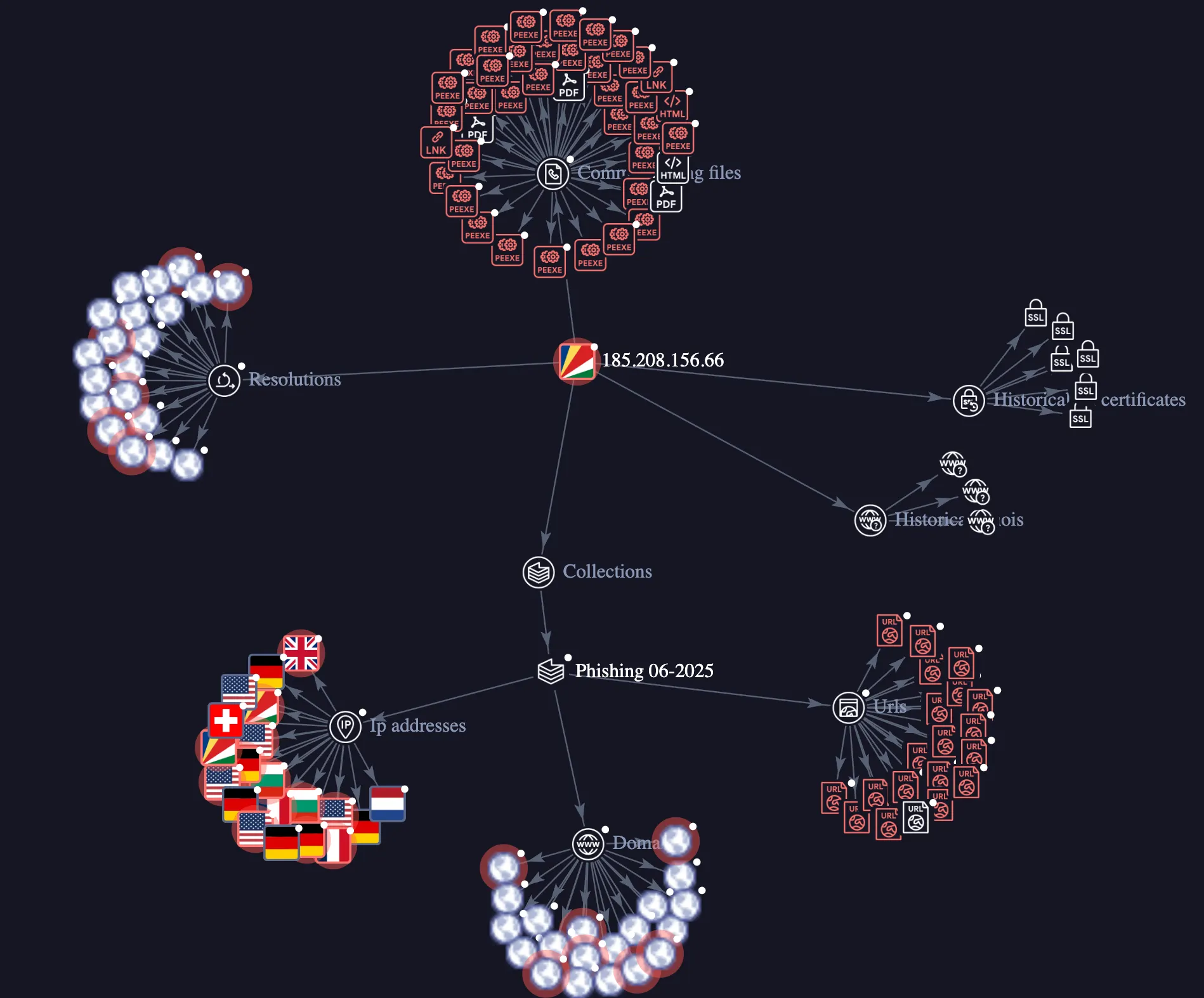
Graph of the server’s connections to all detected malicious elements
One server controlled all the malicious software and also collected data about victims and potential victims.

Useful material?
 Telegram
  Twitter
 Research
One and the same cryptocurrency address received two completely opposite assessments from different analytics systems: from an ordinary gambling service to an extremely severe criminal offense. This story has become the starting point for a broader conversation about what the scientific standards of blockchain analysis should look like — and why errors in systems like these can shape the fates of real people.
Jul 1, 2026
Research
The blockchain has helped uncover the ties between cryptocurrency fundraising campaigns, exchangers in Syria, and intermediaries in several countries around the world. A telltale pattern has emerged in which the same addresses were used across multiple donation drives at once
Jun 24, 2026
Research
Four Iranian cryptocurrency exchanges accounted for roughly 78% of all digital asset volume tied to the country in 2025. They have now become the focal point of the largest U.S. sanctions campaign against Iran's cryptocurrency infrastructure.
Jun 5, 2026
Research
A financial system is already up and running on public blockchains, with loans, analogues of U.S. Treasuries, and automated capital markets. More than $551 billion has flowed through DeFi protocols — but most of that activity has nothing to do with the real economy and everything to do with the speculative build-up of risk.
May 29, 2026
Research
Around 97% of Chinese suppliers of chemicals used to make fentanyl accept payment in cryptocurrency. The volume of such transactions continues to grow alongside the global market for synthetic drugs
May 22, 2026
Research
For the first time, the new law makes blockchain analytics an officially mandatory tool of financial oversight in the United States. Authorities will also gain the power to restrict transactions with foreign crypto services tied to money-laundering risks.
May 20, 2026
Cryptocurrency rates
-

Bitcoin
$84 545
BTC
-2.39%
-

Ethereum
$2 674.98
ETH
-2.31%
-

BNB Smart Chain
$766.36
BSC
-1.91%
-

Ripple
$1.42
XRP
+1.04%
-

TRON
$0.334257
TRX
-0.26%
-

Zcash
$1 314.51
ZEC
-4.16%
-

Dogecoin
$0.092995
DOGE
-3.47%
-

Cardano
$0.218269
ADA
+2.11%
-

Stellar XLM
$0.184461
XLM
+2.83%
-

Bitcoin Cash
$309.77
BCH
-1.37%